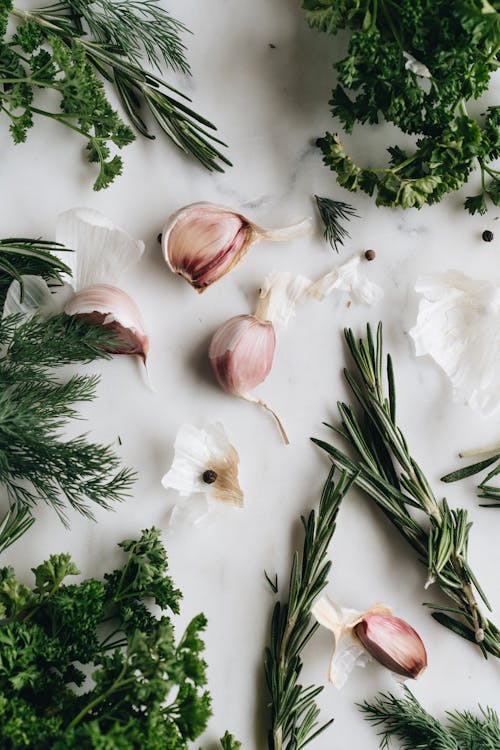
My First Encounter with Allium Sativum Garlic
I remember the moment I first pulled a bulb of garlic from the soil. It wasn’t anything dramatic, just a quiet morning in early summer, crouched low in a raised bed with the scent of damp earth all around me. But as I brushed off the dirt from the plump cloves of allium sativum garlic, I felt something primal stir inside me. There’s something deeply satisfying about harvesting a plant that’s as humble as it is powerful. It’s not just a seasoning or kitchen staple—it’s a piece of living history. Garlic has been cultivated for thousands of years, and holding that freshly unearthed bulb, I felt connected to generations of growers before me.
What struck me most in that first harvest was how garlic’s simplicity masked such a complex growth cycle. Unlike many vegetables that grow quickly and flamboyantly, allium sativum takes its time. It begins quietly in the fall or early winter, when the rest of the garden is winding down. You tuck each clove into the earth like a secret, pointy end up, and then wait. It sits under the soil through cold rains and even frost, drawing strength and size from the deep quiet of winter. Come spring, those green shoots begin to rise, and by early summer, they are tall and fragrant, ready for lifting. Growing garlic is an act of faith and patience—and one I’ve come to cherish more each year.
Beyond the garden, garlic quickly became a cornerstone in my kitchen. There’s a ritual to peeling each clove, slicing it thin or crushing it into a paste, releasing that unmistakable aroma that means something good is about to happen. Whether I’m making a rustic pasta, a winter stew, or simply toasting bread with olive oil and garlic rubbed in, I always feel like I’m engaging with something elemental. allium sativum garlic isn’t just an ingredient—it’s a language. One that speaks of roots, of healing, of sustenance, and most of all, of home.

Cultivating Garlic with Intention and Rhythm
Over time, I learned that cultivating allium sativum garlic is not just about technique—it’s about tuning into nature’s tempo. Garlic doesn’t respond well to shortcuts or haste. It needs rich, well-drained soil and a spot with full sun, but beyond that, it needs your presence. You learn to notice the signals it gives, the way the green shoots twist just slightly when they need more water, or how the scapes begin to curl in early summer, inviting you to clip them for stir-fries and pestos. It’s not a plant you fuss over constantly, but one you check in on—like a friend you don’t need to talk to every day to stay close.
One key lesson I learned early on was about timing. Planting in late fall, just before the first hard frost, gives the garlic a head start. The cloves develop strong roots before winter hits but stay dormant above ground. This slow awakening process ensures large, healthy bulbs by summer. When spring arrives, I give the plants a gentle feed of compost tea and keep the area weed-free by hand, never with a hoe that might disturb their shallow roots. And when the tops begin to yellow and flop—usually by July—it’s time. I wait for a dry stretch of weather, then lift them gently with a fork and lay them out to cure, somewhere shady and breezy.
Curing garlic is a meditative process. For weeks, the bulbs dry on racks or hang in bunches, their skins turning papery, their flavors deepening. It’s during this phase that I feel most connected to the seasonal cycle. There’s no rush—just slow transformation. And when the time comes to trim the stalks and store them, I always save the best bulbs for planting. It’s a beautiful loop, really: grow, harvest, cure, savor, and plant again. This rhythm gives structure not only to my gardening year but to my whole mindset. It reminds me to trust the process, to invest in the long-term, and to find joy in quiet progress.
The Healing and Cultural Legacy of Garlic
The deeper I went into growing allium sativum garlic, the more I began to appreciate its legacy beyond flavor. Garlic is revered across cultures—not just for its culinary uses, but for its medicinal properties and symbolic weight. In traditional herbal medicine, garlic is a natural antibiotic, used to boost immunity, fight infections, and even regulate blood pressure. I’ve come to keep a jar of garlic-infused honey in my kitchen—not just as a home remedy, but as a tribute to this plant’s ancient healing power. It feels like a gentle rebellion against modern overprescription, a reminder that some of our best medicine still grows in the ground.
Beyond health, garlic is steeped in cultural significance. In folklore, it’s been used to ward off evil spirits, protect homes, and bring blessings. I’ve seen braided strings of garlic hanging over kitchen doors in Mediterranean villages, more than just storage solutions—they’re tokens of gratitude, symbols of home protection. In some cultures, garlic is planted during certain moon phases to ensure a strong harvest. These stories, though rooted in tradition, add layers of meaning to the act of growing garlic. When I plant a clove, I’m not just sowing food—I’m participating in a global, time-honored ritual.
And then there’s the community aspect. Sharing garlic has become one of my favorite forms of generosity. Whether it’s a head of my homegrown softneck garlic given to a neighbor or a bunch of scapes tied with twine for a friend, these small gestures carry so much warmth. Garlic might be humble, but it’s powerful—quietly potent, deeply nourishing, and always ready to bring people together. In the garden, on the plate, and through the stories we tell, allium sativum garlic continues to teach me what it means to grow with heart.