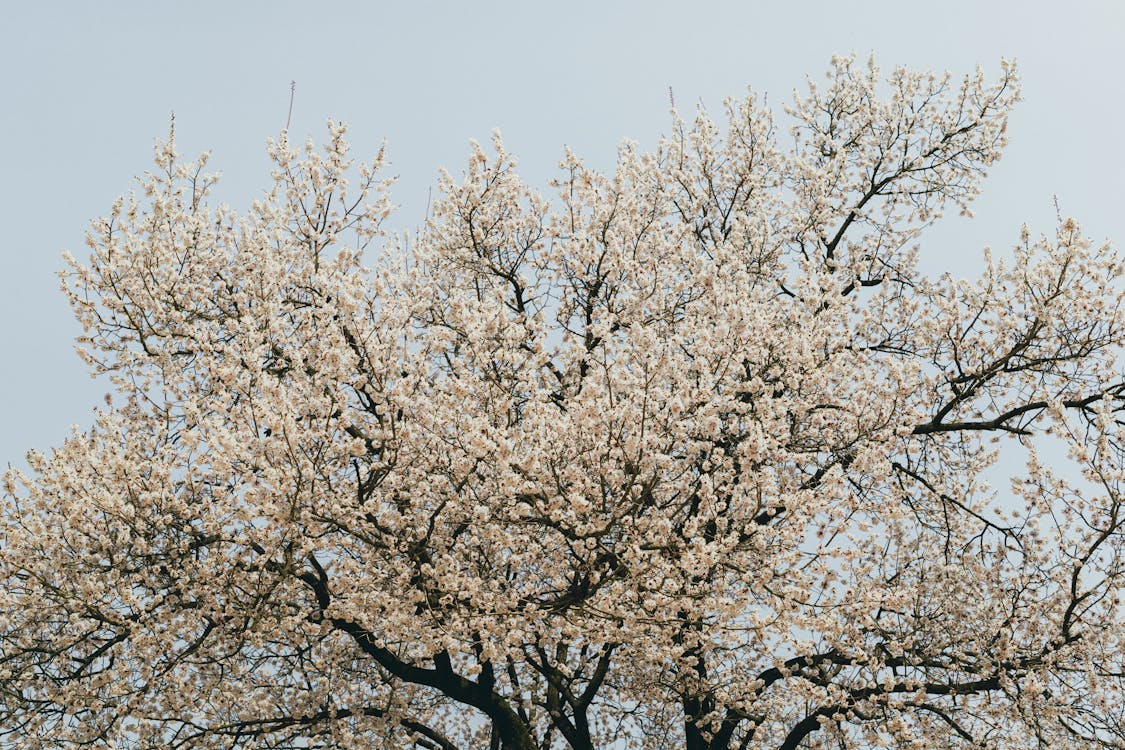
The Mysterious Beauty of Fig Tree Blossoms
The first time I heard someone mention fig tree blossoms, I was puzzled. I had been growing fig trees for a few seasons and had never once seen them flower. That curiosity led me down a fascinating rabbit hole of discovery—because as it turns out, fig trees don’t blossom in the conventional sense.
Unlike most fruit trees that put on a showy springtime display of petals and pollen, the fig tree does something far more discreet and mysterious. Its blossoms are actually hidden inside what we commonly refer to as the fruit. Yes, the fig is not technically a fruit in the traditional botanical sense—it’s a syconium, a hollow structure lined with tiny inverted flowers. When you bite into a fig, you’re tasting those very blossoms. Isn’t that wild?
This hidden floral process gave me a new appreciation for the fig tree’s quiet brilliance. There’s something poetic about a plant that carries its beauty inward, that doesn’t feel the need to parade its blossoms but instead keeps them sheltered and protected.
It made me think about the way nature has its own way of safeguarding the delicate. Inside that bulbous green or purple skin are dozens, sometimes hundreds, of minuscule blooms—each one playing a role in the creation of the fig we know and love. The more I learned, the more I started checking my trees differently, marveling not just at the fruits but at the secret life they held within.
And then came the wasps. Fig trees and fig wasps have a symbiotic relationship that borders on the mystical. Certain varieties of figs rely on tiny fig wasps to enter the syconium, pollinate the interior flowers, and complete the cycle of life. It’s a process that’s existed for millions of years, perfectly orchestrated and almost entirely hidden from view.
Not all figs require this pollination to produce fruit—many common varieties are parthenocarpic—but learning about this ancient alliance made me feel like I had stumbled into one of nature’s best-kept secrets. Fig tree blossoms aren’t something you see—they’re something you experience.

Growing with the Fig Tree: A Lesson in Patience
The fig tree doesn’t just teach you about blossoms—it teaches you about time. When I planted my first fig sapling, I imagined a rapid transformation: roots in, water daily, and a bounty of fruit within the year. But the fig had other plans. It grew slowly, stretching its limbs like a sleepy cat in the sun, unconcerned with deadlines.
And then one spring, tiny green bulbs began forming along the branches. They weren’t dramatic or colorful, but I recognized them for what they were—the start of something remarkable. Beneath that humble exterior, those little nodes were brimming with floral activity.
One thing I’ve come to love about fig trees is their quiet consistency. They don’t demand much once they’re established—just good drainage, warmth, and a bit of pruning to keep their energy focused. In return, they offer shade, beauty, and eventually, those lusciously sweet fruits.
Watching a fig tree move through its seasonal stages is like watching an old friend grow wiser. You notice the rhythm, the way the leaves unfurl like hands opening to the sky, the way the fruit swells and darkens as summer deepens. There’s no flashy moment, no grand blooming event—but there is this gentle sense of becoming, of unfolding.
That unfolding is mirrored in the care process too. I’ve learned to observe, to respond, rather than to control. When I see new shoots, I check for pests. When the lower leaves yellow, I adjust the watering. It’s a partnership, one where the tree quietly guides you toward attentiveness and balance. And each time I harvest a ripe fig, I think about the blossoms inside—tiny, unseen, but vital. It reminds me that not everything beautiful needs to be visible. Sometimes, the most meaningful transformations happen quietly, in places no one else can see.
Culinary Connections to the Hidden Flower
When I slice open a ripe fig and see its jewel-toned interior, I always pause. The soft flesh, the crunch of tiny seeds, the honeyed aroma—it’s a sensory poem. But knowing that I’m actually tasting the flower itself adds a whole new layer of reverence.
Fig tree blossoms, hidden though they may be, have given us one of the most treasured fruits in culinary history. From ancient Greek tables to modern farm-to-table restaurants, figs have always held a special place. They represent abundance, sensuality, and the sweetness of patience. And it all starts with those inward-facing blooms.
I’ve experimented with figs in countless dishes—grilled with goat cheese, wrapped in prosciutto, baked into tarts, or simply drizzled with honey. Each preparation feels like a tribute to the secret labor of the tree. Even the fig leaf itself, with its complex aroma somewhere between coconut and green tea, has made its way into my kitchen.
I once steeped fig leaves in cream to make ice cream, and the result was hauntingly fragrant, like tasting sunlight filtered through trees. Every part of the fig tree seems infused with something ancient and sacred.
And then there’s the joy of sharing. Fig season is short, and when it hits, I become a generous host. Friends and neighbors receive small baskets of figs, sometimes still warm from the sun. We talk about the texture, the flavor, the curious absence of a flower. I always end up explaining the secret of the fig tree blossoms, and without fail, it sparks wonder. There’s something deeply human about discovering beauty in the unseen. In a world that’s obsessed with surface and spectacle, the fig tree offers a quiet lesson: what’s hidden is often what nourishes us most.