Whispers of Empire: Unveiling the Allure of Colonial Minimalism
The scent of aged teakwood and polished brass still lingers in my memory, a phantom echo from a recent trip to a restored colonial-era home. It wasn’t the opulence of gilded mirrors or heavy velvet drapes that captivated me, but something far more subtle, far more intriguing: colonial minimalism. It was a style born from necessity, tempered by elegance, and imbued with a quiet strength that resonated deeply within me. This wasn’t the flamboyant excess often associated with colonial history; this was a different story entirely.
This understated elegance, this careful curation of space and object, is what truly defines colonial minimalism. It’s a style that speaks volumes without shouting, a whisper of empire echoing through the ages. It’s about understanding the history behind the design and appreciating the intentional simplicity it represents. It’s a fascinating paradox, a blend of restraint and refined sophistication. This article will explore the nuances of this captivating aesthetic, delving into its origins, its key characteristics, and its enduring appeal in contemporary design.
The Genesis of Restraint: A History Forged in Practicality
Colonial minimalism wasn’t born from a desire for artistic expression in the way some design movements are. Instead, it emerged from the practical realities of life in far-flung colonies. Space was often limited in these outposts. Transporting furniture and decorative items across oceans was expensive and time-consuming.
This scarcity fostered a culture of practicality and efficiency. Furniture needed to be functional, durable, and easily transportable. Ornamentation was kept to a minimum, focusing on clean lines and simple forms. It wasn’t a rejection of beauty, but a refinement of it, a distillation of essence. The elegance arose from the inherent quality of the materials and the thoughtful craftsmanship. Every piece served a purpose; there was no room for superfluous decoration.
The climate also played a significant role. In hot, humid climates, heavy drapes and ornate furniture would have been impractical. Light, airy spaces were preferred, allowing for better ventilation and comfort. This led to the adoption of lighter fabrics, open floor plans, and furniture made from materials that could withstand the elements. The design wasn’t about showing off wealth; it was about creating functional and comfortable living spaces in challenging conditions.
This practicality, born from necessity, became a defining characteristic of the style. The beauty lay not in extravagant displays, but in the understated elegance of well-crafted, functional pieces. The simplicity was not a lack of sophistication, but a conscious choice reflecting the values of practicality and resilience. It was a style forged in the crucible of experience, a testament to human adaptability and ingenuity.
The Defining Elements: Light, Space, and Natural Materials
Colonial minimalism is characterized by its emphasis on light, space, and the use of natural materials. Large windows are a hallmark of the style, flooding rooms with natural light and creating a sense of openness and airiness. This contrasts sharply with the darker, more enclosed spaces often associated with other historical styles.
Walls are typically painted in light, neutral colors, further enhancing the feeling of spaciousness. This light and airy palette also reflects the colonial preference for practicality and functionality. Darker colors would have absorbed more heat in hot climates, making the spaces less comfortable. The emphasis is on creating a calm, serene atmosphere.
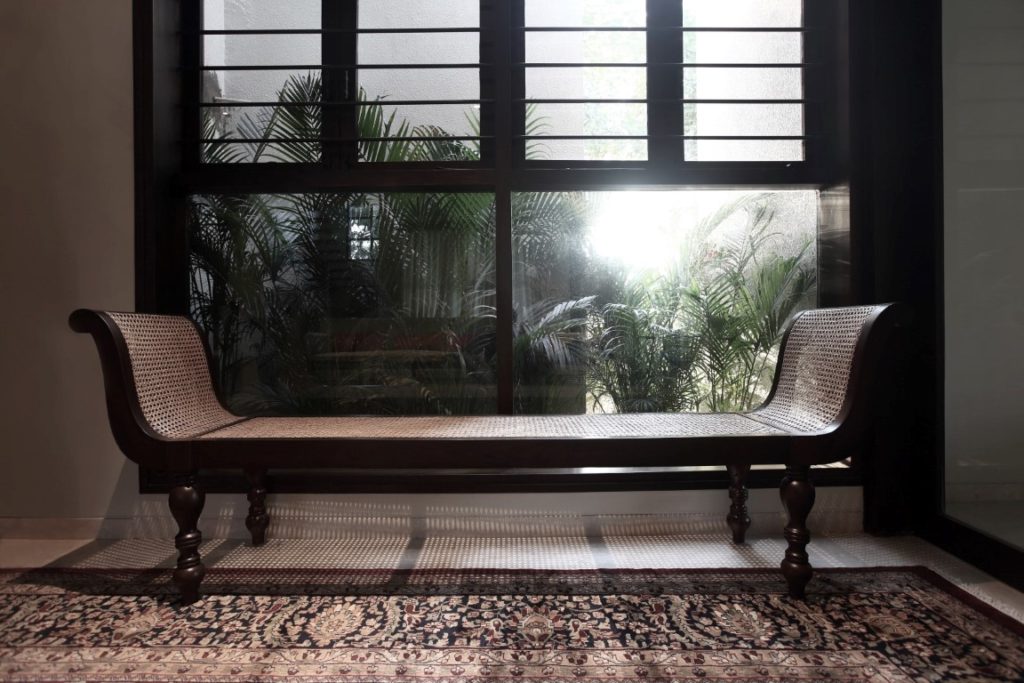
Natural materials play a central role in colonial minimalism. Teakwood, rattan, bamboo, and other locally sourced materials were frequently used in furniture and architectural details. These materials not only possess inherent beauty but also are durable and well-suited to the colonial environment. The use of these natural materials adds a layer of warmth and texture to the minimalist aesthetic.
This thoughtful use of materials contributes to the overall sense of understated elegance. The beauty lies in the inherent quality of the materials themselves, rather than in excessive ornamentation or embellishment. The focus is on simplicity, functionality, and the creation of a harmonious living space. The result is a style that is both timeless and effortlessly chic.
The Color Palette: A Symphony of Neutrals
The color palette of colonial minimalism is typically muted and understated. Think creamy whites, soft beiges, pale greens, and subtle blues. These colors reflect the natural environment and create a sense of calm and serenity. They also work beautifully with the natural materials commonly used in the style.
Bold colors are largely avoided. The focus is on creating a tranquil and harmonious atmosphere, rather than making a bold statement. This restrained palette enhances the feeling of spaciousness and light, making the rooms feel larger and more airy. It’s a sophisticated approach to color, prioritizing subtlety over vibrancy.
The use of these neutral tones allows the natural beauty of the materials to take center stage. The wood grains, the texture of the rattan, and the subtle variations in the paint all contribute to the overall aesthetic. It’s a quiet elegance, a refined simplicity that speaks volumes without shouting. The color palette is an integral part of the overall minimalist approach.
This deliberate restraint in color choice is not a sign of blandness, but a testament to the sophisticated understanding of how color can impact mood and atmosphere. The subtlety of the palette allows the eye to rest, creating a sense of peace and tranquility within the space. The colors serve as a quiet backdrop, allowing the furniture and architectural details to shine.
Furniture and Furnishings: Function Meets Elegance
Colonial minimalist furniture is characterized by its clean lines, simple forms, and functional design. Pieces are typically made from natural materials like teak, rattan, or bamboo, and often feature simple, understated details. Ornamentation is kept to a minimum, focusing instead on the inherent beauty of the materials and the craftsmanship.
The furniture is designed to be both beautiful and practical. Pieces are often multi-functional, serving multiple purposes. A simple wooden chest might serve as both storage and a seating area. A writing desk could also double as a vanity. This practicality reflects the colonial emphasis on efficiency and resourcefulness.
Comfort is also a key consideration. While the furniture is often simple in design, it is designed to be comfortable and inviting. The focus is on creating a space that is both stylish and functional, a place where one can relax and unwind. The furniture is an integral part of the overall minimalist aesthetic. It’s a perfect blend of form and function.
This thoughtful approach to furniture selection and placement ensures that every piece contributes to the overall harmony of the space. There’s a sense of intentionality in each choice, reflecting the values of simplicity, functionality, and understated elegance that define colonial minimalism. The furniture is not just decorative; it is an integral part of the living experience.
The Enduring Appeal: A Timeless Aesthetic
The enduring appeal of colonial minimalism lies in its timeless elegance and its ability to adapt to contemporary living. The style’s emphasis on simplicity, functionality, and the use of natural materials resonates with modern sensibilities. It’s a style that feels both classic and contemporary, effortlessly blending old-world charm with modern minimalism.
In a world of ever-increasing consumerism, colonial minimalism offers a refreshing alternative. It’s a style that encourages us to be mindful of our possessions, to choose quality over quantity, and to appreciate the beauty of simplicity. It’s a style that promotes a sense of calm and serenity, a welcome antidote to the chaos of modern life.
The style’s adaptability is another key factor in its enduring appeal. It can be adapted to various settings and styles, from traditional to modern. The core principles of light, space, natural materials, and simple forms can be incorporated into a variety of design schemes, creating a unique and personalized aesthetic. It’s a style that allows for individuality and creativity.
Colonial minimalism isn’t just a fleeting trend; it’s a timeless aesthetic that continues to inspire and captivate. Its emphasis on quality, functionality, and understated elegance resonates with our modern desire for simplicity and sustainability. It’s a style that speaks to our souls, reminding us of the beauty of restraint and the power of thoughtful design. It’s a whisper of empire, a legacy of elegance that endures.