What Will Our Homes Tell Us About 2025’s Home Decor Trends?
We’re bombarded daily with predictions. What’s the next big thing? What will be trending? But what about our homes? What do home decor trends for 2025 really tell us about ourselves, our anxieties, and our hopes for the future? It’s more than just paint colors and furniture styles; it’s a reflection of a shifting global landscape, economic uncertainty, and evolving cultural values. Let’s dive in.
The Anxiety of Abundance: Minimalism’s Continued Reign
For years, minimalism has been a growing trend, but in 2025, it won’t just be a style choice; it’ll be a necessity for many. Global economic instability and a growing awareness of environmental concerns are fueling a move away from excessive consumption. Think less about "more is more" and more about "less is more, intentionally."
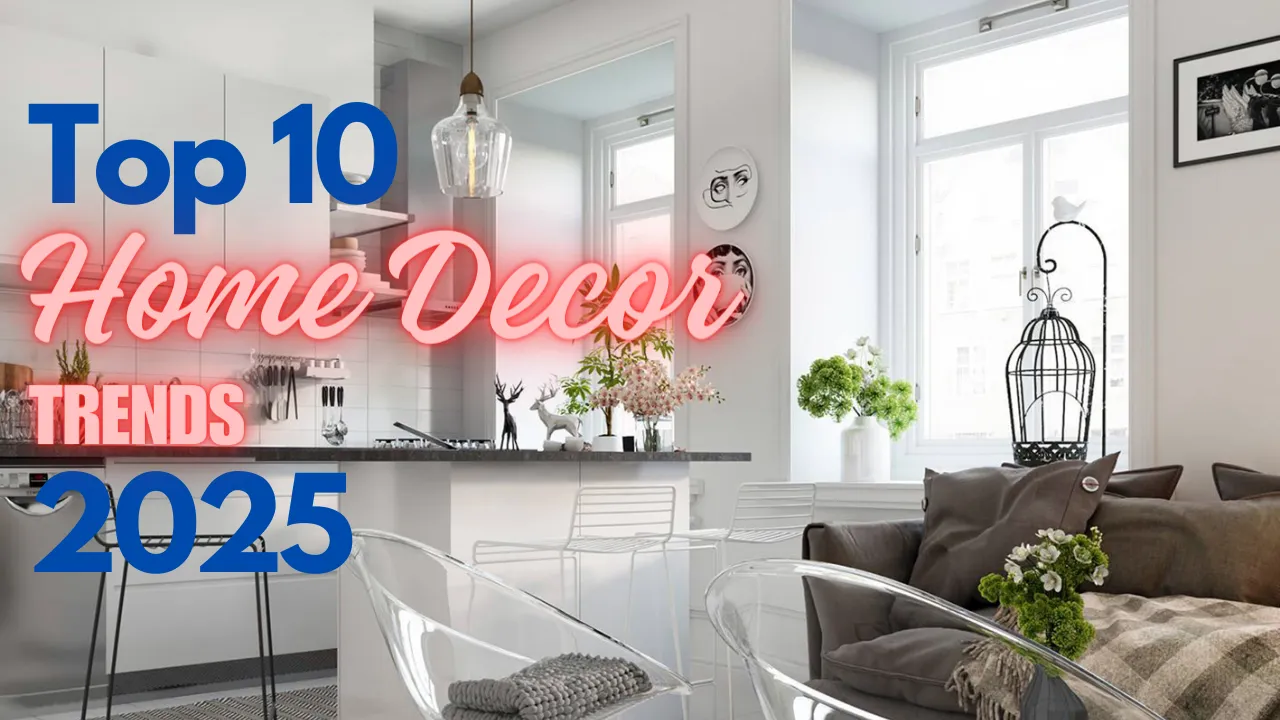
This isn’t about austere, cold spaces. It’s about curating a collection of meaningful objects – pieces that tell a story, evoke emotion, and serve a purpose. We’re seeing a rise in upcycled and vintage furniture, a rejection of fast fashion in home decor, and a focus on quality over quantity. This reflects a growing awareness of the environmental cost of our consumer habits. A 2023 report by the Ellen MacArthur Foundation highlighted the massive waste generated by the fast furniture industry, prompting many to seek more sustainable options. This isn’t just a trend; it’s a response to a crisis.
Biophilic Design: A Yearning for Nature’s Embrace
Feeling overwhelmed by the relentless pace of modern life? You’re not alone. In 2025, we’ll see a stronger push towards biophilic design – incorporating natural elements into our homes to create a sense of calm and connection to the natural world. Think living walls, indoor plants galore, natural materials like wood and stone, and plenty of natural light.
Why the surge in biophilic design? It’s a direct response to the increasing urbanization and digital saturation of our lives. We’re craving a refuge from the concrete jungle, a space where we can reconnect with nature and find solace. Studies have shown that exposure to nature reduces stress and improves mental well-being. So, in 2025, our homes will become sanctuaries, oases of calm in a chaotic world. This isn’t just about aesthetics; it’s about mental health.
Tech Integration: Seamlessly Blending the Physical and Digital
Don’t think that technology is going away. In fact, it’s becoming more integrated into our homes than ever before. But it’s not about a cold, sterile tech-dominated space. Instead, we’ll see a focus on seamless integration – technology that enhances our lives without overwhelming us.
Think smart lighting that adapts to our moods, voice-activated assistants that manage our schedules, and home automation systems that make our lives easier. But it’s not just about convenience; it’s about creating a more personalized and responsive living environment. The challenge will be balancing this integration with a sense of warmth and humanity – ensuring that technology serves us, rather than the other way around. This leads to a question: How do we prevent our homes from becoming overly reliant on technology, losing the human touch in the process?
A Return to Craft and Handmade: The Value of the Unique
Mass production has its place, but in 2025, we’ll see a renewed appreciation for handcrafted items and unique pieces. This reflects a desire for authenticity and individuality – a rejection of the homogenizing effects of mass consumerism. Think handmade ceramics, bespoke furniture, and locally sourced textiles.
This trend speaks to a growing dissatisfaction with mass-produced, disposable goods. People are seeking out items with a story, pieces that reflect the skill and artistry of the maker. It’s a move towards a more ethical and sustainable approach to consumption, supporting local artisans and valuing the unique over the generic. This isn’t just about aesthetics; it’s about supporting communities and valuing human connection.
Bold Colors and Maximalism: A Counterpoint to Minimalism?
While minimalism will remain a significant trend, we’ll also see a resurgence of bold colors and maximalist designs. This isn’t a complete rejection of minimalism; rather, it’s a counterpoint – a way to inject personality and vibrancy into our lives.
Think jewel tones, rich textures, and eclectic mixes of patterns and styles. This reflects a desire for self-expression and a celebration of individuality. After years of muted tones and minimalist aesthetics, people are craving color and personality. This is a pushback against the pressure to conform, a celebration of individuality and self-expression through our homes. It’s a reminder that personal style is a powerful statement.
Sustainability Takes Center Stage: Eco-Conscious Choices
Sustainability isn’t just a buzzword anymore; it’s a necessity. In 2025, we’ll see a greater emphasis on eco-conscious choices in home decor. This means choosing sustainable materials, supporting ethical brands, and reducing waste.
This reflects a growing awareness of the environmental impact of our consumption habits. People are increasingly demanding transparency and accountability from brands, seeking out products that are made ethically and sustainably. This isn’t just a trend; it’s a fundamental shift in values. It’s about making conscious choices that benefit both ourselves and the planet. What responsibility do we have as consumers to drive this change?
Multifunctional Spaces: Adaptability in a Changing World
In a world of uncertainty, adaptability is key. In 2025, we’ll see a greater emphasis on multifunctional spaces – rooms that can easily be transformed to suit different needs. This could involve flexible furniture, adaptable layouts, or clever storage solutions.
This reflects the changing nature of work and life. With the rise of remote work and the blurring of lines between professional and personal life, our homes need to be more flexible and adaptable. Multifunctional spaces allow us to maximize the use of our living space and create a more efficient and comfortable environment. This isn’t just about design; it’s about adapting to the changing demands of modern life.
The Future of Home Decor: A Reflection of Our Values
The home decor trends for 2025 aren’t just about aesthetics; they’re a reflection of our values, our anxieties, and our hopes for the future. They tell a story about our relationship with the environment, our desire for connection, and our need for adaptability in an ever-changing world.
The challenge isn’t just about choosing the "right" style; it’s about creating a home that reflects our true selves, a space that nourishes our souls and supports our well-being. It’s about making conscious choices that align with our values and contribute to a more sustainable and equitable future. What kind of home do you want to create? What story will your home tell? Let’s start the conversation.