
What is Minimalist Interior Design? A Deep Dive
So, you’re curious about minimalist interior design? Good! It’s more than just a trend; it’s a philosophy translated into living space. It’s about intentionality, about surrounding yourself only with what truly serves a purpose or brings you joy. It’s not about deprivation, though; it’s about thoughtful curation. It’s about stripping away the excess to reveal the essence of your home, your style, and ultimately, yourself. Think of it as decluttering your life, one carefully chosen piece of furniture at a time. It’s about creating a space that breathes, a space that feels calm and uncluttered, a sanctuary where you can truly relax and recharge. It’s surprisingly liberating, once you get past the initial hurdle of letting go. Many people think minimalism is cold or stark, but that’s a misconception. It can be warm, inviting, and incredibly personal – reflecting your unique taste through a lens of simplicity. The key is to focus on quality over quantity, choosing pieces that are both functional and beautiful, items that tell a story and resonate with you on a deeper level. It’s about investing in pieces you’ll love for years to come, rather than chasing fleeting trends. And that, my friends, is far more sustainable than constantly buying and discarding.
Minimalism in interior design isn’t about bare walls and a single chair. It’s about carefully considering every item that enters your space. It’s a constant process of evaluation and refinement, a journey of self-discovery as much as it is a design aesthetic. It’s about asking yourself: does this item add value to my life? Does it bring me joy? Does it serve a purpose? If the answer is no, it’s time to let it go. This isn’t a one-time purge; it’s an ongoing practice. It’s about being mindful of your consumption habits, and making conscious choices about what you bring into your home. It’s about appreciating the beauty of simplicity, the elegance of empty space, and the power of intentional living. It’s a shift in perspective, a re-evaluation of what truly matters, and how that translates into the environment you inhabit. It’s about creating a space that reflects your values, your personality, and your aspirations. The process itself is often as rewarding as the result. You’ll find yourself more focused, more organized, and more connected to your surroundings.
Think about your favorite museum exhibit. There’s usually a deliberate arrangement of pieces, a careful selection of artifacts, and a thoughtful use of space. Minimalist interior design takes a similar approach. It’s about creating a curated collection of objects, each one carefully chosen and placed to maximize its impact. It’s about allowing each piece to breathe, to be appreciated for its own unique qualities. It’s not about filling every corner and surface; it’s about creating a sense of balance and harmony. It’s about making space for light, for air, for quiet contemplation. It’s about creating a sense of calm and serenity, a refuge from the chaos of the outside world. It’s about creating a space that nurtures your mind, body, and soul. And while it might seem daunting at first, the journey is incredibly rewarding. The feeling of calm and clarity that comes with a minimalist space is something truly special.
The Color Palette of Minimalism
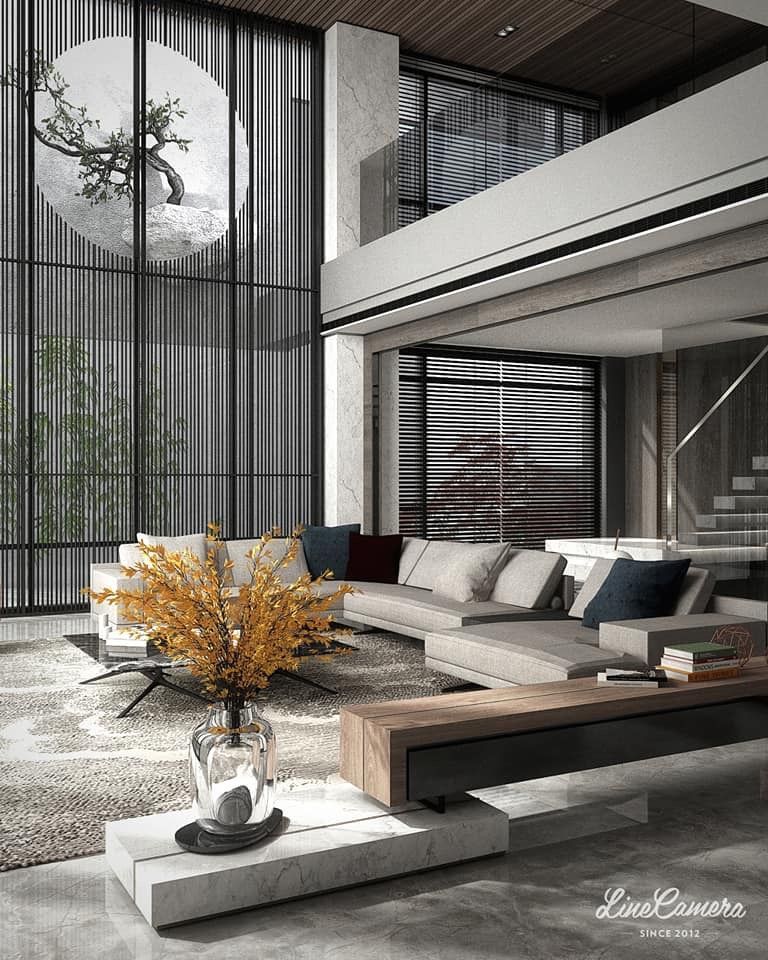
Minimalist design often employs a neutral color palette. Think whites, creams, grays, and beiges. These colors create a sense of spaciousness and serenity, allowing the few carefully chosen pieces to stand out. But that doesn’t mean it has to be boring! You can introduce pops of color through artwork, textiles, or accessories. A vibrant throw pillow on a neutral sofa, a striking piece of art on a blank wall – these small touches can add personality and warmth without overwhelming the space. The key is to use color strategically, to accentuate rather than distract. It’s about creating a balanced and harmonious space, where color serves to enhance the overall design rather than dominate it. And remember, even within the neutral palette, there’s a world of subtle variations to explore. Different shades of gray can create depth and texture, while warm whites can add a touch of coziness.
The beauty of a minimalist color palette is its versatility. It acts as a blank canvas, allowing you to experiment with different textures and materials without feeling overwhelmed. You can introduce natural elements like wood and stone, adding warmth and organic texture to the space. You can incorporate metallic accents, adding a touch of glamour and sophistication. The possibilities are endless, but the underlying principle remains the same: less is more. It’s about choosing a few key colors and sticking to them, creating a cohesive and calming atmosphere. This consistency extends beyond just the walls and floors; it informs the selection of furniture, accessories, and even artwork. The result is a space that feels both sophisticated and effortlessly stylish. It’s a space that feels intentional, curated, and deeply personal.
Don’t be afraid to experiment with different shades and tones within your chosen palette. A slightly warmer white can make a space feel more inviting, while a cooler gray can create a more modern and sophisticated feel. The key is to find a balance that works for you, a palette that reflects your personal style and creates the mood you desire. Remember, minimalism isn’t about stripping away all color; it’s about using color intentionally, to enhance the overall design and create a space that feels both beautiful and calming. It’s about understanding the psychology of color and how it can influence your mood and well-being. A thoughtfully curated color palette is an essential element of successful minimalist design. It’s a subtle yet powerful tool that can transform a space from simply uncluttered to truly serene and inspiring.
Materials and Textures in Minimalist Design
Minimalist interior design isn’t just about what you don’t include; it’s also about the quality and intentionality of what you do include. This is where the choice of materials and textures becomes crucial. Think natural materials: wood, stone, linen, cotton. These materials bring warmth and organic texture to the space, counteracting any potential coldness associated with minimalist aesthetics. The tactile quality of these materials adds another layer of richness and depth to the design, making the space feel more inviting and less sterile. It’s about creating a sensory experience, engaging not just your visual sense but also your sense of touch.
The choice of materials also plays a significant role in the overall atmosphere of the space. Rough-hewn wood can create a rustic and cozy feel, while sleek marble can add a touch of sophistication and elegance. The key is to choose materials that complement each other and create a cohesive look. It’s about balancing different textures to create visual interest without overwhelming the space. Think of a smooth linen sofa paired with a rough-hewn wooden coffee table, or a sleek marble countertop contrasted with the warmth of a wooden floor. These contrasting textures add depth and visual interest to the space, preventing it from feeling flat or monotonous.
It’s important to note that the quality of the materials matters just as much as the type. Investing in high-quality materials will not only enhance the aesthetic appeal of your space but will also increase its longevity. A well-made piece of furniture, crafted from durable materials, will last for years, reducing the need for constant replacements and contributing to a more sustainable lifestyle. This aligns perfectly with the minimalist philosophy of valuing quality over quantity. The focus is on investing in fewer, higher-quality pieces that will stand the test of time, rather than accumulating a large collection of cheap, disposable items. This thoughtful approach to material selection is an integral part of achieving a truly successful minimalist interior design. It’s about creating a space that is not only beautiful but also durable, sustainable, and reflective of your values.
Light and Space in Minimalist Design
Light is a key element in minimalist design. Natural light is particularly important, as it creates a sense of spaciousness and airiness. Maximize natural light by keeping windows unobstructed and using sheer curtains or blinds to diffuse the light softly. This creates a bright, airy atmosphere that enhances the feeling of openness and calm. Artificial light should be used strategically to complement natural light, creating a warm and inviting ambiance. Avoid harsh overhead lighting; instead, opt for softer, more diffused light sources such as table lamps, floor lamps, and recessed lighting. Think about layering light sources to create different moods and levels of illumination.
The arrangement of furniture is also crucial in maximizing the feeling of space. Avoid overcrowding the room; instead, leave ample space between pieces to allow for easy movement and a sense of openness. Consider using multi-functional furniture to save space and maximize functionality. A sofa bed, for example, can serve as both seating and sleeping space, while a coffee table with storage can provide extra storage without cluttering the room. The goal is to create a space that feels both spacious and functional, a place where you can move freely and easily without feeling cramped or overwhelmed.
By carefully considering the placement of furniture and the use of light, you can create the illusion of more space than actually exists. This is a key aspect of minimalist design, as it helps to create a sense of calm and serenity. A clutter-free space, bathed in natural light, feels inherently more spacious and inviting. This is why decluttering is such an important part of the minimalist approach. By removing unnecessary items, you create more space, both physically and visually. This allows the eye to rest and appreciate the beauty of the remaining pieces, enhancing the overall sense of calm and tranquility. The result is a space that feels both spacious and inviting, a sanctuary where you can relax and recharge.