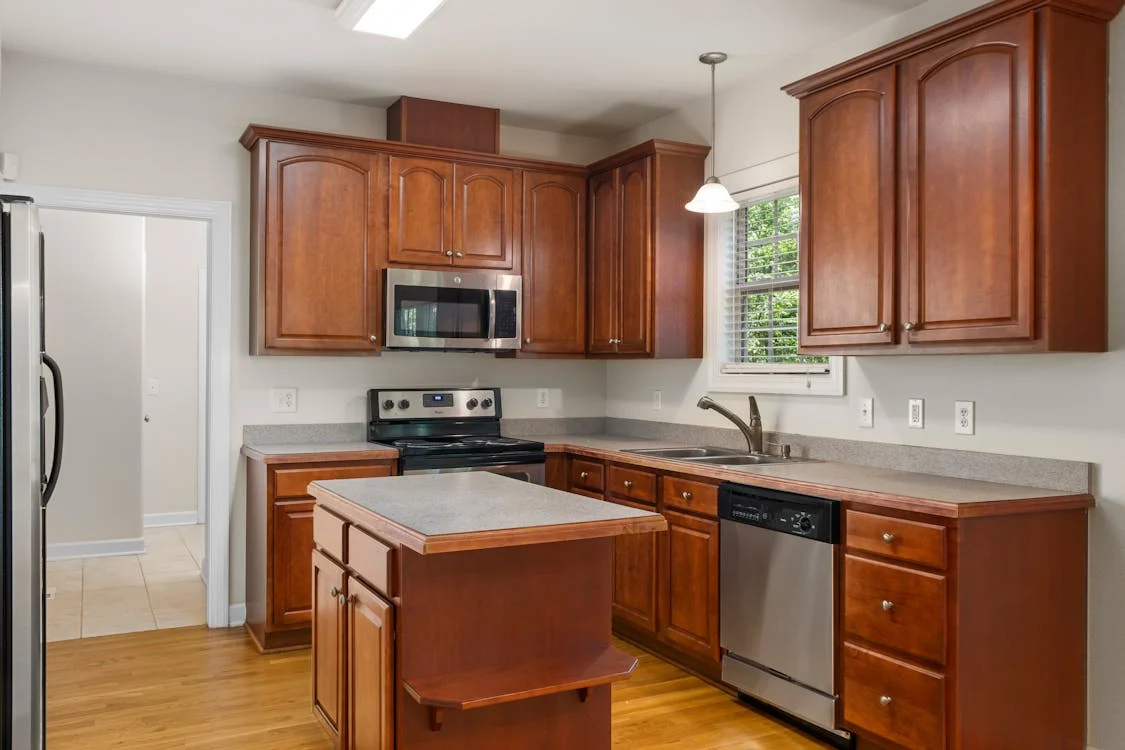
If there’s one thing I’ve learned from remodeling kitchens in three very different homes, it’s this: no two kitchen remodel costs are alike. The numbers you see on HGTV or in magazine estimates are a ballpark at best. When you get into the nitty-gritty of layout changes, cabinetry decisions, finishes, appliances, and those inevitable surprises hidden behind your walls, you realize how personal and variable the budget truly is. Still, after going through the process multiple times, I’ve developed a pretty solid sense of what to expect—and what to plan for—when budgeting for a kitchen renovation.
In my first remodel, I was working with a tight budget and made a conscious decision to keep the footprint the same. That one decision saved thousands. I spent about $12,000 in total, with the bulk going to new cabinets and countertops. I skipped custom cabinetry and went with a semi-stock line from a big-box store, opting to do the demo and painting myself. It wasn’t glamorous, but it was a major upgrade that made the kitchen functional and fresh. What I realized is that labor—installers, electricians, plumbers—can account for nearly 40% of the total budget. The more you can do yourself (safely), the more room you have for materials or small luxuries like a better backsplash or faucet.
By the time I tackled my third kitchen, my budget was almost triple. I wanted high-end appliances, inset cabinetry, and a quartz slab backsplash. The total cost ended up being around $40,000. That included moving plumbing lines, upgrading to a commercial-style range, and splurging on hand-crafted tiles. I don’t regret a penny, but I also know it was a very different kind of remodel. It wasn’t just a facelift—it was a reinvention of how the kitchen functioned and looked. The result? A space that felt completely custom and perfectly suited to how we live. So yes, kitchen remodel costs vary dramatically—but they’re always an investment in the way you live every day.
What Affects the Price Tag the Most
There are so many factors that influence kitchen remodel costs, and not all of them are obvious. The biggest is scope. Are you just replacing surfaces, or are you knocking down walls? Keeping your layout intact can save a huge chunk of your budget. As soon as you start rerouting plumbing or electrical, costs escalate quickly. In one of my remodels, I learned that moving a sink just three feet to center it under a window added nearly $1,200 to my bill once the plumbing and cabinetry adjustments were factored in.
Materials are another major cost driver. Cabinets typically take up the largest portion of the budget—anywhere from 25% to 40%. Going with stock or semi-custom cabinets can save you thousands, while fully custom options can double that line item. Countertops, flooring, and appliances follow closely behind. In my experience, countertops are one of the easiest places to splurge or save. Laminate has come a long way and can mimic pricier surfaces at a fraction of the cost. But if you’ve fallen in love with a specific stone slab, be prepared to pay not only for the material but also for installation and edge detailing.
Labor is the silent budget killer. Skilled tradespeople are worth every penny, but their hourly rates add up fast. That’s why it’s crucial to get multiple bids and ensure you’re working with licensed, reputable professionals. I once made the mistake of choosing the cheapest installer for cabinetry, only to have to redo half the job due to poor leveling. It ended up costing more than if I’d gone with a more experienced pro from the start. It’s also why you need a contingency fund—typically 10% to 20%—because unexpected issues will arise. Whether it’s outdated wiring or a water-damaged subfloor, surprises in old kitchens are almost guaranteed.
Getting the Most Value for Your Money
If you’re like most homeowners, you’re not just remodeling for looks—you’re also thinking about resale. The good news is that a well-executed kitchen renovation has one of the highest returns on investment in home remodeling. But the key word is “well-executed.” I always advise people to invest where it counts: cabinetry function, lighting, and layout. These elements make a kitchen pleasant to use every single day, which is what future buyers will notice too.
One trick I’ve used is mixing high and low. For example, in my last project, I splurged on statement pendant lights and a designer faucet but went with affordable subway tile for the backsplash. The contrast actually elevated the whole space. Similarly, refinishing existing hardwood floors instead of replacing them saved enough money to upgrade to panel-ready appliances that seamlessly integrated into the cabinetry. These choices are about smart trade-offs, not cheaping out.
Another piece of advice? Take your time planning. Rushing into a remodel without a clear vision and budget leads to costly mistakes. I like to live in the space for a while before finalizing any big decisions. I observe how sunlight moves through the kitchen, where bottlenecks occur, and which drawers I reach for most. All of that informs a better, more efficient design. And don’t be afraid to phase your remodel. I once did mine in three stages over a year—it allowed me to prioritize the essentials first and save for upgrades later without burning out financially or emotionally. That flexibility made the entire process smoother and more enjoyable.