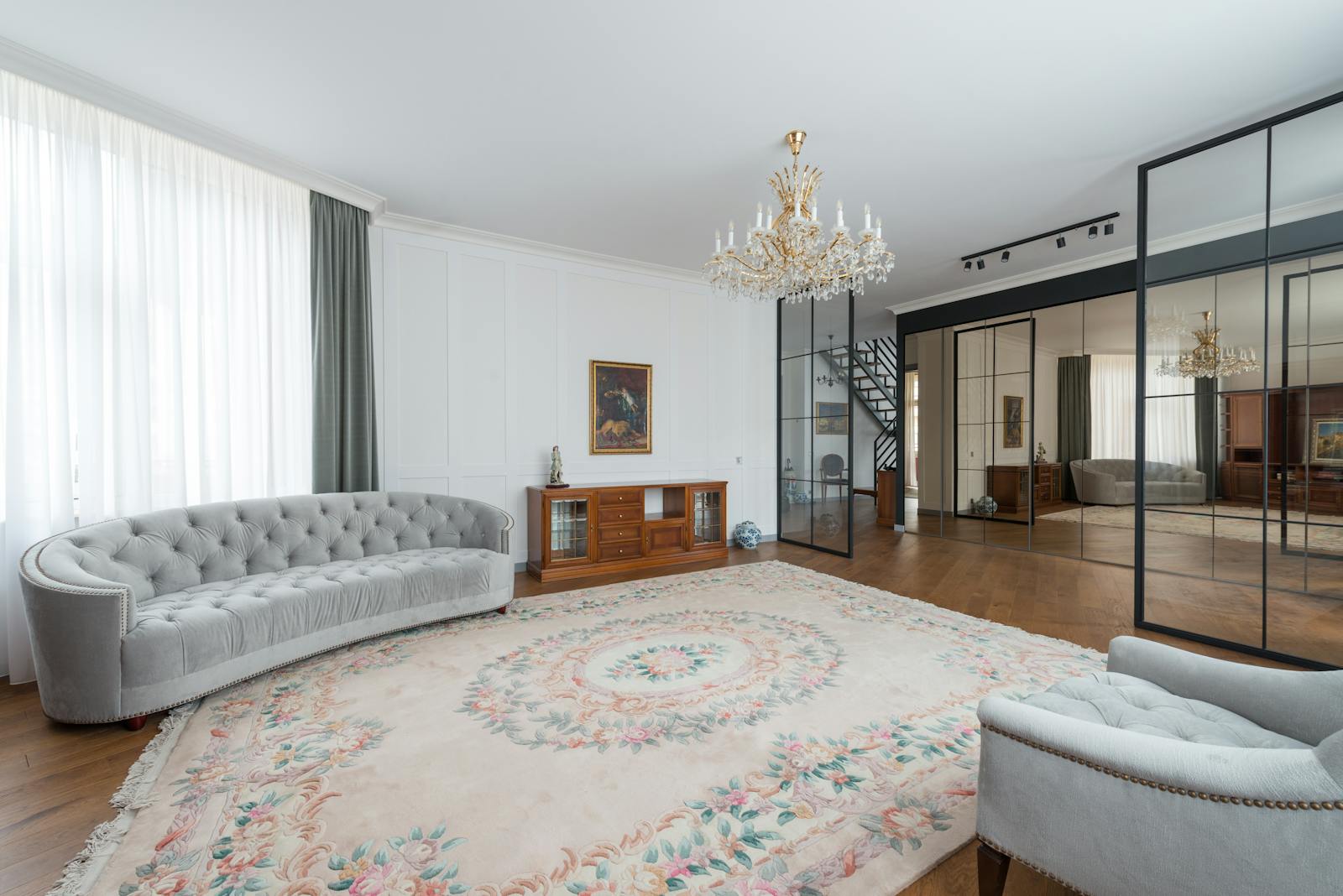
In recent years, tiny homes have gained a tremendous following. From minimalist enthusiasts to eco-conscious homeowners and those simply seeking a more affordable lifestyle, tiny homes offer an innovative approach to living. These compact dwellings, often no larger than 400 square feet, are a far cry from traditional homes in terms of size, but they offer something that larger homes can struggle to provide: a sense of intentionality and purpose in every single inch of space.
As the demand for tiny homes continues to grow, so does the challenge of making the most of these limited square footage areas. Decorating small spaces requires creativity, strategic planning, and an understanding of how to maximize every nook and cranny. The good news is that with the right design choices, tiny homes can be both functional and stylish, offering a perfect balance between practicality and personality.
This article explores how to decorate small spaces, offering tips and inspiration to ensure that your tiny home not only fits your lifestyle needs but also showcases your personal taste. From clever furniture choices to color schemes, storage solutions, and lighting techniques, we’ll cover all aspects of tiny home décor to help you achieve big style in a small space.
1. Embrace Minimalism, but Make It Your Own
When designing a tiny home, one of the most important principles to embrace is minimalism. Minimalism is not just about having fewer things—it’s about being intentional with your space, curating your belongings, and only keeping items that serve a purpose or bring you joy. But here’s the key: minimalism in a tiny home doesn’t mean sacrificing style.
Start by curating the décor in a way that allows for function and aesthetics to go hand-in-hand. Choose quality over quantity. Instead of filling the room with excess furniture or decoration, opt for pieces that are versatile and reflect your personality. This approach makes small spaces feel uncluttered and spacious while maintaining warmth and style.
One of the easiest ways to implement minimalism is by selecting multi-purpose furniture. Look for items like a sofa bed, a fold-down dining table, or a coffee table with built-in storage. These clever pieces allow you to use the space for different functions without overcrowding the room. A small, sleek sofa that doubles as a guest bed or a dining area that can be tucked away when not in use are great ways to maximize functionality without compromising on aesthetics.
Decorating a small space with minimalist design doesn’t mean stripping the room bare; instead, it’s about focusing on essential elements that complement each other. Think of your tiny home as a gallery, with each piece thoughtfully placed to contribute to the overall feel of the space.
2. Prioritize Vertical Space
In a tiny home, the floor space is limited, so one of the best strategies for decoration is to think vertically. Instead of filling the floor with large furniture or excessive décor, consider how you can use wall space and vertical storage to your advantage.
For example, wall-mounted shelves are an excellent way to display books, plants, or art without sacrificing valuable floor space. If you’re working with a lofted bed, utilize the space underneath for additional storage. Installing tall cabinets or built-in shelving units can help you store everything from kitchen supplies to clothing and tools without cluttering the floor.
Hooks, pegs, and wall racks are also fantastic solutions for storing things like coats, bags, or even kitchen utensils, keeping everything easily accessible while ensuring that your tiny home doesn’t feel cramped. You can add some personality by choosing stylish hooks or decorative wall racks that complement your overall design.
Furthermore, mirrors can be a game-changer in a tiny home. Strategically placing mirrors on walls can help create the illusion of more space by reflecting light and making the room feel bigger. Full-length mirrors or mirrored furniture pieces, like a small side table or cabinet, can add a touch of elegance while making the space feel airy.
3. Use Light Colors to Open Up the Space
Color plays a pivotal role in making small spaces feel more expansive. While dark, rich colors can bring warmth and intimacy to a room, they can also make it feel smaller. To create the illusion of more space, consider using light, airy colors for your walls, floors, and furniture.
Soft neutrals like whites, creams, light grays, and beiges are excellent choices for tiny homes because they reflect light and open up a space. These shades help to create a calm, serene atmosphere, which is especially important in small homes where you don’t want the environment to feel claustrophobic.
If you love color but still want to keep the space feeling light, you can introduce pops of color through accent walls, textiles, and accessories. A single wall painted in a soft pastel or an interesting wallpaper pattern can add character without overwhelming the space. For instance, a mint green or soft blush pink accent wall can evoke a sense of freshness and vibrancy while still maintaining a bright and open feel.
For flooring, consider using light-colored wood or even light-colored vinyl or laminate options that resemble wood. These materials are often budget-friendly, durable, and easy to maintain, perfect for tiny home living.
4. Incorporate Natural Light and Lighting Design
The amount of natural light in a tiny home can significantly impact how spacious and welcoming it feels. The more natural light you can bring in, the more open and airy the space will seem. If possible, maximize your windows by keeping them unobstructed. Use light, translucent curtains or shades that allow sunlight to flood the space while still providing privacy when needed.
In addition to natural light, layered lighting is essential for small spaces. A combination of ambient, task, and accent lighting allows you to adjust the mood and functionality of the room based on your needs.
Ambient lighting—the general lighting that fills the room—can be achieved through ceiling lights or wall-mounted sconces. Look for recessed lighting or track lighting options that don’t take up any floor space.
For task lighting, think about where you need focused light for activities like reading, cooking, or working. A desk lamp, under-cabinet lighting in the kitchen, or pendant lights over the dining table can help create bright, well-lit spaces where you need them most.
Lastly, accent lighting adds a touch of style. Wall sconces, floor lamps, and LED strips under shelves or around artwork help create atmosphere and bring out certain features of your tiny home. Fairy lights or string lights can add a cozy, whimsical feel and make the space feel welcoming, especially in the evening.
5. Play with Texture and Patterns
Although your space may be small, that doesn’t mean you have to forgo texture and pattern in your décor. Playing with textures can make a tiny home feel cozy and dynamic, while patterns can inject personality and interest into the space.
Start by adding textured textiles—think soft throws, plush pillows, and tactile fabrics like velvet, linen, or wool. These can be used to soften hard surfaces and create an inviting, layered look. Choose fabrics with different weights and finishes to add depth to the space.
For instance, a knitted throw blanket on the sofa or linen curtains on the windows can bring both comfort and style to a small living area. If you have a neutral color scheme, introducing patterns through textiles can help energize the room. Stripes, geometric patterns, or subtle florals on cushions, rugs, and bedding add visual interest without overwhelming the space.
Be mindful of the size and scale of the patterns you choose. In tiny spaces, oversized prints can feel heavy and overpowering. Instead, opt for smaller, more delicate patterns or large-scale patterns in muted tones for a balanced look.
6. Incorporate Multi-Functional Furniture
As mentioned earlier, multi-functional furniture is a lifesaver in tiny homes. When decorating small spaces, every piece of furniture should serve at least two purposes. This not only saves space but also adds flexibility to your design.
- Fold-out desks or wall-mounted tables can be pulled out when needed and tucked away when not in use, making them ideal for home offices in tiny spaces.
- Storage ottomans or benches with hidden compartments can provide extra seating while doubling as storage for blankets, books, or other items.
- Murphy beds or lofted beds are perfect for freeing up space during the day, while also offering a comfortable sleeping area at night.
The key to successful multi-functional furniture is to look for pieces that blend seamlessly with the rest of your décor. Furniture with clean lines and simple silhouettes is often more adaptable and works better in small spaces. Additionally, modular furniture—like modular sofas or stackable tables—can be rearranged to suit different needs, offering the ultimate in flexibility.
7. Create Outdoor Living Spaces
Just because you live in a tiny home doesn’t mean you have to confine yourself to indoor living. Many tiny homes come with outdoor areas, such as small porches, patios, or even roof decks. These spaces are perfect for creating additional living areas and extending your usable space.
Consider outfitting your tiny home’s outdoor space with comfortable seating, cozy blankets, and potted plants to create a peaceful retreat. If you’re lucky enough to have a balcony or rooftop space, make it a cozy haven with string lights, an outdoor rug, and a few comfortable chairs or cushions for lounging.
By maximizing outdoor areas, you can give your tiny home a much-needed sense of expansiveness while making the most of the natural surroundings.
Conclusion
Decorating a tiny home is an art form in itself, requiring careful consideration of every square inch. But with the right strategies—such as embracing minimalism, maximizing vertical space, choosing light colors, and investing in multi-functional furniture—you can create a stylish and functional home that doesn’t feel cramped or crowded.
Ultimately, the key to decorating a tiny home with big style is to focus on what truly matters. Every choice, from furniture to color to lighting, should be purposeful and contribute to the overall design. By making thoughtful, strategic decisions and showcasing your personality through the décor, your tiny home will not only reflect your needs but also be a place you truly love. Small spaces might come with limitations, but with the right approach, they can offer endless possibilities for big style.