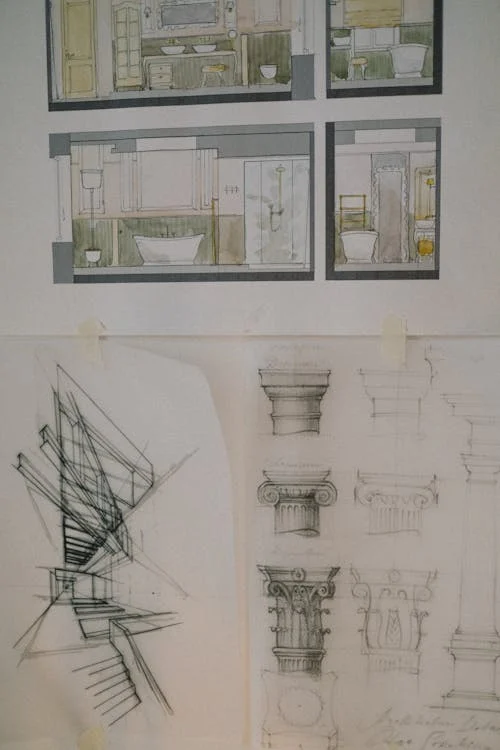
Living Large in Small Spaces: The Art of Tiny Bathroom Layout
Designing a tiny bathroom layout might seem like a challenge, but after transforming a couple of them in my own homes and helping friends do the same, I’ve come to believe that smaller spaces actually invite more creativity. In fact, my favorite bathroom renovation wasn’t in the master suite of a sprawling home—it was in a 35-square-foot guest bath in a city apartment. It forced me to rethink the essentials, embrace minimalism, and find a layout that made the most of every single inch. What emerged wasn’t just a functional space—it was a stylish sanctuary that proved small doesn’t mean sacrifice.
The key to a great tiny bathroom layout is understanding flow and scale. I always start by figuring out what absolutely needs to be in the space: a toilet, a sink, and a shower or tub. Then I get creative. In one remodel, we swapped a bulky vanity for a sleek wall-mounted sink that freed up floor space and gave the room an airy feel. We added a narrow vertical cabinet for storage and installed a mirror with integrated lighting to eliminate the need for extra fixtures. The result felt spacious and intentional—even a little luxurious. And it worked better than the original layout, which had standard fixtures that simply didn’t fit the scale of the room.
Another trick I swear by is rethinking door placement. Pocket doors or sliding barn-style doors can free up precious floor space and make a small bathroom more functional. I’ve even seen hinged doors reinstalled to swing outwards rather than in. These little tweaks can open up new layout possibilities that aren’t available with standard configurations. When square footage is tight, every inch matters. The goal is always the same: reduce visual clutter, maximize light, and ensure each element serves a purpose.
Clever Layouts That Make the Most of Every Inch
When space is at a premium, layout becomes more important than style. But the best designs manage to balance both. I’ve experimented with a few clever layouts over the years, and one of the most effective is the wet room approach—essentially combining the shower and the rest of the bathroom into one seamless, waterproof space. It eliminates the need for separate enclosures and allows the shower area to double as floor space when not in use. A glass panel or half-wall helps contain water without breaking up the room visually.
Another favorite is the corner shower layout. In tight bathrooms, placing the shower in a back or corner area helps open up the rest of the space. Add a curved or sliding glass door, and suddenly the room feels twice as big. I also love floating vanities and wall-hung toilets in these layouts. They reveal more of the floor, creating the illusion of depth. In one tiny bathroom layout I redid, just lifting the vanity off the ground made the whole room feel taller and lighter.
Storage is another element where layout shines. Think vertically—recessed medicine cabinets, over-the-toilet shelving, or built-in niches in the shower. These solutions free up counter and floor space while keeping daily essentials within reach. I like to use narrow ledges instead of bulky shelves, or even mount baskets on the wall for a boho, functional vibe. In these small bathrooms, everything needs a place. And when the layout supports good organization, the space becomes not just usable—but enjoyable.
Styling Small Bathrooms with Intention
Once the layout is dialed in, styling is what brings a tiny bathroom layout to life. I always say that small spaces deserve big style, and a good layout gives you the foundation to have fun with finishes. One of my favorite tricks is using bold tile in a focused area—like the back wall of the shower or behind the vanity—to create a focal point. In a tiny space, these moments don’t overwhelm; they energize. I’ve used everything from Moroccan zellige to simple penny rounds, and each one gave the room a signature look.
Mirrors are another essential styling tool. Large mirrors, especially those that reach to the ceiling or stretch wall-to-wall, can double the visual space and reflect light. I also like layering lighting to make the room feel more expansive. A combination of ceiling lights, sconces, and mirror-integrated LEDs makes the space feel warm and functional. I’ve even used dimmers in tiny bathroom layout—it adds a touch of luxury you wouldn’t expect in such a compact footprint.
Plants, artwork, and thoughtful hardware choices round out the design. Even in the smallest bathrooms, a tiny potted fern or a framed print can make the space feel lived-in and welcoming. I love mixing metals—like brass handles with black fixtures—to add dimension. And I always choose hardware that feels good in the hand, because those daily touchpoints should feel intentional. With the right layout, tiny bathrooms stop feeling like compromises and start feeling like curated gems—spaces where every detail is considered, and every square inch works harder and looks better.