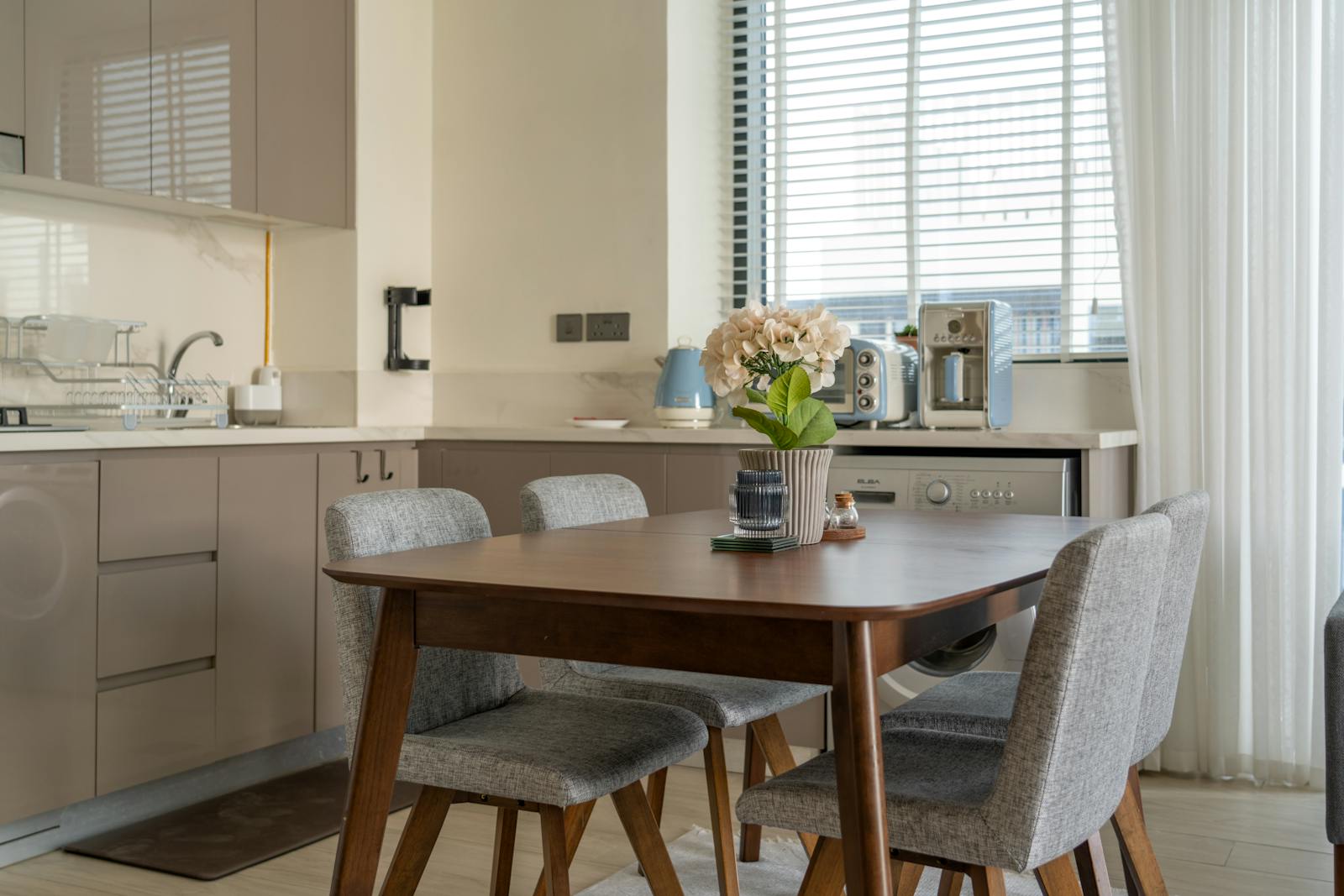
In a world where interior design trends come and go, the timeless appeal of minimalist decor stands out. Characterized by clean lines, simplicity, and an emphasis on functionality, minimalist design has become a hallmark of modern living spaces. Whether you prefer a sleek, modern aesthetic or a warm, cozy atmosphere, minimalist decor can seamlessly blend with any style. This article explores how minimalist decor can be incorporated into different design styles, the benefits it offers, and how it fosters a sense of calm and clarity in our living spaces.
The Essence of Minimalism in Decor
At its core, minimalist design is about stripping away the excess and focusing on what is truly essential. The idea is to create spaces that feel open, calm, and uncluttered. It’s about making conscious choices in what to include in a room, whether that’s furniture, artwork, or even color palettes.
Minimalist decor can be traced back to the mid-20th century, gaining popularity alongside modernism. Influential designers like Ludwig Mies van der Rohe, Le Corbusier, and Tadao Ando embraced the principles of minimalism, opting for clean lines and simple forms. Over time, minimalist design evolved, making its way into residential spaces. Today, it has become synonymous with sophistication and elegance, thanks to its ability to adapt to various tastes and styles.
Core Elements of Minimalist Design
To fully understand how minimalist decor can complement any style, it’s important to identify the key elements that make up minimalist design.
1. Neutral Color Palette
The color palette in minimalist design tends to favor muted, neutral shades such as whites, blacks, grays, and earth tones. These colors create a serene and harmonious atmosphere. The simplicity of the color scheme is essential in achieving the calming effect that minimalist design is known for. However, some minimalist spaces may incorporate subtle pops of color, especially when using natural elements like wood or greenery.
2. Functional Furniture
Minimalist furniture is known for its functionality and form. The pieces are typically simple in design, without excessive ornamentation. Furniture is selected for its practicality, and each item serves a specific purpose. While sleek and modern, minimalist furniture often uses high-quality materials such as wood, glass, and metal, contributing to a sophisticated yet understated look.
3. Clean Lines and Open Spaces
A hallmark of minimalist decor is the use of clean, straight lines in furniture, walls, and architectural features. Spaces are kept open, with fewer partitions and clutter. The layout is often open-concept, making the room feel larger and more expansive.
4. Decluttered Surfaces
Minimalism thrives on the principle of “less is more.” Surfaces are kept free from unnecessary items, and only a few carefully selected accessories are displayed. This contributes to a sense of order and tranquility, which is central to the minimalist ethos.
5. Natural Light and Ventilation
Large windows and open spaces are integral to minimalist design, as they maximize the amount of natural light that enters the room. Natural light helps brighten the space and create a sense of connection with the outdoors. The integration of nature, whether through the use of plants or organic materials, is another way minimalist design enhances the ambiance of a room.
Minimalism for Every Style
One of the greatest strengths of minimalist decor is its adaptability. Minimalism does not adhere to a single aesthetic but rather provides a flexible foundation for various design styles. Whether you prefer industrial, Scandinavian, boho, or mid-century modern, minimalist principles can be seamlessly integrated into your home.
1. Scandinavian Minimalism
Scandinavian design, characterized by a sense of functionality, simplicity, and warmth, is a natural fit for minimalist decor. Scandinavian interiors focus on creating inviting, cozy spaces while maintaining a clean, uncluttered aesthetic. In Scandinavian minimalism, the use of light wood finishes, neutral tones, and natural textiles like wool and linen are prevalent.
The minimalist aspect of Scandinavian design comes into play with its emphasis on decluttering and prioritizing functional furniture. Open shelving and sleek, simple furniture pieces define Scandinavian interiors, while decorative items are carefully chosen to avoid overwhelming the space. The result is a serene environment that combines practicality with warmth.
2. Industrial Minimalism
Industrial design is often associated with raw, unfinished materials like exposed brick, steel beams, and concrete floors. When combined with minimalist principles, industrial spaces become sleek, functional, and bold. Industrial minimalism typically incorporates large, open spaces with an emphasis on neutral colors, such as gray, black, and white.
Furniture in an industrial minimalist setting is typically streamlined, with a focus on metal, leather, and wood materials. While the aesthetic can feel more rugged, the minimalist approach ensures that the design is still uncluttered and open. The industrial look, combined with minimalist decor, creates a chic and contemporary environment that feels both modern and timeless.
3. Mid-Century Modern Minimalism
Mid-century modern design emerged in the mid-20th century and is characterized by clean lines, organic forms, and functionality. Minimalist principles naturally align with mid-century modern aesthetics. In this style, simplicity is key, with a focus on high-quality materials and well-designed furniture.
Mid-century modern minimalist interiors feature iconic furniture pieces such as Eames chairs, sleek wooden tables, and geometric patterns. The neutral color palette is typically offset with bursts of color, like mustard yellow, teal, or burnt orange, often used in accent pieces. The minimalist approach emphasizes the beauty of the design and allows the furniture to become the focal point of the space.
4. Bohemian Minimalism
Bohemian (or boho) decor is often associated with eclectic, vibrant spaces filled with rich textures, patterns, and colors. However, it’s possible to embrace a minimalist approach within the bohemian style by focusing on a more pared-down, intentional design.
Bohemian minimalism combines the laid-back, relaxed vibe of boho design with the simplicity of minimalist principles. Instead of cluttering a space with decorative items, the focus shifts to a few carefully curated pieces, such as a single statement rug, a vintage armchair, or a hanging macrame plant holder. The color scheme may still feature earthy tones and pops of rich colors, but the overall layout remains uncluttered, creating a calm, bohemian oasis.
5. Contemporary Minimalism
Contemporary design is constantly evolving but often focuses on clean lines, neutral tones, and a blend of modern and traditional elements. When combined with minimalist principles, contemporary spaces feel open, fresh, and inviting.
In contemporary minimalist design, furniture tends to have simple, geometric shapes with sleek finishes. Open shelving, wall-mounted units, and simple light fixtures are commonly used to create a clutter-free environment. The key is balancing minimalist aesthetics with comfort and warmth, which ensures that the space feels inviting while still adhering to minimalist principles.
6. Traditional Minimalism
Even the more traditional design styles can benefit from minimalist decor. In traditional minimalism, the goal is not to strip away the classic elements that make the style unique, but rather to simplify and declutter the space while preserving its elegant character.
Traditional minimalist spaces focus on classic furniture pieces with clean lines and subtle detailing. Decorative items, such as antique mirrors or vases, are chosen carefully and are limited to a few key pieces. The result is a timeless design that feels both refined and serene.
Benefits of Minimalist Decor
While minimalist decor offers aesthetic appeal, it also provides practical benefits. Here are some of the key advantages of embracing a minimalist lifestyle in your home:
1. Increased Calm and Focus
A clutter-free environment can have a profound impact on our mental well-being. Minimalist spaces promote a sense of calm by eliminating distractions and creating an atmosphere that encourages relaxation. With fewer items vying for attention, individuals are able to focus more on what truly matters.
2. Better Functionality
Minimalist design prioritizes functionality over excessive ornamentation. Each piece of furniture or decor serves a purpose, ensuring that the space is not only beautiful but also practical. This focus on utility means that rooms are often more organized and easier to navigate.
3. Timeless Elegance
The simplicity of minimalist decor means that it transcends fleeting trends. While other design styles may feel dated over time, minimalist spaces continue to maintain their appeal. The enduring elegance of clean lines, neutral colors, and functional design ensures that minimalist interiors remain relevant for years to come.
4. Enhanced Space and Light
By reducing the number of items in a room, minimalist design creates a sense of openness and space. This feeling of airiness can be especially beneficial for smaller rooms, where maximizing space is crucial. Additionally, the emphasis on natural light in minimalist interiors allows rooms to feel brighter and more welcoming.
5. Easier Maintenance
With fewer items in a room, cleaning and organizing becomes easier. Minimalist decor is inherently low-maintenance, as there are fewer surfaces to dust, fewer items to arrange, and fewer distractions. This can make it easier to keep your home in order and focused on what’s important.
Conclusion
Timeless, elegant, and adaptable—minimalist decor has earned its place as a favorite design choice for modern interiors. Its versatility allows it to complement a wide range of styles, from Scandinavian and industrial to bohemian and contemporary. By focusing on simplicity, functionality, and natural beauty, minimalist design fosters a serene, clutter-free environment that enhances both form and function.
Whether you’re drawn to a sleek, modern aesthetic or a warm, traditional design, embracing minimalist principles can transform your space into a timeless haven. In a world of fast-paced trends, minimalist decor offers a refreshing approach that encourages clarity, calm, and beauty—making it an ideal choice for anyone seeking a home that feels both sophisticated and peaceful.