
The Quiet Revolution of the Minimalist House Front: A Reflection on Modern Living
Are you tired of the visual clutter that dominates our streetscapes? The relentless competition for attention, embodied in oversized garages and ostentatious landscaping, leaves many feeling overwhelmed. What if, instead, we embraced the serenity of a minimalist house front? This isn’t just about aesthetics; it’s a reflection of a deeper societal shift towards intentionality and mindful living.
The rise of the minimalist house front is not a spontaneous trend. It’s a reaction to decades of consumerism, fueled by post-war economic booms and aggressive marketing. Think of the sprawling suburban homes of the 1950s – symbols of prosperity, yet often characterized by a visual cacophony of additions and ornamentation. This architectural style, while reflective of its time, now feels jarringly at odds with our current understanding of sustainable living and mindful consumption. Studies from organizations like the Ellen MacArthur Foundation highlight the environmental impact of excessive consumption, making the minimalist approach increasingly relevant. We’re questioning the inherent value of "more" and embracing the elegance of "less."
Imagine the minimalist house front as a canvas. Clean lines, muted colors, and strategically placed elements create a sense of calm and order. It’s a deliberate rejection of visual noise, a conscious choice to prioritize quality over quantity. This isn’t about spartan living; it’s about intentional living. It’s about focusing on what truly matters, both inside and outside the home. Think of Japanese minimalist architecture, with its emphasis on natural materials and understated elegance – a stark contrast to the often-garish styles prevalent in many Western societies. This aesthetic is not devoid of personality; rather, it allows personality to shine through in carefully curated details.
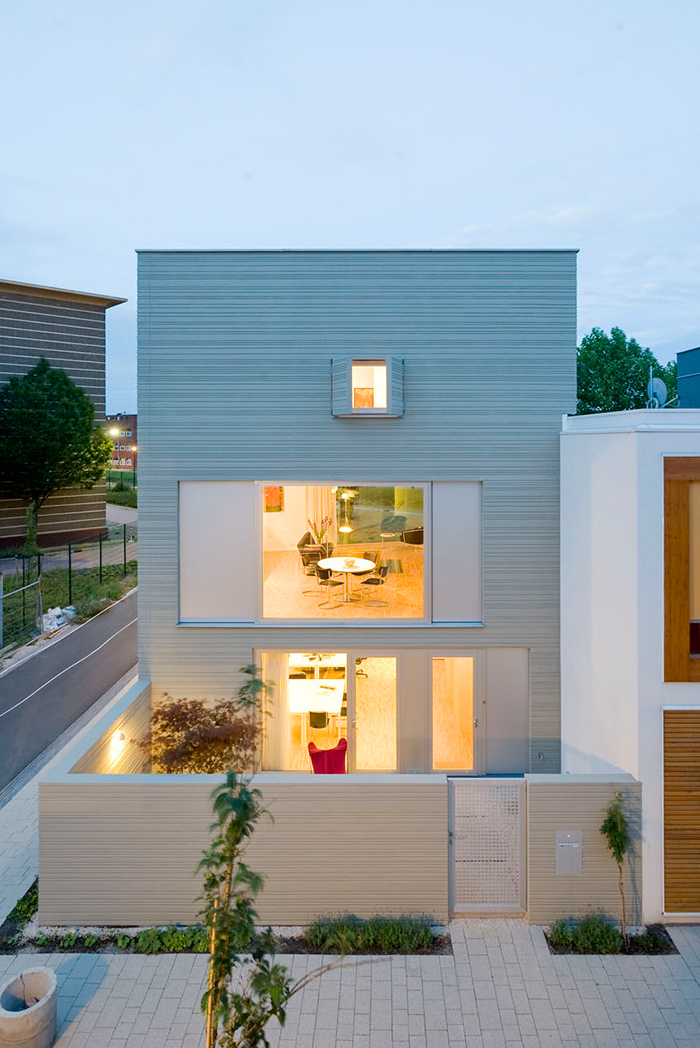
But what are the challenges? One major hurdle is societal pressure. In many communities, larger homes are still perceived as a status symbol. Overcoming this ingrained perception requires a collective shift in values, a conscious rejection of the "bigger is better" mentality. Furthermore, finding skilled contractors who understand and can execute a truly minimalist design can be difficult. The current construction industry often prioritizes speed and cost-effectiveness over nuanced design principles.
So, how do we move forward? Firstly, we need to educate ourselves and others about the benefits of minimalist design. This includes highlighting its environmental sustainability, its psychological benefits (reducing stress and promoting a sense of calm), and its potential to foster a stronger sense of community by creating visually harmonious streetscapes. Secondly, we need to support architects and builders who are championing this approach, encouraging innovation in sustainable materials and construction techniques. Finally, we need to initiate conversations within our communities, challenging existing norms and advocating for design guidelines that promote a more minimalist aesthetic.
The minimalist house front is more than just a design choice; it’s a statement. It’s a statement about our values, our priorities, and our commitment to a more sustainable and mindful future. What will your statement be? Will you embrace the quiet revolution, or continue to be swept along by the tide of excessive consumption? The choice, and the responsibility, is ours.