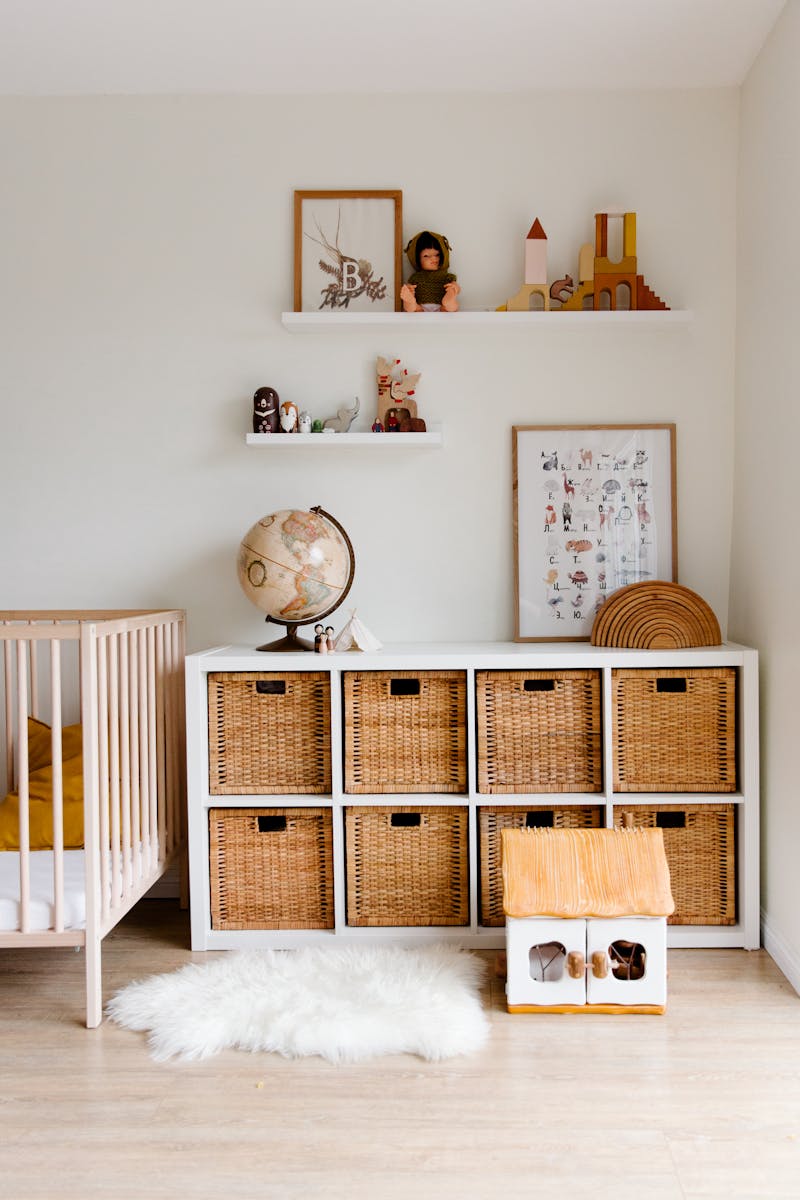
Minimalism is a lifestyle that has transcended far beyond just being a style choice; it is an ideology that aims to strip away excess in favor of simplicity and functionality. When it comes to home décor, minimalism doesn’t mean sacrificing beauty or comfort. Instead, it encourages creating spaces that are both aesthetically pleasing and practical. A major aspect of minimalist interior design is color schemes. Minimalist homes focus on creating harmony and balance through a refined selection of colors and textures that invite serenity while still evoking style.
In this guide, we will explore the minimalist approach to color schemes and home décor trends. We will break down how minimalist décor uses color to its advantage, what the current trends are, and how you can apply them in your own home to create a space that feels open, uncluttered, and calming.
Understanding Minimalism in Home Décor
Minimalism is about creating spaces that feel open, uncluttered, and calming. It promotes the idea of “less is more” while using design elements that are simple, functional, and aesthetically pleasing. In a minimalist home, every piece of furniture and décor serves a purpose. The focus is on clean lines, simplicity, and functionality. When it comes to color schemes, the minimalist approach is all about reducing the palette to a select few shades, often neutrals or muted tones, that complement each other and foster an environment of tranquility.
One of the key tenets of minimalist design is the idea that a well-chosen color palette can contribute significantly to the atmosphere of a room. The right colors can make a space feel larger, more open, and inviting. Minimalist color schemes are also about avoiding overwhelming the senses, using color as a subtle enhancement rather than a focal point. Let’s delve deeper into how color plays a role in minimalist home décor.
The Psychology of Color in Minimalism
Color has the power to influence emotions and perceptions. In minimalist design, color is used intentionally to enhance the overall mood and energy of a space. For example, neutral tones create a serene environment, while darker shades evoke a sense of sophistication. Lighter colors, on the other hand, can make small spaces feel larger and more expansive.
The minimalist approach to color avoids distractions, and instead of using bold, vibrant hues, it focuses on subtle, muted tones that harmonize with the overall aesthetic. This makes color an essential tool in creating a peaceful and organized environment.
Neutral Colors: The Backbone of Minimalist Design
When it comes to color schemes for minimalist spaces, neutral tones are often the go-to choice. These shades include whites, beiges, grays, and earthy tones like taupe, sand, and ivory. The beauty of neutral colors lies in their versatility; they provide a calm and peaceful backdrop that can work with almost any style of furniture, artwork, and accessories.
- White: White is the quintessential minimalist color. It reflects light and makes spaces feel more expansive and airy. White walls can make a room feel open and bright, providing a blank canvas for other elements to shine. It’s also incredibly versatile and works well with almost any material or texture, from wood to metal to glass.
- Beige and Taupe: Beige and taupe are warm neutrals that create a cozy, inviting atmosphere without overwhelming the senses. These colors are ideal for creating a warm, lived-in environment that still feels clean and fresh. They can be used on walls, furniture, or in textiles like rugs and throw pillows.
- Gray: Gray is often used in minimalist interiors for its sleek, modern appeal. It can range from light silvery shades to darker charcoal tones. Light gray can soften a space, while darker gray can add depth and sophistication. It’s a color that balances well with other neutral shades, and it pairs beautifully with metallic accents.
- Earthy Tones: Colors like warm browns, terracotta, olive green, and stone gray offer natural tones that connect the indoors to the outdoors. These earthy hues create a grounded, serene atmosphere and help add warmth to minimalist spaces. When paired with natural wood elements or stone finishes, they can bring an organic element to a space.
Subtle Pops of Color
Although neutral tones dominate minimalist design, a minimalist color palette does not have to be completely devoid of color. Subtle pops of color can add interest and vibrancy to a space without overwhelming it. These accents are usually placed sparingly and intentionally, such as in a throw blanket, a vase, or a piece of art.
- Pastels: Soft pastel colors like blush pink, muted lavender, or soft mint green can add a gentle, calming touch to a minimalist room. These hues are light and airy, making them perfect for spaces meant to evoke relaxation, such as bedrooms or living rooms.
- Black: While black may seem bold for minimalist décor, it can be used effectively to add contrast and sophistication. Black accents, like light fixtures, picture frames, or furniture pieces, can ground a room and provide a sense of depth. A small amount of black in a neutral space can create a striking focal point.
- Deep Blue or Navy: A deep blue or navy accent can bring richness and depth to a minimalist room. When paired with white or light gray, navy adds a sense of serenity and elegance without overwhelming the senses. It’s a perfect choice for areas like a study or home office.
- Mustard Yellow or Ochre: For those looking to introduce a bit of warmth into their minimalist design, shades like mustard yellow or ochre provide an earthy vibrancy that can make a room feel more dynamic. A single mustard-colored chair or pillow against a neutral backdrop creates a balanced, yet lively visual appeal.
The Trend of Natural Materials and Textures
Minimalist décor often emphasizes the use of natural materials, and this trend plays a significant role in the minimalist approach to color schemes. When colors are neutral, textures become a focal point. The use of materials like wood, stone, concrete, metal, and glass adds depth and visual interest to a room without overwhelming it with color.
- Wood: The use of natural wood in furniture, flooring, and accents creates a sense of warmth and organic beauty. Light wood tones, such as oak or maple, are common in minimalist homes because they complement neutral color palettes and add texture to a space without taking away from the simplicity of the design. Darker woods, like walnut or mahogany, can add a sense of sophistication and elegance.
- Stone: Stone materials like marble, limestone, and granite bring an earthy element to minimalist spaces. Marble, in particular, is a favorite for its elegant veins of color that break up the monotony of a neutral space. Stone surfaces, like countertops or accent walls, add a natural, timeless element to the décor.
- Metal and Glass: Minimalist homes often incorporate metal and glass elements to create a sleek, modern aesthetic. Stainless steel, brass, or matte black finishes on light fixtures, shelving, or furniture legs can provide subtle contrast against soft neutrals. Glass elements—whether in furniture, windows, or décor—bring in light and transparency, which enhances the feeling of openness.
- Textiles: Soft textiles like linen, cotton, and wool add comfort and warmth to minimalist interiors. While the color palette might remain neutral, the varied textures of textiles can give the space personality and depth. Throw pillows, rugs, and blankets in natural materials introduce tactile comfort without compromising the minimalist look.
Popular Minimalist Home Décor Trends
Minimalist décor trends constantly evolve, but certain elements remain at the forefront of modern design. Here are some key trends that you can incorporate into your own minimalist home to enhance the aesthetic:
- Open-Concept Living: Open spaces are a hallmark of minimalist design, as they promote fluidity and a sense of openness. Walls are minimized or removed to create expansive areas where natural light flows freely. This trend often pairs with neutral color schemes to further enhance the feeling of airiness.
- Functional Furniture: Minimalist furniture focuses on simplicity and functionality. Clean lines, multipurpose pieces, and uncluttered designs are key. Think of a streamlined sofa, a floating desk, or modular storage that maximizes space without drawing attention to itself.
- Monochromatic Palettes: Another minimalist trend is the use of monochromatic color schemes, where different shades of the same color are used throughout a room. This approach creates a cohesive, harmonious feel. For example, a living room could feature different tones of gray—from light silver to charcoal—creating depth and interest while maintaining a calm, unified aesthetic.
- Sustainable Design: As sustainability becomes an ever-present concern, eco-friendly and sustainable materials are gaining traction in minimalist décor. From upcycled furniture to organic fabrics and energy-efficient appliances, this trend aligns perfectly with the minimalist emphasis on simplicity and functionality.
- Curved Furniture: While minimalism often leans toward clean lines and geometric shapes, a growing trend in the minimalist world is the use of soft, curved furniture. Curved sofas, chairs, and tables bring a touch of warmth and flow to a minimalist space without disrupting its overall simplicity.
- Biophilic Design: The connection between humans and nature is emphasized in biophilic design. Minimalist homes are increasingly incorporating plants, natural light, and organic materials. Large windows, indoor plants, and nature-inspired artwork contribute to the sense of calm that is central to minimalist décor.
Tips for Implementing Minimalist Color Schemes in Your Home
If you’re ready to embrace a minimalist color scheme in your home, here are some practical tips:
- Start with a Neutral Base: Begin with neutral colors like white, gray, or beige for walls and major furniture pieces. This will create a serene foundation that you can build upon with subtle accents and textures.
- Limit Your Color Palette: Keep the number of colors in your room to a minimum. Focus on two or three main colors, such as shades of gray and white, or a neutral base with one accent color.
- Add Interest with Textures: Use various textures to add depth to your room. Mix and match natural materials like wood, stone, and textiles to keep the space visually interesting without adding clutter.
- Use Color Sparingly: Introduce color in small doses—whether through artwork, cushions, or a single statement piece of furniture. Let your color accents stand out without overwhelming the space.
- Balance Warm and Cool Tones: A balance of warm and cool tones can create a harmonious and inviting atmosphere. For example, a cool gray wall can be complemented with warm wooden furniture or soft beige textiles.
Conclusion
In the world of minimalist design, color plays an integral role in achieving the desired aesthetic of simplicity, serenity, and functionality. By embracing neutral tones, subtle pops of color, and a focus on natural materials and textures, minimalist décor creates spaces that feel open, uncluttered, and sophisticated. Whether you’re building a new home or renovating an existing one, applying the principles of minimalist color schemes and design trends can help you achieve a harmonious and peaceful living space.
Incorporating minimalist color schemes into your home décor is an intentional process that focuses on clean lines, thoughtful design, and a balanced use of color. By doing so, you can create a space that feels both timeless and contemporary—inviting you to relax and thrive in your own minimalist sanctuary.