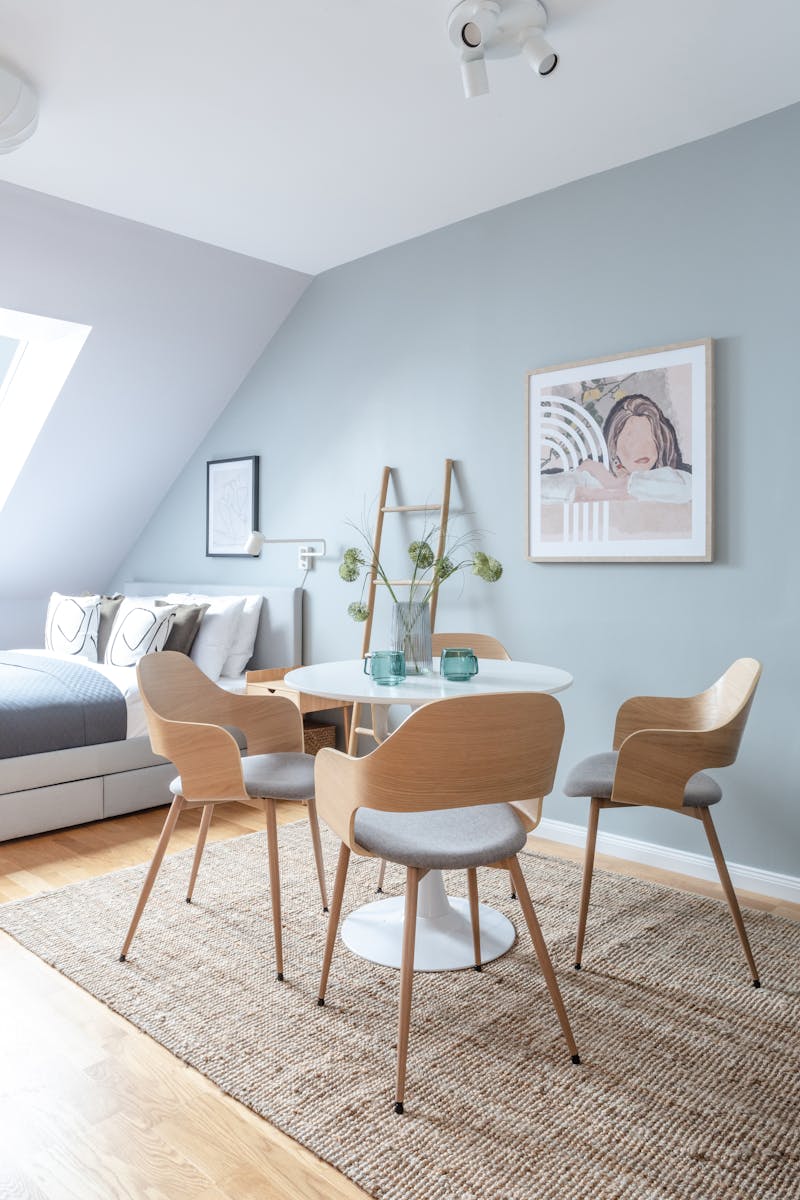
In today’s fast-paced, consumer-driven world, we are constantly surrounded by clutter. Whether it’s physical objects, digital distractions, or mental clutter, our lives often feel overwhelmed with unnecessary possessions and commitments. However, a growing movement known as the minimalist lifestyle offers an alternative: a way to simplify and declutter your life, focusing on what truly matters.
Minimalism, in its essence, isn’t about living with as little as possible but rather removing distractions and excess in order to create a more intentional, fulfilling, and purposeful life. Decluttering is a crucial aspect of this lifestyle, helping individuals shift their focus from the accumulation of material possessions to creating space for what aligns with their values and goals.
This article explores the minimalist lifestyle, how decluttering plays a role in it, and the many benefits of adopting this mindset.
What is Minimalism?
Minimalism is the art of intentional living, which encourages individuals to prioritize quality over quantity, utility over accumulation, and experiences over possessions. It’s about identifying what is truly important and eliminating everything else that distracts from that focus. While minimalism is often associated with simplifying material possessions, it can also apply to other aspects of life, such as time management, relationships, and digital spaces.
At its core, minimalism is not a one-size-fits-all approach. It’s a personal journey and can look different for everyone. Some minimalists may aim to live with just a few items, while others may prioritize creating space for meaningful experiences without adhering to strict limits on possessions. Regardless of the specific approach, the goal remains the same: to remove excess in order to make room for a more intentional and fulfilling life.
The Importance of Decluttering in Minimalism
Decluttering is an integral part of the minimalist lifestyle. It’s the process of evaluating your possessions, letting go of unnecessary items, and organizing what remains in a way that supports a simpler, more intentional life. But why is decluttering so important for those seeking a minimalist lifestyle?
1. Physical Clarity
One of the most immediate benefits of decluttering is the physical space it creates. We often don’t realize just how much physical clutter surrounds us until we start removing it. Clutter can be overwhelming, creating an environment that feels chaotic and stressful. As we clear away unnecessary items, we create a more organized and serene living space that encourages calmness, productivity, and peace of mind.
In a minimalist home, each item has a specific purpose or meaning. There’s a sense of clarity and simplicity in the environment, which has a direct impact on mental clarity as well. By decluttering physical possessions, we reduce visual noise and allow our minds to focus on what truly matters.
2. Mental Freedom
The effects of clutter aren’t just physical—they can also be deeply psychological. According to studies, clutter can contribute to feelings of stress, anxiety, and even depression. When we’re surrounded by items we don’t need or use, our minds are constantly distracted, which can lead to a sense of overwhelm.
Decluttering helps clear the mental fog by removing the distractions that hinder our ability to focus. When our environment is calm and organized, our minds are better equipped to concentrate on important tasks, leading to greater productivity and creativity. In essence, decluttering your physical space can declutter your mind, resulting in a greater sense of mental freedom and peace.
3. Emotional Well-being
For many people, possessions carry emotional weight. Items may hold sentimental value, remind us of past experiences, or represent aspirations for the future. However, the attachment we form to things can prevent us from moving forward and fully embracing the present moment. When we hold onto too many possessions, we risk being weighed down by them—both emotionally and physically.
Decluttering allows individuals to let go of items that no longer serve them, offering emotional freedom. By releasing unnecessary possessions, we can make room for new experiences, relationships, and memories. Minimalism encourages us to focus on people and experiences that enrich our lives, rather than holding onto material possessions that may no longer align with our current values.
4. Sustainability and Environmental Impact
In the context of modern consumerism, we are constantly encouraged to buy new products, often with little consideration for their environmental impact. By adopting a minimalist approach, we make more conscious decisions about the items we purchase, opting for quality over quantity.
Decluttering can also help reduce waste. Rather than throwing away items that no longer serve us, minimalists often donate or repurpose them, ensuring that they are put to good use. By reducing the amount of excess we accumulate, we lessen our overall consumption, contributing to a more sustainable and eco-friendly lifestyle.
The Process of Decluttering
Decluttering is a personal journey that involves carefully assessing your belongings and making decisions about what to keep and what to let go. While there’s no “right” way to declutter, there are several strategies that can help make the process more manageable and effective.
1. Start Small
The thought of decluttering an entire home can be overwhelming, which is why it’s often best to start small. Begin with one area of your home or one category of items (e.g., clothes, books, or kitchen gadgets). Tackling smaller areas will help build momentum and make the process feel less daunting.
Many people find success in following the “one-in, one-out” rule: for every new item you bring into your home, commit to removing one. This helps prevent the accumulation of unnecessary items and ensures that you remain intentional with your purchases.
2. Evaluate the Purpose of Each Item
As you begin decluttering, take time to evaluate each item’s purpose and value in your life. Does it serve a functional purpose? Does it bring you joy? Does it align with your values? If the answer is no, it might be time to let go.
Marie Kondo’s “KonMari Method” is one popular decluttering approach that encourages individuals to only keep items that “spark joy.” This method challenges us to question the emotional and practical value of the things we own, helping us create a space that feels intentional and meaningful.
3. Let Go of Sentimental Attachments
One of the most difficult aspects of decluttering is letting go of sentimental items. Photos, gifts, and heirlooms can carry significant emotional value, making it hard to part with them. However, minimalism isn’t about abandoning everything that holds sentimental meaning. Rather, it’s about recognizing that the emotional value of an item doesn’t necessarily require us to keep it in our physical space.
When deciding whether to keep sentimental items, consider whether they truly enhance your life or whether they’re simply taking up space. Can you preserve the memory in a photo or digital format? Is the item displayed in a way that brings you joy, or is it tucked away and forgotten? By focusing on the most meaningful items and letting go of the rest, you can honor the memories while maintaining a clutter-free space.
4. Digitize and Organize
In addition to physical items, digital clutter can also have a significant impact on our lives. Old files, photos, and emails can accumulate quickly, leading to disorganization and mental overload. To declutter your digital life, consider organizing your files into clearly labeled folders, deleting unnecessary documents, and backing up important data.
Similarly, unsubscribing from unnecessary email lists, decluttering your phone, and limiting screen time can help reduce digital distractions, allowing you to be more present in your daily life.
The Benefits of Decluttering and Adopting a Minimalist Lifestyle
The process of decluttering can be challenging, but the rewards are well worth the effort. Here are some of the key benefits of embracing minimalism and simplifying your life:
1. Increased Focus and Productivity
With fewer distractions in your environment, you’ll find it easier to focus on important tasks. Whether it’s work, creative pursuits, or self-care, minimalism helps create an environment conducive to productivity. By eliminating clutter and streamlining your routine, you can devote more energy to the things that matter most.
2. Financial Freedom
Minimalism encourages conscious spending and prioritizing experiences over material possessions. By purchasing less and focusing on quality over quantity, many people find that they can save money and reduce financial stress. With fewer material possessions to maintain, minimalists also find that they spend less time and money on upkeep and repairs.
3. More Time for What Matters
When you declutter your physical space and mental load, you free up time for the things that bring you joy and fulfillment. Whether it’s spending time with loved ones, pursuing hobbies, or simply enjoying a quiet moment, minimalism creates space for more meaningful experiences.
4. Better Relationships
A minimalist lifestyle can also improve relationships by encouraging quality time and fostering deeper connections. With fewer material distractions, people can focus more on meaningful interactions with loved ones. Minimalism also helps individuals set boundaries and prioritize their time, ensuring that they nurture their relationships with intention.
5. A Sense of Accomplishment
Decluttering and simplifying your life can bring a profound sense of accomplishment. The process of letting go of items and creating space for what truly matters can be incredibly empowering. As you clear out the physical and mental clutter, you’ll likely experience a sense of freedom and lightness, knowing that you’ve made space for what aligns with your values and goals.
Conclusion
The minimalist lifestyle, with its emphasis on decluttering and intentional living, offers a powerful antidote to the overwhelm and distractions of modern life. By simplifying our physical surroundings, letting go of unnecessary possessions, and focusing on what truly matters, we create space for a more purposeful, fulfilling existence.
Decluttering is more than just a physical act; it’s a mindset shift that encourages us to evaluate our priorities, reduce distractions, and focus on the things that bring us true happiness and contentment. By embracing minimalism, we can reclaim our time, energy, and well-being, paving the way for a life that is simpler, clearer, and more meaningful.