The Haunted Elegance of Colonial Minimalism: A Legacy of Dispossession
Imagine a meticulously curated space: stark white walls, sparse furnishings, clean lines. A picture of serenity, perhaps? But what if this “minimalist” aesthetic is a direct descendant of colonial violence, a sanitized reflection of a brutal past? This is the unsettling truth behind colonial minimalism, a style that masks its origins in exploitation and dispossession. We need to confront this uncomfortable legacy and redefine our understanding of design and its ethical implications.
The rise of colonial minimalism isn’t a coincidence. It’s deeply intertwined with the ideologies of empire. Consider the colonial administrator’s residence, often depicted as a haven of order amidst chaos. This carefully constructed image, reflecting a minimalist aesthetic, served a crucial purpose: it projected an image of control and superiority, a stark contrast to the perceived "messiness" and "backwardness" of the colonized populations. This visual strategy, meticulously documented in works like Edward Said’s Orientalism, wasn’t merely aesthetic; it was a tool of power, subtly reinforcing the hierarchy of the colonial project. The simplicity wasn’t a reflection of inherent values, but a deliberate erasure of indigenous cultures and their rich material traditions. Think of the vast quantities of handcrafted textiles, intricate carvings, and vibrant colors that were systematically suppressed in favor of the clean, pale palette of the colonizer.
This suppression extended beyond aesthetics. The economic realities of colonialism—the extraction of resources, the forced labor, the displacement of communities—directly contributed to the minimalist aesthetic’s prevalence. The deliberate simplification of spaces reflected the stripping away of indigenous wealth and cultural heritage. A stark, empty room, devoid of ornamentation, becomes a chilling symbol of this dispossession. As discussed in “Decolonizing Design” by Anika Nissen, the very notion of "good taste" in the colonial context was imposed, aligning with the power structures and furthering the marginalization of local artistic expression.
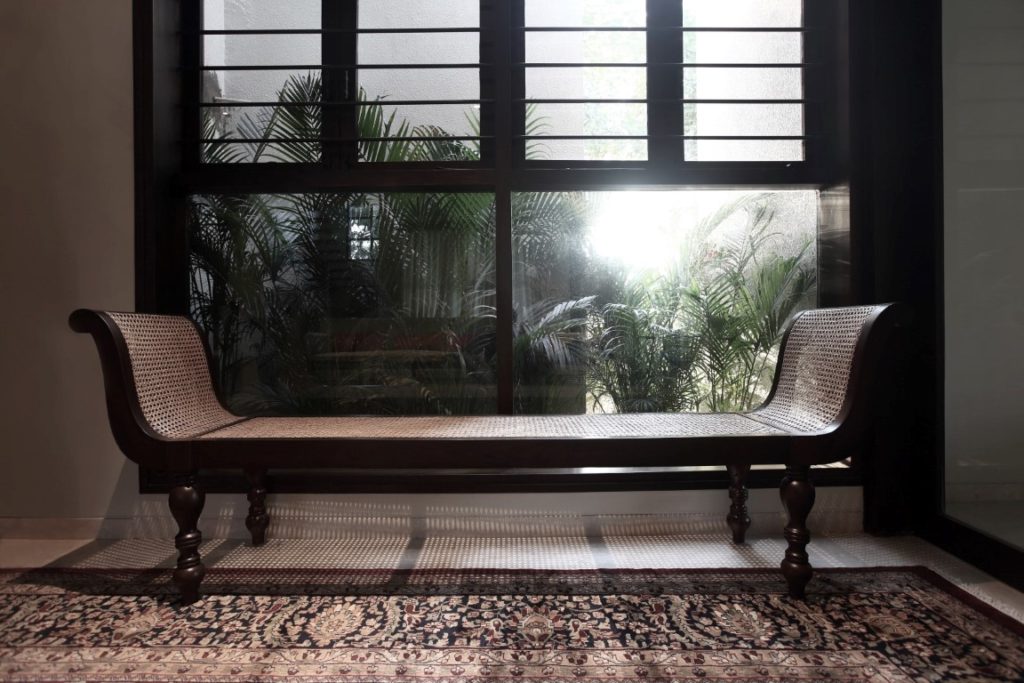
The lingering effects of colonial minimalism are undeniable. Even today, minimalist design trends often echo this historical legacy, unconsciously perpetuating a sanitized image of power and overlooking the complex histories embedded within seemingly simple forms. We see this in the pervasive use of neutral palettes, the preference for clean lines, and the emphasis on functionality over ornamentation – all characteristics that can trace their roots back to the colonial era.
The core problem isn’t simply about aesthetics; it’s about acknowledging the ethical implications of our design choices. We must move beyond a superficial appreciation of minimalist design and engage with its problematic history. Alternative solutions involve actively seeking out and celebrating indigenous art forms, supporting artisans from marginalized communities, and critically examining the origins and implications of the design choices we make. We must actively decolonize our design thinking, embracing diversity and challenging the enduring power structures embedded in seemingly neutral styles.
The future challenges are significant. As globalization continues, the potential for cultural appropriation and the perpetuation of colonial aesthetics remains a pressing concern. We must develop a more critical consciousness, fostering a deeper understanding of the historical contexts behind design trends and actively working to create a more just and equitable design landscape. The challenge lies in moving beyond mere awareness to active engagement, transforming our understanding of minimalism from a style into a conversation about ethical responsibility and cultural justice. Are we ready to confront the haunted elegance of colonial minimalism and build a future where design truly reflects inclusivity and respect?