The Enduring Appeal of Classic Minimalist House Design: A Timeless Aesthetic for a Changing World
Are you tired of homes that scream for attention, cluttered with excess and devoid of tranquility? Imagine a space that breathes, a sanctuary reflecting your inner peace – the epitome of a classic minimalist house design. This isn’t just about aesthetics; it’s a reflection of a deeper societal shift towards simplicity and intentionality.
The allure of classic minimalist house design isn’t a fleeting trend; it’s a return to fundamental principles. Think of the Bauhaus movement of the early 20th century, with its emphasis on functionality and clean lines – a direct ancestor of modern minimalist architecture. This philosophy, championed by architects like Mies van der Rohe with his iconic "less is more" mantra, rejected ornamentation in favor of pure form and functionality. This resonates powerfully today, in a world saturated with visual noise. We’re overwhelmed, and our homes, often reflecting this chaos, contribute to our stress. Is it any wonder the quiet elegance of a minimalist space is increasingly appealing?
But what constitutes a truly classic minimalist home? It’s not simply about stripping away everything. It’s about careful curation, a deliberate selection of essential elements. Think of a Japanese tea house – a space designed for contemplation, where every object holds significance. This echoes the core principle of minimalism: to prioritize quality over quantity, intentionality over impulse. This approach, documented extensively in books like "The Life-Changing Magic of Tidying Up" by Marie Kondo, is more than just decluttering; it’s a mindful approach to living.
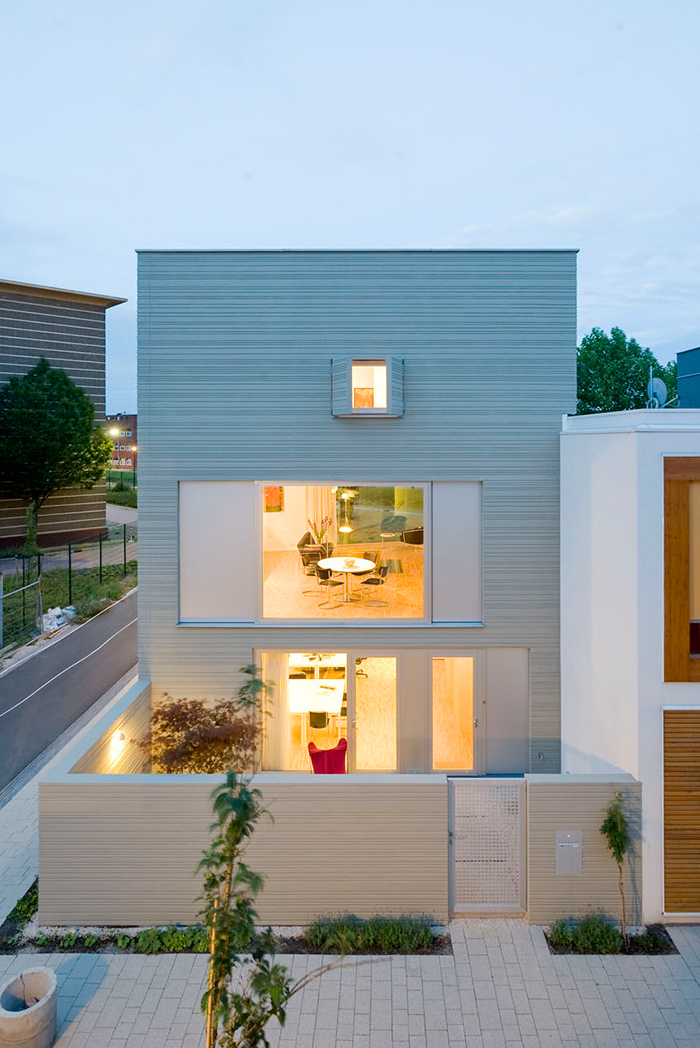
However, the rise of classic minimalist house design isn’t without its challenges. The cost of high-quality, durable materials can be significant, potentially making this aesthetic inaccessible to many. Furthermore, the perceived coldness or sterility of minimalist spaces is a common criticism. This highlights a crucial point: minimalism isn’t about austerity; it’s about intention. Warmth can be achieved through carefully chosen textures, natural light, and the strategic use of color, proving that a classic minimalist house design can be both beautiful and inviting.
So, how can we move forward, making this aesthetic more inclusive and addressing its potential pitfalls? Exploring sustainable and affordable materials, like reclaimed wood or ethically sourced bamboo, is a crucial step. Furthermore, incorporating biophilic design elements – integrating nature into the living space – can combat the perceived coldness, creating a harmonious and uplifting environment. We can also look to innovative design solutions that maximize space and natural light, ensuring accessibility for a wider range of budgets and living situations.
The future of classic minimalist house design lies in its adaptability. As climate change and resource scarcity become increasingly pressing concerns, the sustainable principles inherent in minimalist architecture will become even more vital. The challenge lies in marrying the elegance and tranquility of this aesthetic with the realities of a changing world, creating homes that are both beautiful and responsible, reflecting our values and contributing to a more sustainable future. Are you ready to embrace the simplicity and intentionality of a truly classic minimalist home? Let’s start the conversation.