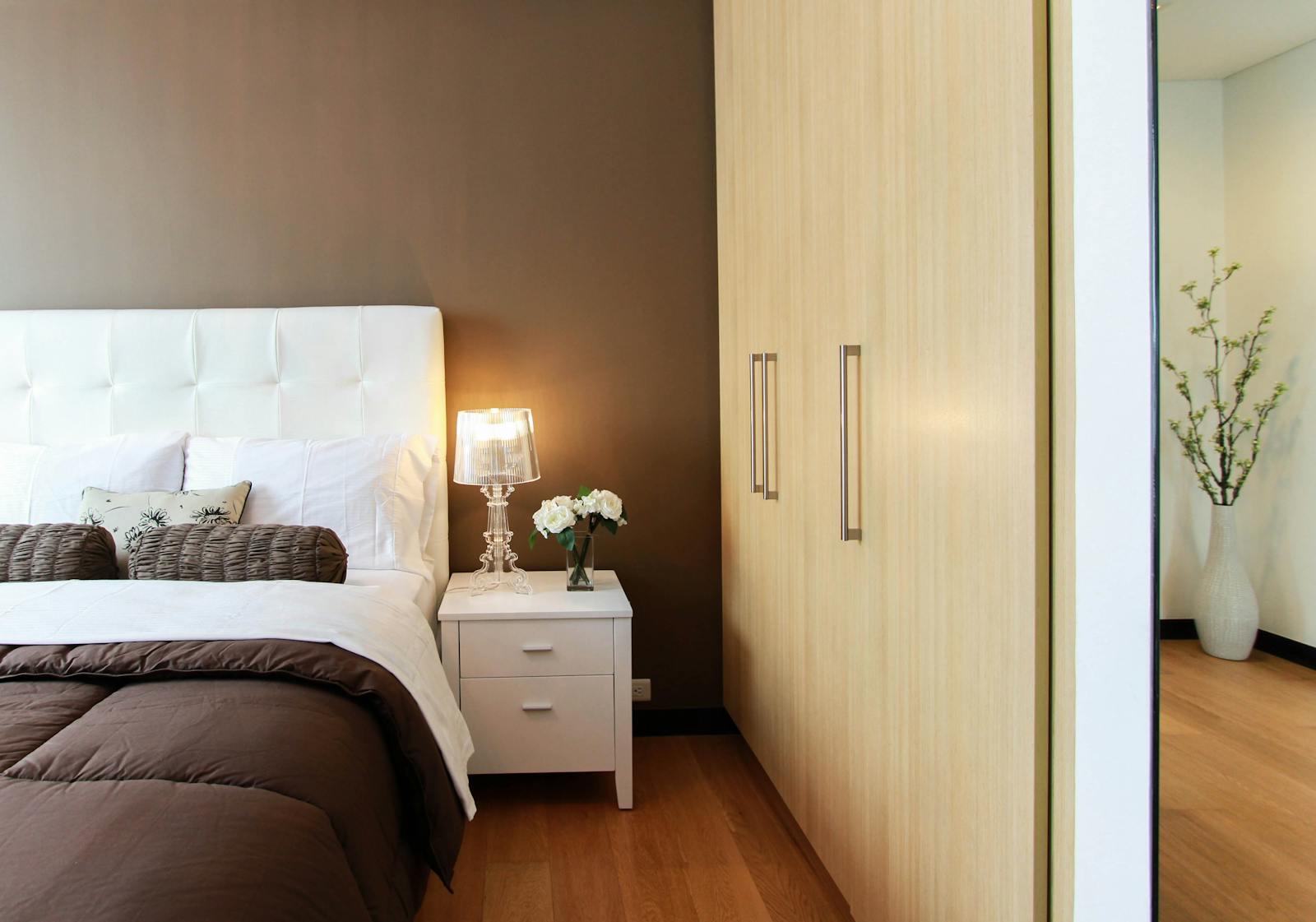
The bedroom is a sanctuary, a space designed for rest, relaxation, and intimacy. In the hustle and bustle of daily life, it becomes essential to have a retreat that offers tranquility and comfort, allowing for a restful night’s sleep and rejuvenating moments of peace. Creating a cozy bedroom retreat is both an art and a science. It’s about blending aesthetics, functionality, and comfort, while also incorporating elements that promote mental well-being. Whether you’re in the process of redecorating, or simply looking to refresh your existing space, this article will guide you through the process of creating the perfect bedroom haven.
1. The Importance of the Bedroom Retreat
Before diving into design choices, it’s important to understand why the bedroom holds such significance in our lives. The bedroom is more than just a place to sleep—it is a place of rest, intimacy, and recovery. Quality sleep has been linked to better physical health, improved mood, and greater productivity during waking hours. The space you sleep in affects your mental and emotional well-being, as well. Thus, designing your bedroom as a blissful retreat not only improves your sleep but also nurtures your soul.
The bedroom is a private sanctuary where you can retreat from the world. The décor, colors, and ambiance all contribute to the feeling of comfort, serenity, and luxury. With the right balance of style and functionality, you can transform your bedroom into a blissful escape that feels like a five-star hotel every day.
2. Design Principles for a Cozy Bedroom
When it comes to creating a cozy bedroom, a few design principles should guide your decisions. From layout and color to furniture and lighting, each element plays a role in the overall vibe of the room. Here are some key design principles to keep in mind.
Keep It Simple and Clutter-Free
Clutter is one of the quickest ways to ruin a serene environment. A bedroom full of unnecessary items, chaotic piles of clothes, and disorganized spaces can create a sense of stress and anxiety. Therefore, the first step in creating a cozy retreat is to declutter and simplify the space.
Begin by clearing the room of items that don’t belong in the bedroom. This includes items like papers, laundry, or anything that adds to the mental load. Once you’ve cleared the clutter, focus on keeping surfaces clean and organized. Choose storage solutions like baskets, bins, or drawers to keep things hidden and out of sight.
Choose a Calm, Soothing Color Palette
Color is one of the most important aspects of bedroom design. Different colors evoke different emotions, and certain tones can foster relaxation and restfulness. To create a cozy and calming atmosphere, opt for soft, muted colors such as pale blues, soft grays, light greens, and warm neutrals. These colors are proven to lower stress levels and promote restful sleep.
While soft hues are ideal for the walls, feel free to add accent colors through your bedding, pillows, and accessories. A dash of deep navy, lavender, or earthy brown can introduce warmth without overpowering the calming vibe of the room.
Incorporate Comfortable and Soft Textiles
One of the cornerstones of creating a cozy retreat is the use of plush, soft textiles. Fabrics like cotton, linen, velvet, and wool have an inviting texture and help make the space feel warm and welcoming.
Bedding is the focal point of your bedroom. Invest in high-quality sheets with a high thread count, a down comforter or duvet, and pillows that support your preferred sleep position. Opt for materials that are gentle on the skin, breathable, and hypoallergenic, ensuring a good night’s rest.
In addition to bedding, consider adding area rugs, throw blankets, and cushions throughout the room to create layers of comfort. These textiles not only add warmth and texture but also help in softening the space and providing a sense of coziness.
3. Lighting: Setting the Mood
Lighting plays a critical role in setting the tone for your bedroom. A well-lit room can feel airy and open, while softer lighting can create an intimate and soothing atmosphere. The key is to layer your lighting, combining ambient, task, and accent lighting for versatility and atmosphere.
Ambient Lighting
Ambient lighting is the primary source of illumination in a room and includes ceiling fixtures, such as chandeliers, pendant lights, or recessed lighting. For a cozy retreat, choose a light fixture that provides soft, diffused light. Dimmer switches can also be helpful, allowing you to adjust the light intensity depending on the time of day and your desired mood.
Task Lighting
Task lighting is focused lighting that helps with specific activities, such as reading in bed or applying makeup. Table lamps or wall-mounted sconces beside the bed can be practical for reading or late-night activities without disturbing your sleep environment. Choose soft-glow LED bulbs or Edison bulbs with a warm tone to create a peaceful, soothing atmosphere.
Accent Lighting
Accent lighting adds warmth and character to the room. String lights, candles, or decorative lamps can enhance the mood and create an intimate, serene space. Adding fairy lights or small decorative lamps can make the room feel more romantic and peaceful. Candles, especially those with calming scents like lavender, vanilla, or chamomile, can also improve the ambiance and make your space feel luxurious.
4. Create a Focal Point
Every room benefits from a focal point, something that draws the eye and serves as a visual anchor. In the bedroom, this is typically the bed. The bed is the centerpiece, and it should feel like a sanctuary—a comfortable and inviting area that draws you in.
Consider a statement headboard made of wood, upholstered fabric, or even a piece of reclaimed wood for a rustic touch. For added comfort, layer throw pillows, cushions, and a cozy blanket on the bed to create a plush and inviting appearance.
While the bed is the main focus, you can also create other focal points using furniture or artwork. A large piece of art or a mirror above the bed, for example, can help add visual interest to the room.
5. Incorporate Nature for Tranquility
Nature has an inherent ability to calm the mind, and introducing natural elements into your bedroom design can enhance the space’s peaceful vibe. Consider adding plants, flowers, or natural materials such as wood, stone, or cotton to your décor.
Indoor Plants
Indoor plants not only purify the air but also add color and life to the room. Choose plants with calming foliage such as snake plants, peace lilies, or ferns. Place them on windowsills, shelves, or hanging planters for a lush, green effect.
Natural Materials
Incorporating natural materials into your design can help create a more earthy, grounded feel. Wooden furniture, woven rattan, linen curtains, and stone accents all bring a sense of warmth and authenticity. These elements contribute to the feeling of being connected with nature, which is essential for relaxation.
6. Personalize the Space
To truly create a retreat, your bedroom should reflect your personality and style. This is your sanctuary, so fill it with items that bring you comfort and joy. Personal touches make a space feel more meaningful and connected to you.
Display Personal Artwork or Photos
Add framed photographs, artwork, or personal mementos that hold sentimental value. A piece of art that makes you smile or a photo of a loved one can remind you of happy memories and foster a positive mood.
Indulge in Scent and Sound
Scent is another powerful factor in creating a cozy atmosphere. Use diffusers, scented candles, or essential oils to introduce relaxing aromas like lavender, sandalwood, or eucalyptus. These scents can help promote sleep and create a calm environment.
Sound can also play a role in your retreat’s atmosphere. White noise machines, a gentle playlist, or ambient soundtracks can help mask external noise and create a serene, sleep-friendly environment. Choose sounds that soothe you—whether it’s gentle rainfall, nature sounds, or soft music.
7. Functional and Practical Elements
While style and comfort are important, don’t forget the practical side of your bedroom design. Functionality is key to creating a space that works for you on a daily basis.
Storage Solutions
A bedroom retreat should be clutter-free, but that doesn’t mean sacrificing storage. Invest in furniture that doubles as storage, such as under-bed drawers, storage ottomans, or bookshelves. This will help keep things organized while maintaining a peaceful and tidy environment.
Optimal Bed Placement
The placement of your bed is an essential element in creating a restful atmosphere. Ensure that your bed is positioned in a way that maximizes airflow, light, and comfort. A common feng shui recommendation is to place the bed against a solid wall with a clear view of the door but not directly in line with it. This allows for a sense of control over the space and promotes feelings of safety and relaxation.
Conclusion: The Blissful Bedroom Retreat
A cozy bedroom retreat is about more than just a place to sleep—it’s a place where you can unwind, recharge, and escape the stresses of the day. By combining thoughtful design choices with elements of comfort, style, and personalization, you can create a space that promotes relaxation and peace.
Whether you’re looking for a serene, minimalist environment or a warm, eclectic sanctuary, the key is to prioritize comfort, functionality, and a calming atmosphere. By following the principles outlined in this guide, you’ll soon have a bedroom that feels like your very own blissful retreat.
With the right combination of color, textiles, lighting, and personalized touches, your bedroom can become the ultimate haven for rest and rejuvenation. Remember, the art of bedroom bliss is not just about aesthetics—it’s about crafting a space where you can truly relax and recharge.