
The Allure of White: Embracing Minimalist Home Decor
I’ve always been drawn to the clean lines and calming effect of a minimalist aesthetic. But for years, I resisted the all-white look. It felt too stark, too clinical, too…boring. I envisioned a sterile environment, devoid of personality and warmth. The images that popped into my head were those sterile dentist offices, bright and blinding, but ultimately lacking in soul. I craved color, texture, the comforting embrace of a lived-in space. Then, something shifted. I started seeing minimalist white spaces differently, not as cold and empty, but as blank canvases waiting to be filled with carefully curated pieces that spoke to my soul. It wasn’t about stripping away everything; it was about choosing what truly mattered, what resonated with my aesthetic, and what brought me joy. It’s about intentionality, not deprivation. I realized the key wasn’t avoiding color altogether, but using white as a foundation to highlight the beauty of carefully chosen accents. The shift in perspective was profound, and it led me down a rabbit hole of exploring the subtle nuances of white, the various textures that could be incorporated, and the surprisingly versatile nature of this often-misunderstood hue. It’s a journey I’m still on, and it’s been incredibly rewarding.
The Psychology of White in Interior Design
White, in its purest form, is a symbol of simplicity, purity, and new beginnings. It’s a blank slate, a neutral backdrop that allows other elements to shine. But beyond its symbolic meaning, white has a powerful psychological impact on our living spaces. Think about it – walk into a brightly lit, white room and immediately you feel a sense of spaciousness, a lightness that can be surprisingly uplifting. It’s not just about the absence of color; it’s about the way white reflects light, creating a sense of airiness and openness that can make even the smallest room feel larger. This is especially crucial in smaller apartments or homes where maximizing the sense of space is key. The clean, uncluttered aesthetic promotes a sense of calm and tranquility, reducing visual clutter and promoting a sense of peace. This is something I’ve personally experienced; the transition to a predominantly white space has noticeably reduced my feelings of overwhelm and stress. The feeling of calm isn’t just a placebo effect; studies have shown that exposure to white can actually lower blood pressure and heart rate, contributing to a more relaxed state of mind. It’s about creating a sanctuary, a haven where you can escape the chaos of the outside world and simply breathe. And that’s incredibly valuable in today’s fast-paced world. The subtle variations in white – from crisp, bright white to creamy off-white – can also dramatically alter the mood of a room, offering a level of customization that’s often overlooked. It’s not a one-size-fits-all solution; it’s about finding the right shade of white that complements your personal style and the natural light in your space. The psychology of color is a powerful tool, and understanding the impact of white is key to creating a truly functional and aesthetically pleasing minimalist space.
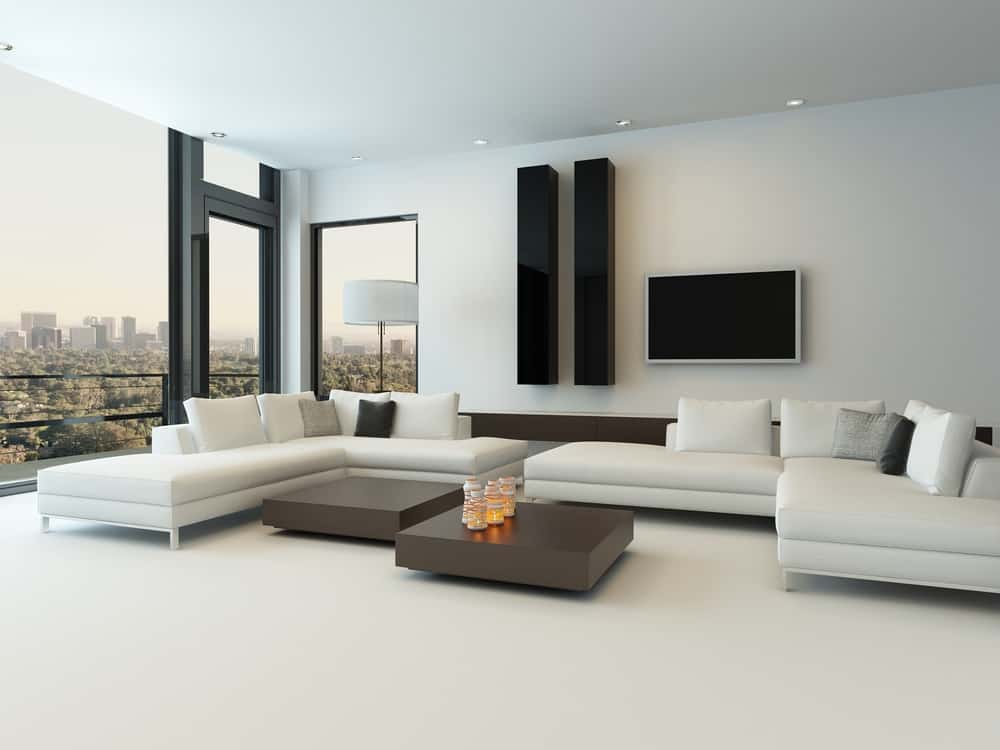
It’s also worth noting the impact of white on light. In rooms with limited natural light, a carefully chosen shade of white can help to maximize the available illumination, creating a brighter, more welcoming atmosphere. Conversely, in rooms bathed in sunlight, a warmer, creamier white can prevent the space from feeling too stark or cold. This careful consideration of light and shade is crucial in achieving a balanced and harmonious minimalist aesthetic. The interplay of light and white creates depth and texture, preventing the space from feeling flat or lifeless. Think about the way sunlight streams through a window, illuminating dust motes dancing in the air; it’s a subtle beauty that’s often overlooked in more cluttered environments. In a minimalist white space, these details become more prominent, adding to the overall sense of tranquility and serenity. It’s a subtle dance between light and shadow, a delicate balance that takes time and attention to master. But the reward is a space that feels both elegant and effortlessly comfortable, a place where you can truly relax and unwind. It’s about creating a space that’s both visually appealing and emotionally restorative. The subtle nuances of light and white working together create something truly special.
Beyond the psychological aspects, the practical benefits of white in minimalist design are undeniable. White walls, for example, make a room feel larger and brighter, which is particularly beneficial in smaller homes or apartments. They also provide a neutral backdrop that allows you to easily change your decor without having to repaint the walls every time you feel like a change. This adaptability is a huge advantage, allowing for flexibility and spontaneity in design choices. Furthermore, white is remarkably versatile; it can be paired with virtually any color or material, making it an ideal base for incorporating pops of color or texture without overwhelming the space. This versatility is a key component of the minimalist aesthetic, allowing for a curated and intentional approach to design. The simplicity of white allows the personality of the homeowner to shine through in carefully selected accents and furniture, creating a space that’s both stylish and personal. It’s about showcasing your individuality, not conforming to a rigid aesthetic. It’s about curating a space that truly reflects who you are.
Choosing the Right Shades of White
Navigating the world of white paint can feel overwhelming. There are countless shades, each with its own subtle undertones that can dramatically alter the overall feel of a room. It’s not just about choosing “white”; it’s about finding the perfect white. Warm whites, with hints of cream or beige, create a cozy and inviting atmosphere, perfect for living rooms or bedrooms. Cool whites, with subtle gray or blue undertones, offer a more modern and sophisticated feel, ideal for kitchens or bathrooms. And then there are the off-whites, the greiges, the eggshells – the options are seemingly endless. The key is to consider the natural light in your space. North-facing rooms, which tend to receive less direct sunlight, might benefit from a warmer white to prevent them from feeling too cold and stark. South-facing rooms, on the other hand, might be better suited to a cooler white to avoid feeling overly bright or harsh. This delicate balance is crucial in creating a space that feels both inviting and sophisticated. Consider the size of your room as well. In smaller rooms, a brighter white can help to make the space feel larger and more open. Larger rooms can handle warmer, creamier tones without feeling cramped. It’s about understanding the subtle nuances of light and color and how they interact with your living space.
I remember spending weeks agonizing over paint swatches, holding them up against different walls at various times of day, trying to capture the perfect shade. It felt like a monumental task, but the result was worth the effort. The subtle difference between, say, a warm white and a cool white, can transform the entire mood of a room. A warm white can make a space feel instantly more inviting and comforting, while a cool white can impart a sense of modern elegance. The undertones are crucial; a hint of gray can add a sophisticated touch, while a subtle yellow can create a warmer, more welcoming ambiance. It’s about finding that perfect balance that complements your personal style and the overall aesthetic you’re trying to achieve. Don’t be afraid to experiment! Buy sample pots and paint small sections of your walls to see how the color looks in different lighting conditions. Take your time, and don’t rush the process. The perfect shade of white is out there; it just takes a little patience and attention to detail to find it. And the reward is a space that feels truly yours, a space that reflects your unique personality and style.
Beyond the walls, consider the white in your furniture, textiles, and accessories. A crisp white sofa can create a sense of airy spaciousness, while white linen curtains can add a touch of understated elegance. But remember, even within the world of white, there’s a spectrum of textures and tones. A chunky knit throw blanket adds a layer of warmth and texture, contrasting beautifully with the smooth surface of a white coffee table. A woven rug in off-white introduces a natural element, adding depth and visual interest. The key is to introduce a variety of textures and materials to prevent the space from feeling too flat or monotonous. This is where the artistry of minimalist design truly shines – in the careful curation of elements that create a sense of harmony and balance. It’s not about stripping away everything; it’s about choosing what truly matters, what adds to the overall aesthetic, and what brings you joy. It’s about creating a space that is both visually stunning and emotionally resonant. The subtle interplay of textures and tones within the white palette is what elevates a minimalist space from sterile to sublime.
Incorporating Texture and Accents
The beauty of a white minimalist space lies in its ability to showcase texture and carefully chosen accents. It’s not about a lack of personality, but a curated expression of it. Think about the subtle variations in texture: the smooth, cool surface of a marble countertop, the rough, organic feel of a linen throw blanket, the warm, inviting grain of a light-colored wood floor. These contrasting textures create visual interest and depth, preventing the space from feeling flat or monotonous. The key is to introduce these textures thoughtfully, creating a sense of balance and harmony. It’s about layering textures, creating a visual rhythm that’s both pleasing to the eye and engaging to the touch. Imagine the soft caress of a cashmere throw against the cool smoothness of a marble table – it’s a sensory experience that adds another dimension to the minimalist aesthetic. It’s not just about what you see, but what you feel.
And then there are the accents. A single, striking piece of art, a vibrant throw pillow, a beautifully crafted vase – these are the elements that bring personality and warmth to the space. It’s about choosing items that resonate with you, that tell a story, that reflect your personal style. These accents shouldn’t be overwhelming; they should be carefully chosen and strategically placed, adding pops of color or texture without disrupting the overall sense of calm and serenity. It’s about creating a space that is both stylish and personal, a reflection of your individual taste and aesthetic. It’s about finding that delicate balance between simplicity and personality, between minimalism and expression. It’s about creating a space that is both visually stunning and emotionally resonant. The carefully chosen accents elevate the space beyond mere functionality, transforming it into a sanctuary, a place of peace and tranquility. It’s about creating a space that truly nourishes your soul.
Don’t be afraid to experiment with different materials. Natural materials like wood, stone, and linen add warmth and texture, while metallic accents can introduce a touch of sophistication. The key is to create a sense of balance and harmony, ensuring that the different materials complement each other rather than clash. It’s about creating a cohesive look that feels both intentional and effortless. This careful curation of textures and materials is what distinguishes a truly successful minimalist space from one that feels sterile and impersonal. It’s about creating a space that feels both visually stunning and emotionally resonant. It’s about finding that perfect balance between simplicity and personality, between minimalism and expression. It’s a delicate dance, a careful balancing act, but the result is a space that is both beautiful and deeply personal, a reflection of your unique style and aesthetic. It’s about creating a space that is more than just a room; it’s a sanctuary, a haven, a reflection of your soul.