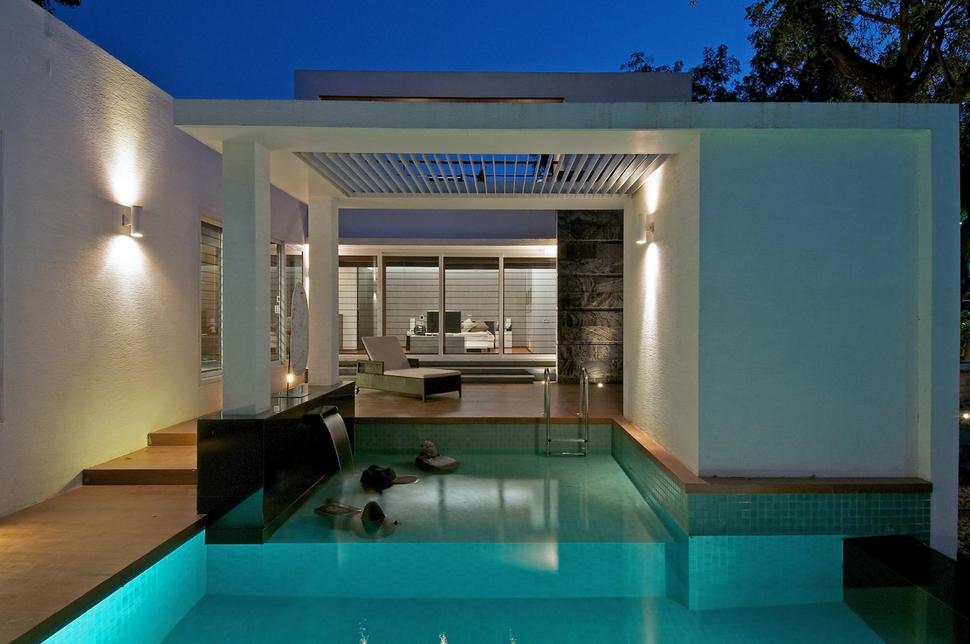
The Allure of the Modern Minimalist Bungalow: A Sanctuary in a Cluttered World
Imagine a home, a haven, free from the suffocating weight of excess. A space that breathes, that reflects your essence, not the trends of a fleeting consumer culture. This is the promise of the modern minimalist bungalow, a design philosophy increasingly relevant in our fast-paced, over-saturated world. But is it just a trendy aesthetic, or something more profound?
The bungalow, historically a modest dwelling, has undergone a remarkable transformation. From its humble origins in India, spreading through colonial empires and evolving into a symbol of suburban America, it now serves as a canvas for contemporary design. The modern minimalist bungalow takes this heritage and refines it, stripping away the unnecessary to reveal a core of functionality and beauty. Think of it as a sculptor chiseling away at excess marble to reveal the stunning statue within.
This minimalist approach isn’t simply about aesthetics; it’s a reflection of a growing societal unease with consumerism. Studies from organizations like the Ellen MacArthur Foundation highlight the unsustainable nature of our "take-make-dispose" economy, creating mountains of waste and contributing to climate change. The modern minimalist bungalow, with its emphasis on sustainable materials, reduced footprint, and mindful design, offers a powerful counterpoint to this trend. It challenges the notion that happiness lies in accumulating possessions, suggesting instead that true contentment resides in intentional living and a connection to nature.
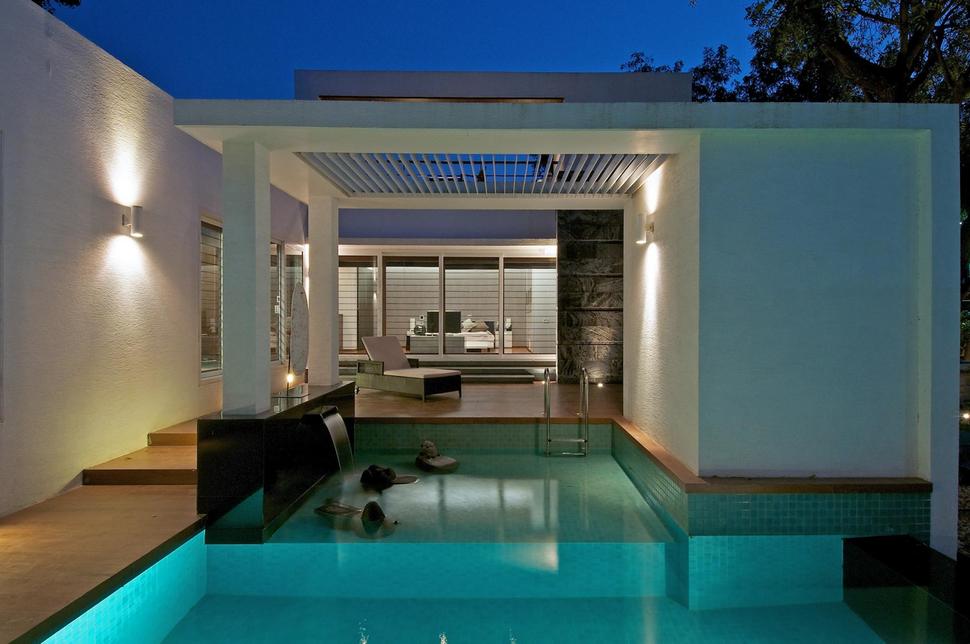
But achieving this minimalist ideal isn’t without its challenges. The very concept of "minimalism" can feel elitist, inaccessible to those struggling with financial constraints or limited living spaces. The high cost of ethically sourced, sustainable materials can make a truly minimalist home seem out of reach for many. This raises crucial questions: Can minimalism truly be democratized? How can we create sustainable, beautiful homes that are accessible to all, regardless of socioeconomic status?
One solution lies in embracing a spirit of creative reuse and repurposing. Integrating vintage or reclaimed materials into the design of a modern minimalist bungalow not only reduces environmental impact but can also add unique character and affordability. Open-source design platforms and collaborative building projects can further democratize access to sustainable building practices. Furthermore, promoting local craftsmanship and supporting small, ethical businesses can create a more equitable and sustainable building industry.
The future of the modern minimalist bungalow hinges on our ability to address these challenges. As urbanization accelerates and climate change intensifies, the need for sustainable and mindful living becomes increasingly urgent. The modern minimalist bungalow, therefore, is not just a design trend; it represents a potential paradigm shift, a conscious choice to live lighter, simpler, and more sustainably on our planet. It’s a call to action – to rethink our relationship with consumption, to prioritize quality over quantity, and to build a future where beauty and sustainability go hand in hand. Are you ready to embrace the simplicity and serenity of this architectural vision?