The Allure and Anxiety of the American Minimalist House: A Reflection on Modern Living
Imagine a home, stripped bare of excess, a sanctuary of clean lines and uncluttered spaces. This is the promise of the American minimalist house, a potent symbol of our times, yet one fraught with complexities. But is this minimalist ideal truly attainable, and at what cost? Is it a utopian vision or a reflection of deeper anxieties in our society?
The rise of the American minimalist house isn’t an isolated phenomenon. It mirrors broader cultural shifts: the increasing awareness of consumerism’s environmental impact, a yearning for simplicity amidst overwhelming technological advancements, and a subtle rejection of the "more is more" mentality that defined much of the 20th century. Think of the stark beauty of Frank Lloyd Wright’s Fallingwater, a pioneering example of integrating architecture with nature, or the clean, functional designs of mid-century modernism, which subtly paved the way for today’s minimalist aesthetic. These historical precedents demonstrate a long-standing American fascination with streamlined living, albeit with different underlying motivations.
However, the contemporary American minimalist house, often showcased in glossy magazines and aspirational Instagram feeds, presents a more nuanced picture. Is it truly a reflection of sustainable living, or a luxury commodity, accessible only to a privileged few? The cost of ethically sourced materials, the skilled labor required for such precise construction, and the often-exclusive neighborhoods where these homes reside, paint a picture far removed from the egalitarian ideals minimalism often espouses. This raises a crucial question: Is minimalist living a genuine solution to societal problems, or merely a sophisticated form of conspicuous consumption?
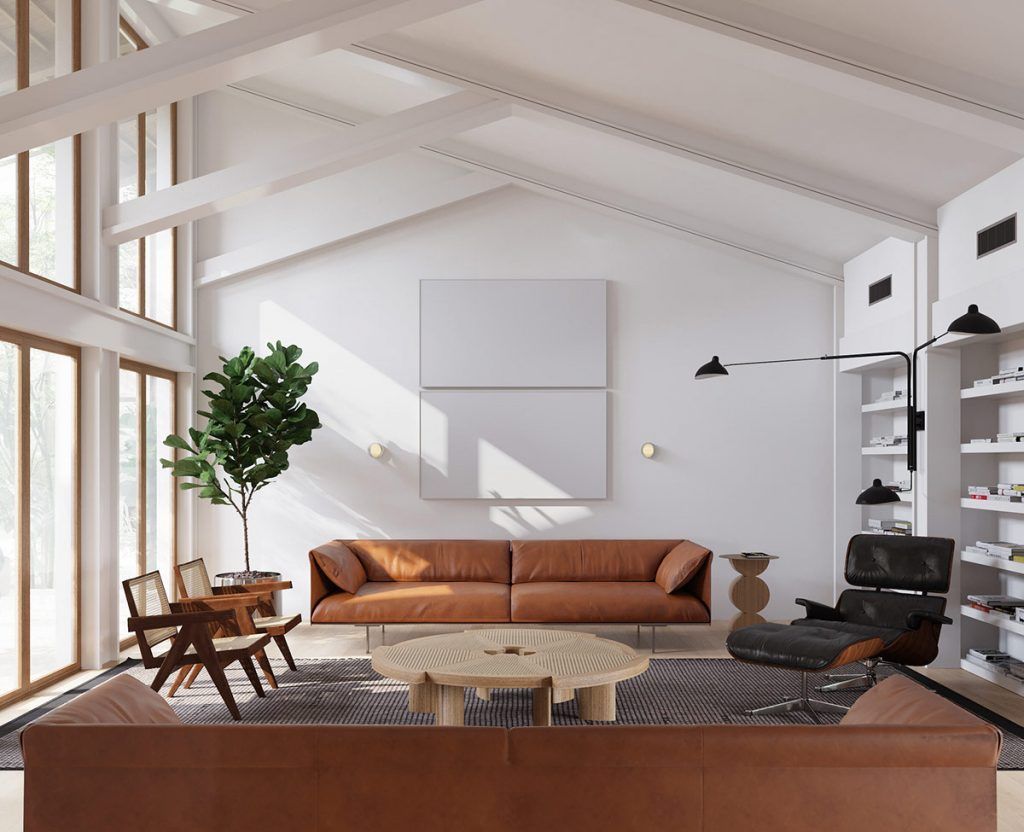
Data supports this concern. Studies by the Environmental Protection Agency (EPA) consistently highlight the environmental impact of construction, demonstrating that even "green" building practices come with a significant carbon footprint. Furthermore, research from organizations like the American Institute of Architects (AIA) indicates a disparity in access to sustainable housing options, highlighting a critical social justice issue. The American minimalist house, therefore, becomes a symbol of both aspiration and inequality.
So, what are the alternatives? Perhaps the focus should shift from the aesthetic ideal of minimalism to the underlying principles of mindful consumption and sustainable living. This could involve embracing repurposed materials, prioritizing energy efficiency in existing homes, and fostering community-based initiatives promoting affordable, eco-friendly housing solutions. Instead of chasing the unattainable image of the perfect American minimalist house, we should strive for a more inclusive and equitable approach to sustainable living.
The future challenges are significant. Climate change necessitates a drastic shift in our consumption patterns, and the growing inequality gap exacerbates the difficulty of accessing sustainable housing. The American minimalist house, in its current form, risks becoming a symbol of this very divide. But by critically examining its underlying assumptions and exploring alternative approaches, we can move beyond the aspirational image and toward a more just and sustainable future. What steps will you take to contribute to this change? The answer, perhaps, lies not in the architecture itself, but in the values it reflects.