
Taming the Chaos: My Journey to a Spark-Joying Life with Marie Kondo’s Decluttering Tips
My apartment was a disaster. Clothes spilled from overflowing drawers, books precariously stacked threatened to topple, and kitchen counters resembled a geological survey of forgotten takeout containers. It was chaos, beautiful in its own disorganized way, but ultimately suffocating. I knew I needed a change. That’s when I discovered Marie Kondo and her life-changing decluttering method. This wasn’t just about tidying; it was about transforming my relationship with my belongings and, ultimately, myself.
My journey began hesitantly. I’d read "The Life-Changing Magic of Tidying Up" several times, each time feeling a mixture of inspiration and overwhelming dread. The idea of tackling my entire life’s accumulation of stuff in one fell swoop felt daunting, even paralyzing. But the image of a serene, organized space – a space that truly reflected me – kept me going. I knew I had to start somewhere.
Embracing the “Spark Joy” Philosophy
Marie Kondo’s core philosophy revolves around the concept of "spark joy." It’s not about discarding everything you own; it’s about keeping only those things that bring you genuine happiness. This sounds simple, but it’s a profound shift in perspective. It forces you to confront your attachment to objects, to understand why you’re holding onto things, and to let go of what no longer serves you. This wasn’t just about getting rid of clutter; it was about getting rid of emotional baggage.
The initial process felt strangely intimate. Holding each item, from a worn-out t-shirt to a chipped teacup, forced me to confront the memories and emotions associated with it. Some items sparked joy – a handmade scarf from my grandmother, a favorite book that transported me to another world. Others, however, felt heavy, weighed down by guilt or regret. Letting go of those items felt like releasing a burden. It was surprisingly liberating.
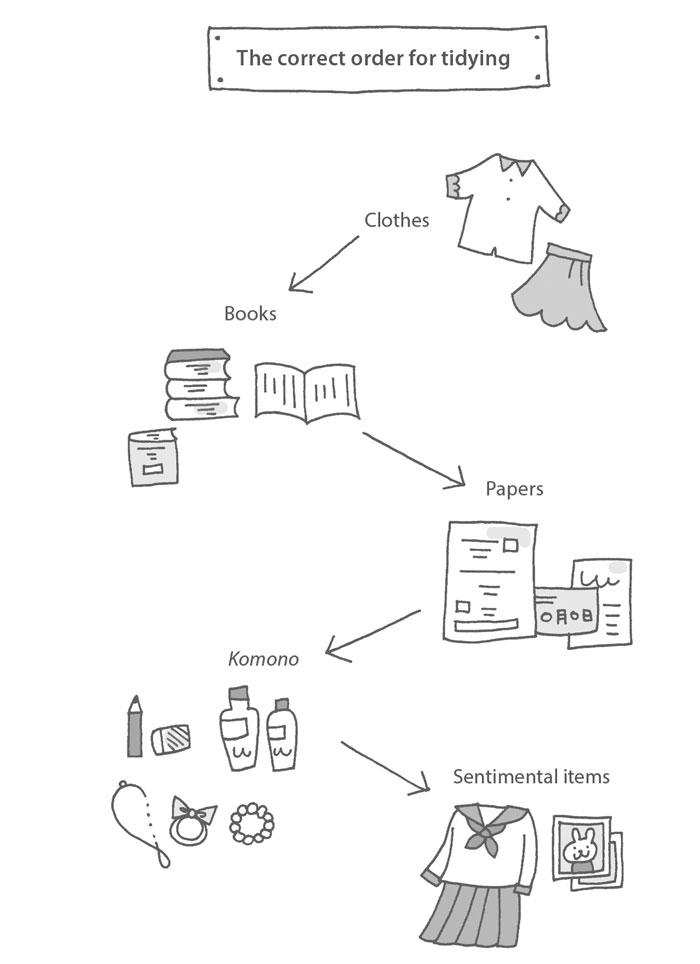
It wasn’t always easy. Sentimental items proved the most challenging. Photographs, letters, gifts – each held a piece of my past. Kondo suggests thanking each item for its service before letting it go. This act of gratitude, surprisingly, made the process easier. It acknowledged the item’s role in my life, allowing me to move on with a sense of peace. I started to see that the memories weren’t tied to the objects themselves, but to the experiences they represented.
The process of thanking each item before discarding it wasn’t just a ritual; it was a way to honor the past while embracing the future. It was a way to acknowledge the role these objects played in my life, even the ones I no longer needed. I found myself feeling a sense of closure, a lightness I hadn’t felt before. This wasn’t just about decluttering my home; it was decluttering my mind.
The Power of Vertical Folding
Kondo’s method extends beyond simply discarding unwanted items. It’s about how you store and organize what remains. Her signature vertical folding technique, for example, is a game-changer. By folding clothes into upright rectangles and storing them vertically in drawers, you can see everything at a glance. This simple act dramatically increases storage space and makes finding what you need a breeze.
I initially resisted. My drawers were a jumbled mess of haphazardly folded and crumpled clothes. The thought of meticulously refolding everything seemed overwhelming. But I persevered, and the results were astonishing. My drawers, once overflowing and chaotic, became neat and organized, almost like a beautifully curated boutique. It was visually appealing, but more importantly, it was functional.
The vertical folding method wasn’t just about aesthetics; it was about respecting my clothes. By treating each garment with care, folding it neatly and storing it upright, I felt a renewed appreciation for my wardrobe. It’s a small detail, but it made a significant difference in my overall approach to my belongings. It became a mindful practice, a way to connect with my clothes and appreciate their value.
It’s a surprisingly meditative process. The repetitive act of folding, the careful placement of each garment, created a sense of calm and focus. It was a small act of self-care, a moment of mindfulness amidst the chaos of daily life. This simple act transformed my relationship with my clothes, turning a chore into a meditative practice.
Categorizing, Not Room by Room
Kondo emphasizes categorizing your belongings, rather than tackling each room individually. This means starting with one category – clothes, for instance – and decluttering everything in that category before moving on to the next. This prevents you from getting bogged down in one area and allows for a more comprehensive and efficient approach.
This approach initially seemed counterintuitive. I was used to decluttering room by room, tackling one space at a time. But Kondo’s method forced me to confront the sheer volume of my belongings in each category, which made it easier to identify patterns of hoarding and make more informed decisions about what to keep and what to let go. It was a more holistic approach to decluttering.
This methodical approach prevented me from simply shifting clutter from one area to another. It forced me to truly confront the volume of my belongings within each category, allowing me to make more conscious decisions about what to keep and what to discard. This thoroughness was crucial to the success of the entire process.
By tackling one category at a time, I could focus my energy and attention more effectively. This prevented decision fatigue, that feeling of being overwhelmed by the sheer amount of choices to make. It allowed me to make more mindful and intentional decisions about each item. The process became less daunting and more manageable.
The Joy of Letting Go
Letting go is perhaps the most challenging aspect of Kondo’s method. It requires a willingness to confront your attachment to objects, to acknowledge that some things no longer serve you, and to make space for what truly matters. It’s not about discarding everything; it’s about creating a space where you can thrive.
The act of letting go wasn’t always easy. There were moments of hesitation, of second-guessing, of clinging to items out of habit or sentimentality. But with each item I released, I felt a sense of lightness, a sense of freedom. It was like shedding a weight I hadn’t even realized I was carrying.
It’s a process of self-discovery. Letting go of material possessions allowed me to let go of emotional baggage, of anxieties and regrets that were attached to certain objects. It was a liberating experience, a step towards a more mindful and intentional life. It was a freeing process, and a crucial step in creating the space I needed for growth and peace of mind.
The space created by decluttering wasn’t just physical; it was mental and emotional. Letting go of unnecessary possessions allowed me to create space for new experiences, new ideas, and a renewed sense of self. It was a transformative process, one that extended far beyond the realm of tidying.
Maintaining the Spark
Once the initial decluttering is complete, the real challenge lies in maintaining the newfound order. Kondo suggests regularly reviewing your belongings, ensuring that everything still sparks joy. This prevents the accumulation of clutter and helps you stay connected to your belongings.
This ongoing process is crucial. It prevents the gradual accumulation of clutter that can quickly undo all the hard work. Regular reviews help maintain the sense of order and calm that was achieved through the initial decluttering process. It’s about being intentional and mindful of what you bring into your home.
It’s about being more selective in your purchases. Before buying anything new, ask yourself if it truly sparks joy. This simple question can prevent impulsive buys and keep your space clutter-free. This intentional approach helps maintain the serene environment you’ve created.
Maintaining the spark isn’t about perfection; it’s about intentionality. It’s about regularly reviewing your belongings, ensuring that everything still serves a purpose and brings you joy. It’s a continuous process of self-reflection and refinement, a commitment to living a more intentional life.
Beyond Tidying: A Transformation of Self
My journey with Marie Kondo’s decluttering tips wasn’t just about tidying my apartment; it was about tidying my mind and my life. It was a process of self-discovery, of confronting my attachment to objects and letting go of what no longer served me. It was a journey towards a more mindful, intentional, and joyful existence.
The transformation wasn’t immediate; it was gradual, a process of growth and self-reflection. But the results were profound. My apartment is now a haven of peace and tranquility, a space that reflects my values and aspirations. More importantly, I feel lighter, more focused, and more connected to myself.
This experience taught me the importance of intentionality, of being mindful of my possessions and my relationship with them. It taught me the value of letting go, of creating space for what truly matters. It was a transformative journey, one that I am eternally grateful for.
The impact extends beyond the physical space of my apartment. It has influenced my approach to other areas of my life, from my work to my relationships. It’s a philosophy that continues to shape my choices and actions, guiding me towards a more fulfilling and joyful life. It’s a journey that continues, a commitment to living a life that truly sparks joy.