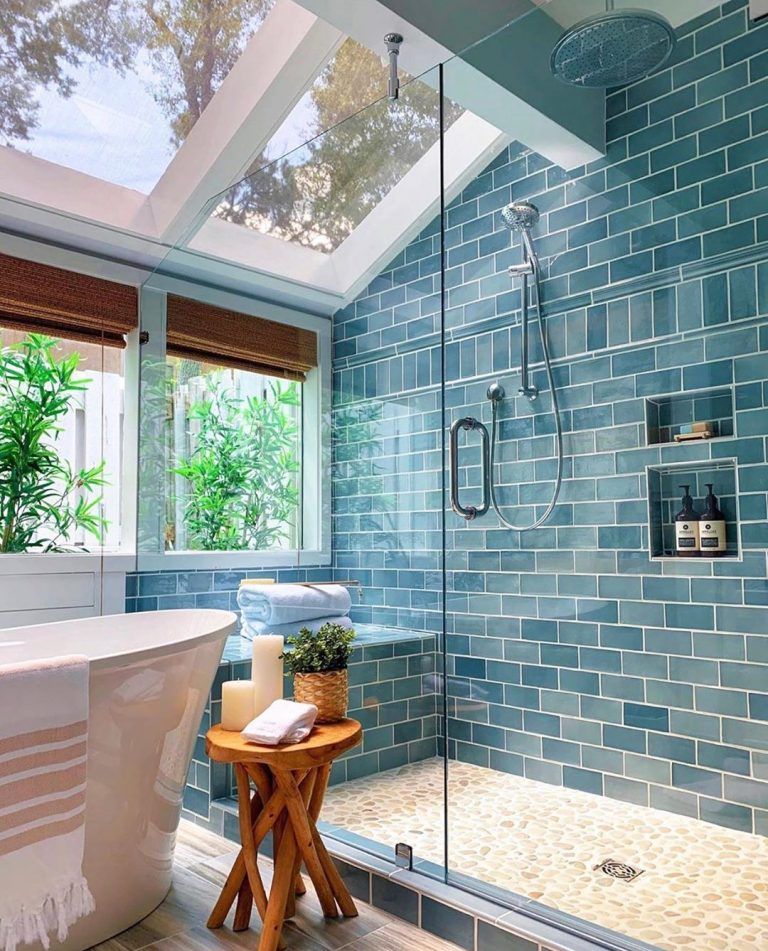
Simple Bathroom Tile Designs with Shower: A Journey to Your Dream Bathroom
Okay, so you’re thinking about tackling a bathroom remodel, huh? Maybe it’s that tired old avocado green suite from the 70s, or perhaps just a desire for a fresher, more modern space. Either way, the tiles are often the first thing that springs to mind, and rightfully so! They’re the backbone of the design, setting the tone for the whole room. But let’s be honest, choosing bathroom tiles can feel overwhelming. There are so many options, sizes, colors, and materials to consider! It’s easy to get lost in the endless scrolling through Pinterest and Houzz, feeling more confused than ever. This isn’t about some high-end, designer overhaul. We’re focusing on simple, effective bathroom tile designs that are achievable, stylish, and won’t break the bank. We’re going to navigate this together, step by step, so you can end up with a bathroom you absolutely love. We’ll talk about choosing the right tiles, practical considerations for shower areas, and even touch upon the fun part – adding those personal touches that truly make it yours.
Choosing the Right Tiles: Size, Shape, and Material
First things first: let’s talk about the tiles themselves. The size and shape you choose dramatically impact the overall feel of the space. Large format tiles, like those 12×24 or even larger, create a sleek, modern look, especially in smaller bathrooms. They minimize grout lines, giving the illusion of more space and making cleaning a breeze. However, larger tiles can be a bit more challenging to install, and any imperfections in the wall are more noticeable. Smaller tiles, like subway tiles (the classic 3×6 inch), offer a timeless and versatile look. They’re perfect for adding a classic, traditional feel or a touch of retro charm, depending on the color and grout choice. They’re also easier to work with if you’re tackling the project yourself, and they can help disguise minor wall imperfections. Then there are mosaics, those tiny little tiles that can create stunning patterns and textures. Mosaics are great for adding intricate details to a shower surround or as an accent wall, but they are definitely more labor-intensive to install.

Beyond size and shape, the material of your tiles is crucial. Ceramic tiles are a budget-friendly and durable option, available in a huge range of colors and finishes. Porcelain tiles are even more durable and water-resistant, making them ideal for shower areas and high-traffic zones. They’re also less porous than ceramic, meaning they’re easier to clean and less susceptible to staining. Natural stone tiles, like marble or travertine, add a touch of luxury and elegance. However, they are more expensive and require more careful maintenance, as they are more prone to staining and etching. Consider your lifestyle and budget when making this decision. If you have a busy family and prefer low-maintenance, ceramic or porcelain might be the better choice. If you’re willing to put in a little extra effort for a more luxurious feel, natural stone could be a fantastic option. Don’t forget to consider the slip resistance of your chosen tile, especially for the shower floor. There are specific tiles designed for wet areas that offer excellent grip to prevent accidents. Think about the overall aesthetic you want to achieve – a clean, minimalist look, a warm and inviting feel, or something bold and dramatic. Let the material and size of your tiles help you bring that vision to life. This is where your personal style truly starts to shine through.
Think about the grout too. It’s easy to overlook, but the grout color can significantly impact the final look. A contrasting grout color can make the tiles pop, while a matching grout creates a more seamless and minimalist appearance. Consider the practicality as well; lighter-colored grout can show dirt more easily than darker grout. If you’re aiming for a low-maintenance bathroom, darker grout might be a better choice. The grout itself also comes in different materials, some being more durable and water-resistant than others. Epoxy grout, for instance, is a popular choice for shower areas because of its superior water resistance and stain resistance. It’s a slightly more expensive option, but the long-term benefits often outweigh the initial cost. Remember, this isn’t just about picking pretty tiles; it’s about choosing materials that will withstand the daily wear and tear of a busy bathroom, and choosing grout that will complement your tiles and stand the test of time. It’s about finding that perfect balance between aesthetics and practicality.
Shower Tile Design Ideas: Simple Elegance
Now, let’s focus on the shower area. This is often the focal point of the bathroom, so you want to get it right. A simple and effective approach is to use a single tile throughout the shower, maintaining consistency and a sense of spaciousness. This works particularly well with larger format tiles, creating a clean, modern look. You can add a touch of visual interest by using a different tile for the shower floor, perhaps something with a textured surface for better grip. This subtle contrast can add depth without overwhelming the space. Consider a darker shade for the floor to help disguise dirt and water marks.
Another popular option is to create a feature wall within the shower area. This could be a contrasting tile color or a different material altogether, such as natural stone or mosaic tiles. A vertical band of accent tiles can add visual height, while a horizontal band can make the shower feel wider. The key here is to keep it simple; a single feature wall is usually enough to make a statement without making the shower feel cluttered. Think about incorporating some subtle patterns or textures to add visual interest without being overly fussy. A simple geometric pattern or a subtle linear design can add a touch of sophistication without detracting from the overall simplicity of the design.
Don’t underestimate the power of a well-chosen grout color in the shower. As mentioned earlier, darker grout can help disguise dirt and water stains, making the shower easier to maintain. However, if you’re using light-colored tiles, a lighter grout can create a brighter and more airy feel. The contrast between the tiles and the grout can significantly impact the overall look, so take your time to experiment with different combinations before making a final decision. And remember, the shower is a wet area, so choosing a waterproof grout is essential to prevent mold and mildew growth. Proper sealing is also crucial to protect the grout and the tiles themselves. Think about the long-term maintenance implications when choosing your materials and colors. A little bit of forethought can save you a lot of hassle down the line. The shower is a hardworking part of the bathroom, so make sure your tile choices can handle it.
Adding Personal Touches: Beyond the Basics
Once you’ve nailed the basics – the tile size, shape, material, and shower design – it’s time to inject some personality into your bathroom. This is where you can really make it your own. Think about adding a few simple touches that reflect your style and preferences. A patterned border tile, for example, can add a touch of elegance without being overwhelming. A simple geometric pattern or a subtle floral design can create a focal point and add visual interest. Consider placing this border tile around the shower surround or as an accent strip along the bottom of the wall.
Another simple way to personalize your bathroom is through the use of accessories. A stylish shower caddy, a fluffy bathmat, and some decorative hand towels can transform the space. These small details can add warmth and personality, making the bathroom feel more inviting and comfortable. Choose accessories that complement your tile choices, creating a cohesive and stylish overall look. Don’t be afraid to experiment with different textures and colors to create a unique and personal touch. Remember, the goal is to create a space that you love spending time in, a sanctuary where you can relax and unwind.
Finally, consider the lighting. Good lighting is essential for a functional and aesthetically pleasing bathroom. Recessed lighting can create a clean and modern look, while a statement pendant light can add a touch of drama and personality. Think about the placement of the lighting to highlight the tilework and create a warm and inviting atmosphere. Natural light is always a bonus, so consider maximizing natural light sources where possible. Consider adding a mirror with integrated lighting for a functional and stylish touch. The lighting can significantly impact the mood and feel of the room, so choosing the right lighting fixtures is crucial for creating the perfect ambiance. These seemingly small details can make a big difference in the overall look and feel of your bathroom, turning it from just a functional space into a personal haven.
Budgeting and Planning: Making it Happen
Before you dive headfirst into your bathroom tile project, take some time to plan and budget. This will help you stay on track and avoid any nasty surprises. Start by measuring your bathroom accurately to determine the amount of tile you’ll need. It’s always a good idea to buy a little extra to account for cuts and breakage. Then, research the cost of the tiles, grout, and other materials you’ll need. Don’t forget to factor in the cost of labor if you’re not planning to install the tiles yourself.
Next, create a realistic budget. Bathroom renovations can be expensive, so it’s important to set a budget and stick to it. Consider prioritizing the areas that will have the biggest impact, such as the shower and the floor. You can save money by choosing less expensive tiles for less visible areas, such as the walls above the shower. Consider shopping around for the best deals on tiles and materials, and don’t be afraid to negotiate. Remember, there are many ways to achieve a stylish and functional bathroom without breaking the bank.
Finally, create a timeline for your project. This will help you stay organized and ensure that the project is completed on time. Consider breaking the project down into smaller, manageable tasks. This will make the process less overwhelming and help you stay motivated. Don’t be afraid to ask for help if you need it. There are many resources available online and in your local community to help you with your bathroom renovation project. With careful planning and budgeting, you can transform your bathroom into a stylish and functional space without overspending. Remember, it’s about creating a space that you love, and that’s achievable even on a budget. Enjoy the process, and celebrate your achievements along the way. Your dream bathroom is within reach!