
Simple Bathroom Tile Designs: A Budget-Friendly Guide
Let’s talk bathroom tiles. I’ve renovated a few bathrooms in my time – enough to know the sheer overwhelm that can hit you when faced with the seemingly endless choices. It’s not just about picking a pretty color; it’s about durability, maintenance, and of course, budget. We all want that spa-like retreat, but the price tag shouldn’t send us running for the hills. So, let’s dive into some simple yet stylish bathroom tile designs that won’t break the bank. I’m going to focus on practicality and aesthetics, keeping in mind that many of us are juggling multiple projects and need a design that’s easy to achieve without sacrificing style. We’ll also touch on price points, because let’s be honest, that’s a huge factor for most of us.
The beauty of a simple design lies in its versatility. Think about a classic subway tile – a timeless choice that works in almost any bathroom. The rectangular shape, typically in white or a light neutral, instantly brightens the space and creates a clean, crisp feel. You can easily find subway tiles in various materials, from ceramic to porcelain, affecting the price considerably. Ceramic tends to be the more budget-friendly option, perfect for those working with a tighter budget. Porcelain, while more expensive, offers superior durability and water resistance, making it a worthwhile investment in the long run, especially in high-moisture areas like showers. Consider the size of the tile too; larger subway tiles can create a more modern feel, while smaller ones offer a more traditional aesthetic. Remember that the grout color can also dramatically impact the overall look. A contrasting grout color can add visual interest, while a matching grout creates a seamless, minimalist effect. The cost of installation will vary depending on the size of your bathroom and the complexity of the design, but with subway tiles, the installation process is relatively straightforward, potentially saving you money on labor costs. Ultimately, the simplicity of subway tiles allows for flexibility in design and material choices, impacting the overall price in a positive way.
If you’re aiming for a more modern feel without spending a fortune, consider large-format tiles. These are generally more expensive per tile, but because you need fewer to cover the same area, the overall cost can be surprisingly manageable. Large format tiles, often 12×24 inches or larger, create a clean, uncluttered look, minimizing grout lines and giving the illusion of a larger space. They are particularly effective in smaller bathrooms where you want to maximize the feeling of spaciousness. The color choices here are vast, from cool greys and blues to warmer beiges and creams. Again, porcelain is a popular and durable choice for large-format tiles, but you can find more affordable options in ceramic, especially if you’re willing to compromise slightly on durability. The installation of large-format tiles requires a bit more precision, so factor that into your budget – it might be slightly more expensive than installing smaller tiles. However, the overall effect is worth the investment, offering a contemporary and sophisticated look without excessive complexity. Think about how the lighting will interact with the large, smooth surfaces; this can significantly impact the overall feel of your bathroom.
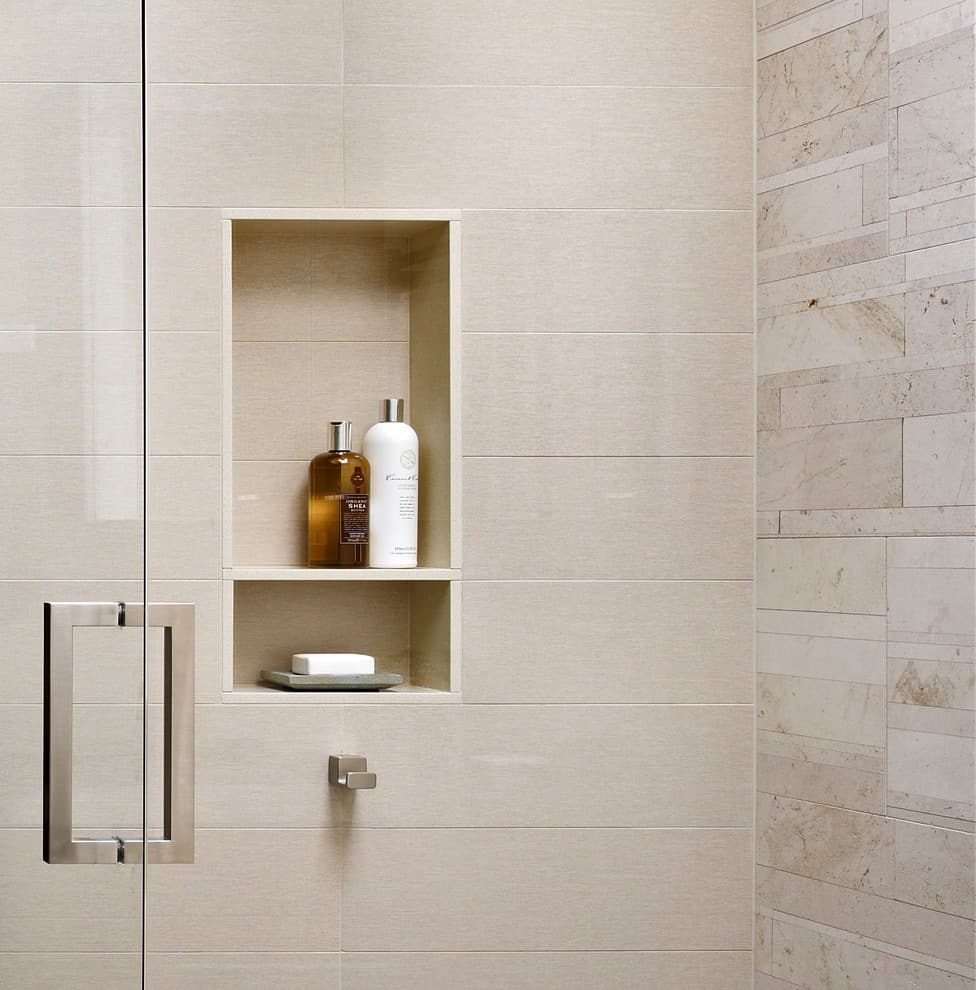
Another budget-friendly option that’s surprisingly versatile is using a single color tile throughout the entire bathroom. This creates a cohesive and calming atmosphere, and it simplifies the design process considerably. The cost savings come from the simplicity of the installation and the reduced need for multiple tile types. You can choose a neutral shade like white, beige, or grey to create a timeless and classic look, or opt for a bolder color to make a statement. This approach works particularly well in smaller bathrooms, where a consistent color scheme can help to make the space feel larger and more open. Consider the texture of the tile; a slightly textured tile can add depth and visual interest without overwhelming the space. The price point here will depend largely on the material and finish of the tile, with ceramic being the most affordable option. Remember to consider the maintenance aspect of your chosen color; lighter colors tend to show dirt less easily than darker shades. This is a truly practical choice for those who prefer a clean and simple aesthetic without the fuss of intricate patterns or multiple colors.
Choosing Your Tile Material: A Price Breakdown
Now, let’s talk about the materials themselves and how they impact your budget. Ceramic tiles are generally the most affordable option, making them a great choice for those on a tight budget. They’re available in a wide range of colors and styles, offering plenty of versatility. However, ceramic tiles are generally less durable than porcelain tiles, making them less ideal for high-traffic areas or areas prone to moisture. The price point for ceramic tiles varies greatly depending on the size, finish, and design, but you can generally find affordable options for under $2 per square foot. Porcelain tiles, on the other hand, are more expensive but offer superior durability and water resistance. They’re also less porous than ceramic tiles, making them easier to clean and maintain. Porcelain tiles are a great investment for bathrooms, particularly for floors and shower areas, but expect to pay anywhere from $3 to $10 per square foot, depending on the features.
Natural stone tiles, such as marble, travertine, or slate, offer a luxurious look and feel, but they come with a hefty price tag. These tiles are typically more expensive than ceramic or porcelain, and they require more specialized installation and maintenance. Natural stone tiles can add significant value to your home, but they’re not the most budget-friendly option, often costing upwards of $10 per square foot, and sometimes significantly more depending on the rarity and quality of the stone. The price can fluctuate considerably depending on the availability of the stone and the market conditions. It’s worth considering the long-term maintenance costs, as natural stone tiles can be prone to staining and etching. If you are considering natural stone, research the specific type of stone you are interested in and factor in the cost of sealing and regular maintenance.
Another popular choice is glass tile. Glass tiles offer a sleek, modern look and are available in a wide range of colors and finishes. They’re also relatively easy to clean and maintain. However, glass tiles can be more expensive than ceramic or porcelain tiles and can be more prone to chipping or cracking. The price point for glass tiles can vary quite a bit, depending on the size, color, and finish. You can find some affordable options, but expect to pay more for high-end glass tiles with unique designs or finishes. Consider the fragility of glass tiles when choosing them for high-traffic areas or areas prone to impacts. The reflective properties of glass tiles can also be a significant factor in how they brighten and affect the overall feel of your bathroom space.
Adding Personality Without Breaking the Bank: Simple Design Tricks
Now that we’ve covered the basics of tile materials and costs, let’s explore some simple design tricks that can add personality and visual interest to your bathroom without significantly impacting your budget. One easy way to add a touch of personality is by using a contrasting grout color. A darker grout color can make lighter tiles pop, while a lighter grout can create a more subtle and elegant look. The cost of grout is relatively minimal, but it can make a significant difference in the overall appearance of your tile installation. Experiment with different grout colors to see what works best with your chosen tiles. This is an inexpensive way to dramatically alter the feel of the room.
Another affordable way to add visual interest is to create a simple border or accent strip using a different tile color or pattern. This can be as simple as using a contrasting color of the same tile type or incorporating a small patterned tile to add a focal point. This technique can add a touch of elegance without being overwhelming. The cost of this addition will depend on the amount of accent tile needed, but it’s generally a relatively inexpensive way to enhance your bathroom’s design. Consider using a contrasting tile in the shower area to create a visually appealing feature. This technique is particularly effective in larger bathrooms where a small area of contrasting tile can make a big impact.
Finally, don’t underestimate the power of accessories. Adding simple accessories, such as a new shower curtain, bath mat, or towels, can significantly impact the overall look and feel of your bathroom without breaking the bank. These accessories can add color, texture, and personality to your space, complementing your chosen tile design. Choosing accessories that complement your tile color scheme can create a cohesive and stylish bathroom. This is a particularly cost-effective way to update the look of your bathroom, as accessories are generally much cheaper than replacing tiles. Remember that small details can make a big difference in creating a space you love.
Remember, creating a beautiful and functional bathroom doesn’t have to be expensive. By focusing on simple designs, budget-friendly materials, and clever design tricks, you can achieve a stylish and personalized space without breaking the bank. The key is planning and research; take your time to explore your options and find the perfect combination of style and functionality for your needs and budget. Happy tiling!