
My Tiny Living Room, My Big World: Mastering Minimalist Apartment Living
Moving into my first apartment felt like a monumental achievement. Freedom! Independence! But the reality hit hard when I saw the living room – or rather, the lack of living room space. It was tiny. Incredibly tiny. My carefully curated collection of furniture suddenly felt like an overwhelming invasion. This was my introduction to the fascinating, and sometimes frustrating, world of minimal apartment living room design.
My initial reaction was panic. Where would I put my comfy armchair? My beloved bookshelf overflowing with novels? My collection of quirky ceramic frogs? The space felt suffocating, a stark contrast to the spacious dreams I’d harbored. I spent the first few weeks feeling claustrophobic, constantly bumping into furniture and wishing for a larger space.
The Great Purge: Saying Goodbye to Clutter
The obvious solution, though initially daunting, was to declutter. I started small, tackling one area at a time. First, the books. I ruthlessly donated or sold duplicates and books I hadn’t touched in years. It felt liberating, like shedding a heavy coat on a hot summer day. The sheer weight of unnecessary possessions was surprisingly impactful.
Next, I tackled the knick-knacks. The ceramic frogs, while adorable, were taking up valuable space. I kept a few favorites, carefully selecting pieces that truly resonated with me. The rest found new homes. Each item I let go of felt like a small victory, opening up both physical and mental space. This process of ruthless decluttering is essential to mastering minimal apartment living room design.
The purge extended to clothes, shoes, and kitchenware. I adopted the "one in, one out" rule, ensuring that for every new item I acquired, something else had to go. This conscious consumption approach significantly reduced the accumulation of clutter. The whole experience was surprisingly therapeutic, a process of self-reflection and intentional living.
This mindful decluttering wasn’t just about freeing up physical space; it was about freeing my mind. The less clutter I had, the less mental clutter I experienced. I felt lighter, more focused, and strangely, more content. My tiny apartment, once a source of stress, began to feel more like a sanctuary.
Furniture: Function Over Form in a Minimal Apartment Living Room
With the clutter gone, I focused on the furniture. My initial instinct was to cram as much as possible into the limited space. But I quickly realized that this approach only amplified the cramped feeling. The key, I discovered, was to prioritize functionality and multi-purpose furniture.
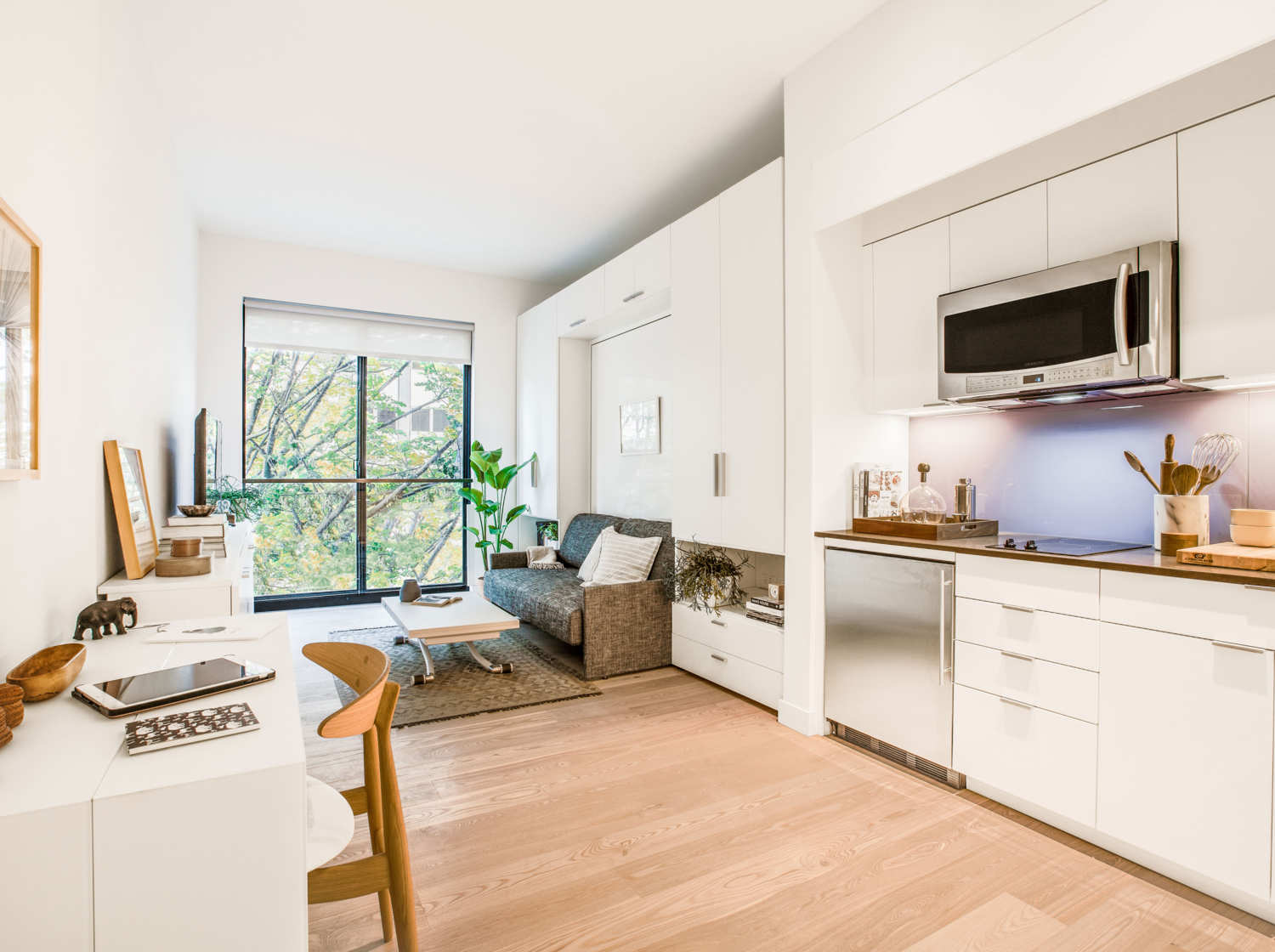
A sofa bed became my savior. It provided seating during the day and a comfortable bed at night, maximizing the use of a limited floor space. I opted for a sleek, minimalist coffee table with storage underneath, providing a place to put drinks and additional storage. This strategic furniture selection was crucial to making the small space feel more functional and less cramped.
I chose a wall-mounted shelving unit instead of a bulky bookcase. This freed up valuable floor space and allowed me to display my favorite books and decorative items without overwhelming the room. Every piece of furniture was carefully considered, ensuring it served a practical purpose and didn’t visually clutter the space.
The color palette was equally important. I chose light and neutral colors for the walls and furniture, creating an airy and spacious feel. This simple design choice made a huge difference in how the room felt. The light colors reflected the light, making the room feel larger than it actually was. This is a simple but impactful trick when designing a minimal apartment living room.
Light and Space: Illusions of Grandeur in a Small Apartment
My tiny living room lacked natural light, making it feel even smaller and darker. To counteract this, I invested in bright, strategically placed lighting. A floor lamp in the corner added a warm glow, while a ceiling light provided overall illumination. This multi-layered lighting approach made a significant difference in the room’s ambiance and perceived size.
Mirrors were my next weapon in the battle against cramped spaces. A large mirror placed opposite a window created the illusion of depth and expanded the visual space. The reflection of light also brightened the room considerably. This simple trick dramatically improved the feeling of spaciousness.
I also minimized the use of heavy curtains, opting instead for sheer, light-colored drapes. These allowed natural light to filter through while maintaining privacy. This simple change made the room feel brighter and more open. The overall effect was a transformation from a dark, cramped space to a bright, airy room.
The combination of strategic lighting and mirrors worked wonders. My tiny living room, once a source of frustration, now felt surprisingly spacious and inviting. The strategic use of light and reflective surfaces was instrumental in creating this illusion of grandeur, a key element of successfully navigating minimal apartment living room design.
Decor: Less is More, and Quality Matters
Minimalist living isn’t about sacrificing style; it’s about curating a space that reflects your personality and preferences without overwhelming it with clutter. I focused on a few key decorative pieces that held sentimental value or added a touch of personality to the room.
A few carefully chosen plants added life and vibrancy to the space. They also helped purify the air and create a more calming atmosphere. Simple, yet impactful, they enhanced the room’s aesthetic without overwhelming it. The strategic placement of these plants also helped to break up the space visually.
I avoided mass-produced items, opting instead for handcrafted pieces or vintage finds. These unique items added character and a sense of individuality to the space, avoiding the generic look of mass-market decor. The quality of the pieces, rather than quantity, became the focus.
This mindful approach to decorating transformed the living room from a sterile, empty space into a cozy and inviting haven. The carefully chosen items added personality without sacrificing the minimalist aesthetic. It was a perfect blend of style and functionality, a testament to the power of less.
Embracing the Minimalist Lifestyle: More Than Just a Living Room
Living in a minimal apartment living room has taught me more than just how to arrange furniture. It’s been a journey of self-discovery, forcing me to confront my attachment to material possessions and prioritize experiences over things.
The process of decluttering and simplifying my living space extended to other areas of my life. I became more mindful of my consumption habits, buying only what I truly needed and appreciating the quality of the items I owned. This mindful approach extended beyond my apartment, impacting my overall lifestyle.
I found myself spending more time engaging in activities I enjoyed and less time worrying about accumulating more things. This shift in focus brought a sense of peace and contentment that I hadn’t experienced before. Minimalism, I realized, was more than just a design aesthetic; it was a lifestyle choice.
This journey of adapting to a minimal apartment living room has been transformative. It’s taught me the value of intentionality, the importance of quality over quantity, and the surprising joy of living with less. My tiny living room, once a source of anxiety, is now a sanctuary – a testament to the beauty and practicality of minimalist living. It’s a space that reflects my values and priorities, a space that feels both cozy and liberating. And that, to me, is priceless.