My Simple Life: Escaping the Rat Race and Embracing Intentional Living
Are you trapped on the hamster wheel? Do you find yourself endlessly chasing more – more money, more possessions, more status – only to feel emptier than ever? The relentless pursuit of the "American Dream" (or its global equivalents) has left many feeling lost and unfulfilled. This article explores the growing movement towards "my simple life," examining its roots, its challenges, and its potential to reshape our future.
The yearning for a simpler life isn’t new. Think of Thoreau’s Walden Pond experiment, a deliberate retreat from 19th-century societal pressures. Or consider the monastic traditions throughout history, emphasizing spiritual growth over material accumulation. These historical examples highlight a persistent human desire to strip away the superfluous and focus on what truly matters. But today, the call for "my simple life" resonates with a new urgency, fueled by climate anxiety, economic inequality, and a widespread sense of burnout.
The core problem isn’t simply about possessions; it’s about our relationship with them. Consumerism, fueled by relentless marketing and social media, creates a perpetual cycle of desire and dissatisfaction. We’re constantly bombarded with messages telling us we need the latest gadget, the trendiest clothes, the biggest house – all to achieve a happiness that remains elusive. This relentless pursuit often comes at a significant cost: environmental degradation, increased stress, and a diminished sense of self-worth. Research from the University of British Columbia, for example, consistently demonstrates a correlation between materialism and lower levels of life satisfaction.
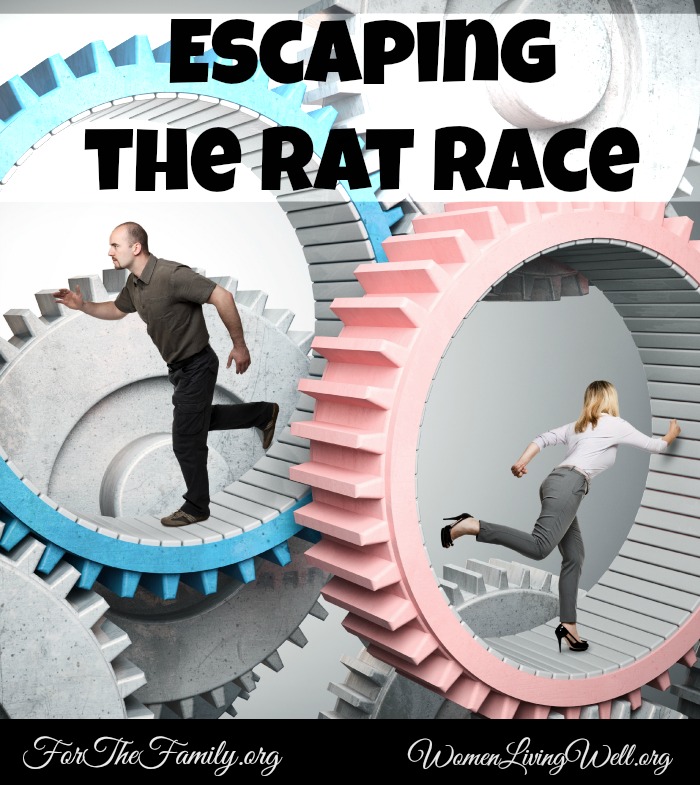
But what are the alternatives? Embracing "my simple life" isn’t about deprivation; it’s about intentionality. It’s about consciously choosing what adds value to your life and letting go of the rest. This might involve downsizing your living space, simplifying your work, cultivating meaningful relationships, or prioritizing experiences over material possessions. The minimalist movement, with its emphasis on intentional living and mindful consumption, offers a powerful framework for this shift. Books like "The Life-Changing Magic of Tidying Up" by Marie Kondo provide practical strategies for decluttering our physical spaces and, more importantly, our minds.
The transition to a simpler life isn’t without its challenges. Social pressures, economic anxieties, and ingrained habits can make it difficult to break free from the consumerist cycle. Furthermore, the future presents its own set of obstacles. The increasing digitalization of our lives, while offering convenience, can also exacerbate feelings of overwhelm and comparison. The rise of the gig economy, while offering flexibility, often lacks the stability and security of traditional employment, potentially making a simpler life harder to achieve.
However, the potential rewards are immense. A simpler life can lead to reduced stress, increased happiness, stronger relationships, and a greater sense of purpose. It allows us to focus on what truly matters – our health, our loved ones, our passions. It allows us to contribute meaningfully to the world, rather than simply consuming its resources.
The path to "my simple life" is personal and unique. It requires introspection, courage, and a willingness to challenge societal norms. But the question remains: Are you willing to step off the hamster wheel and embark on this transformative journey? What small steps can you take today to simplify your life and cultivate a deeper sense of purpose and fulfillment? The future depends on our collective ability to choose intentionality over endless acquisition, simplicity over complexity, and meaning over materialism.