My Minimalist Home: Decluttering Your Life in a Cluttered World
Are you drowning in stuff? Feeling overwhelmed by possessions that weigh you down, both physically and mentally? Building my minimalist home wasn’t about deprivation; it was about liberation. It’s about reclaiming your time, energy, and mental space in a world obsessed with consumption. This isn’t just about tidying up; it’s about a fundamental shift in how we live.
The 20th century saw a dramatic increase in consumerism, fueled by mass production and targeted advertising. Think of the iconic images of overflowing American garages, depicted in countless sitcoms and films. This abundance, however, has come at a cost. Studies from the University of Minnesota have linked cluttered homes to increased stress and anxiety. Our homes, instead of being sanctuaries, have become repositories of our anxieties, manifested in the sheer volume of "things" we accumulate. We’ve become collectors of stuff, rather than curators of our lives. Is this truly the legacy we want to leave behind? Is this the life we want to live in my minimalist home, or anywhere else?
Minimalism, in contrast, isn’t about asceticism or deprivation. It’s a conscious choice to prioritize experiences and relationships over material possessions. Think of it as a digital detox for your physical space. Just as deleting unnecessary apps frees up phone memory and improves performance, decluttering frees up mental space, allowing for greater clarity and focus. Imagine the feeling of walking into a room where every item has a purpose, where peace and calm reign supreme. This is the promise of my minimalist home.
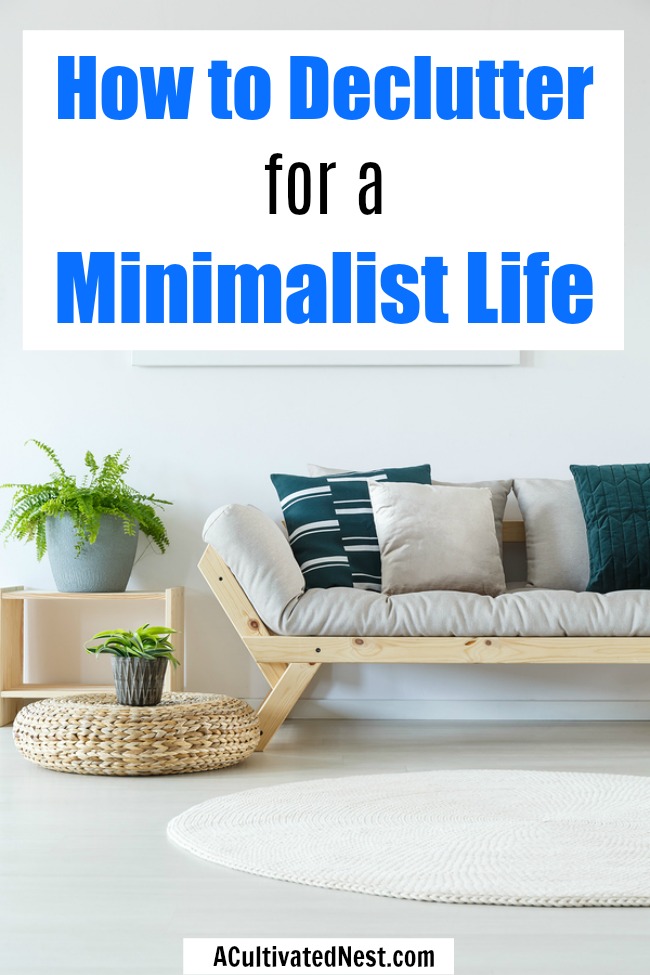
The transition to a minimalist lifestyle isn’t a quick fix; it’s a journey. It requires self-reflection, honest evaluation of your possessions, and a willingness to let go. Start small. Choose one drawer, one closet, one room. Ask yourself: Does this item bring me joy? Does it serve a practical purpose? If the answer is no, consider donating, selling, or recycling it. The KonMari method, popularized by Marie Kondo, provides a structured approach to this process. Her book, The Life-Changing Magic of Tidying Up, offers a compelling framework for decluttering with intention.
But the benefits extend beyond the personal. Minimalism challenges the very foundation of our consumer-driven society. By reducing our reliance on material goods, we lessen our environmental footprint. We decrease demand for unsustainable practices, contributing to a more sustainable future. This is a powerful act of rebellion against the relentless cycle of "buy, use, discard."
The future of living, in my opinion, lies in mindful consumption. The challenges ahead involve navigating a world still heavily reliant on advertising and consumerism. We need to actively resist the pressure to acquire more, to cultivate a deeper appreciation for experiences, relationships, and the simple joys of life. Building my minimalist home has been a journey of self-discovery, teaching me the value of intentionality and the profound peace that comes from living with less.
Call to Action: Start small. Choose one item to declutter today. Reflect on your relationship with your possessions. What changes can you make to create a more intentional and fulfilling life? Share your experiences and insights in the comments below. Let’s build a community of mindful consumers, together.