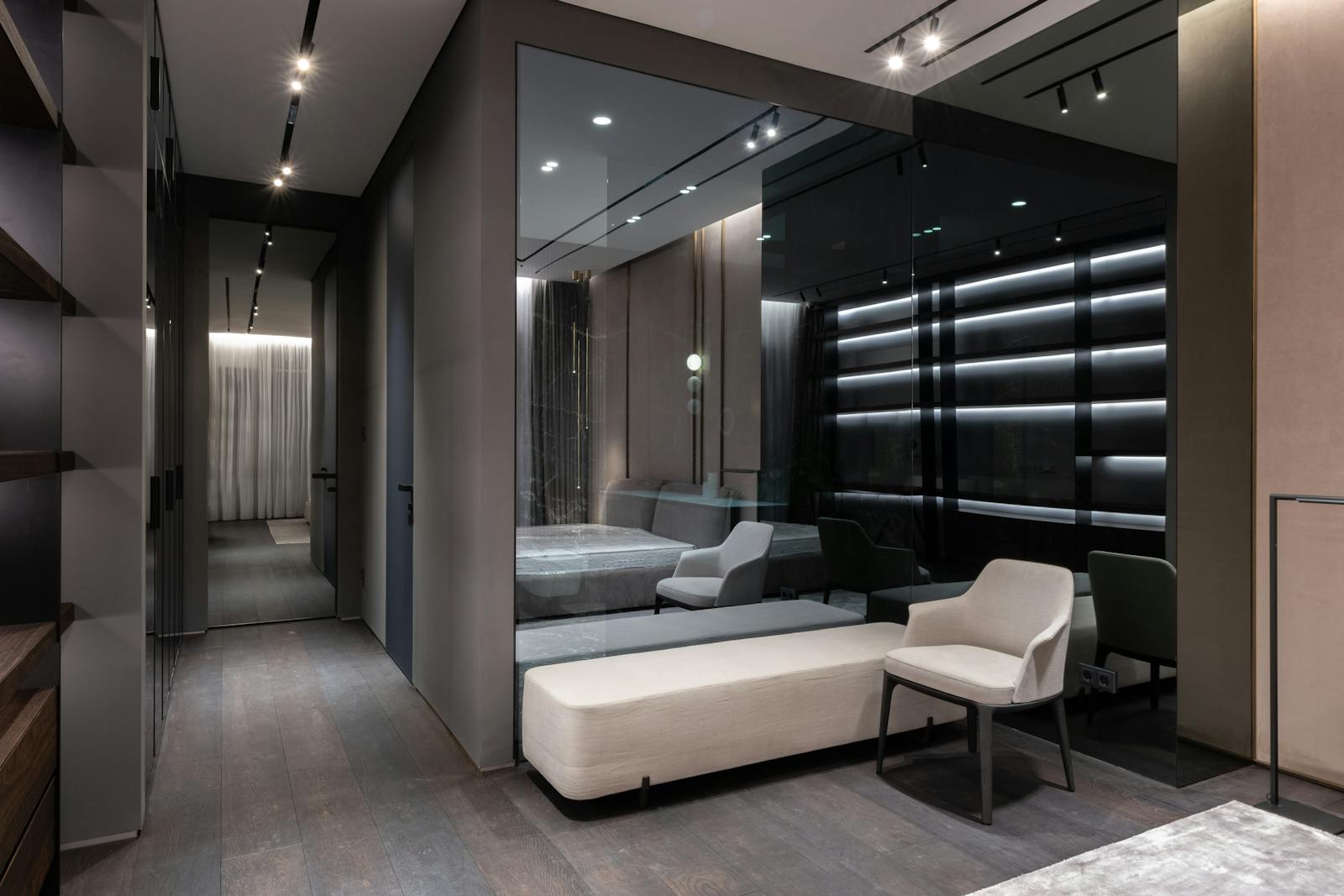
Minimalism has become more than just a design trend—it’s a way of life for many. It is not simply about creating an environment that is visually pleasing, but also about embracing functionality, simplicity, and comfort. Minimalism in interior design often revolves around clean lines, open spaces, and a decluttered aesthetic. The key to achieving this balance is often through careful selection of furniture, decor, and, crucially, lighting. In the context of a living room, lighting plays a pivotal role not only in illuminating the space but also in setting the mood, enhancing the atmosphere, and complementing the overall design.
Minimalist lighting in a living room is about more than just turning on a few lamps. It’s about carefully curating light sources that align with the principles of simplicity, while ensuring the space remains warm, inviting, and functional. In this article, we will explore how minimalist lighting can transform a living room, how to choose the right lighting for minimalist interiors, and how to combine various lighting elements to achieve the perfect balance.
1. The Essence of Minimalist Lighting
The philosophy behind minimalist lighting is rooted in functionality and subtlety. Instead of overwhelming the room with extravagant fixtures, minimalist lighting opts for clean, simple designs that blend seamlessly into the overall aesthetic. The focus is on high-quality, efficient lighting solutions that don’t draw attention to themselves but instead enhance the space.
Key principles of minimalist lighting include:
- Simplicity: Choosing fixtures that are simple, unobtrusive, and refined in design. The idea is to let the light itself become the focal point, rather than the fixture.
- Natural Light: Maximizing the use of natural light to reduce reliance on artificial lighting. This is achieved by using large windows, light-colored walls, and an open floor plan.
- Functional Lighting: Prioritizing functionality while keeping aesthetics in mind. Lighting must serve its purpose—whether it’s general lighting, task lighting, or accent lighting—without overwhelming the room with too many layers.
- Subtlety: Using lighting in a way that does not overpower the space. The light should be gentle, ambient, and calming rather than harsh or glaring.
2. Types of Lighting in Minimalist Living Rooms
When designing a minimalist living room, it’s essential to understand the different types of lighting and how they can work together to create a harmonious space. In a minimalist interior, lighting should not just be about filling the space with brightness, but about creating the right atmosphere and mood.
Here are the primary types of lighting you should consider:
2.1 Ambient Lighting
Ambient lighting, also known as general lighting, is the primary light source in a room. It provides overall illumination and creates a base level of light that makes the room functional and comfortable. In a minimalist living room, ambient lighting should be soft, unobtrusive, and evenly distributed throughout the space.
The most popular choices for ambient lighting include:
- Recessed Lighting: These are installed into the ceiling and are often used in minimalist interiors because of their subtle appearance. Recessed lights provide a clean, uninterrupted ceiling line, which aligns perfectly with the minimalist aesthetic.
- Pendant Lights: A single, simple pendant light hanging from the ceiling can create an elegant focal point without overwhelming the space. Look for sleek, geometric designs or bare bulb fixtures with clean lines.
- Track Lighting: Track lights allow for flexibility in directing light to different areas of the room. These are especially useful in larger living rooms or spaces that require multi-directional lighting.
- Wall Sconces: Mounted on the walls, wall sconces offer soft ambient lighting while doubling as a design element. Opt for modern, streamlined fixtures that have a minimalist design.
2.2 Task Lighting
Task lighting is designed to illuminate specific areas of the room where activities like reading, working, or playing games take place. It should provide focused, direct light that allows the user to perform tasks with ease. In minimalist living rooms, task lighting can be achieved through well-placed lamps or spotlights that complement the room’s design.
Options for task lighting in minimalist interiors include:
- Floor Lamps: A floor lamp with a simple design and adjustable head can provide direct light where needed. Look for lamps with a slender profile, a simple base, and an elegant lampshade to complement the minimalist aesthetic.
- Table Lamps: A table lamp on a side table or console table can provide focused light for reading or other activities. Stick to designs with clean lines, neutral colors, and subtle finishes like matte black or brushed metal.
- Adjustable Desk Lamps: If you have a small desk or reading nook in your living room, an adjustable desk lamp can direct light exactly where you need it. Choose minimalist designs with sleek, modern structures that don’t overwhelm the space.
2.3 Accent Lighting
Accent lighting is used to highlight specific features of the living room, such as artwork, sculptures, or architectural details. In minimalist lighting design, accent lighting should be used sparingly and subtly to add depth and interest to the space without detracting from the overall simplicity.
Consider the following options for accent lighting:
- LED Strip Lighting: LED strips can be used to create subtle accents around the edges of furniture, under shelves, or along the baseboards. These strips provide a soft, ambient glow that enhances the minimalist aesthetic without overpowering the room.
- Picture Lights: Picture lights are perfect for highlighting art or framed photographs. Choose sleek, low-profile picture lights that won’t distract from the artwork itself, but will instead illuminate it gently.
- Spotlights: Small, adjustable spotlights mounted on the ceiling or walls can be used to create dramatic effects, emphasizing certain elements within the room.
2.4 Natural Lighting
A minimalist living room often incorporates a significant amount of natural light, creating an open and airy environment. Natural light helps to achieve the minimalist design goal of creating a spacious, uncluttered atmosphere.
To maximize natural light:
- Use Large Windows: Large windows or glass doors allow natural light to flood the room. Consider using sheer or light-colored curtains to filter the light without obstructing it completely.
- Open Floor Plan: A living room with an open floor plan, free from walls or partitions, allows light to travel through the entire space, creating a sense of flow and unity.
- Light-Colored Walls and Furniture: Light-colored walls, flooring, and furniture can reflect natural light and make the room feel brighter and more expansive.
3. Selecting Minimalist Lighting Fixtures
When choosing lighting fixtures for a minimalist living room, the key is to opt for designs that are simple, functional, and unobtrusive. The fixtures should blend into the environment and enhance the room’s design without overwhelming it.
Here are some tips for selecting minimalist lighting fixtures:
- Go for Clean Lines: Choose fixtures that feature simple, geometric shapes such as circles, squares, or straight lines. Avoid ornate or overly intricate designs.
- Opt for Neutral Colors: Stick to neutral color schemes such as white, black, brass, matte finishes, or brushed metal. These colors tend to blend seamlessly with most minimalist interiors.
- Focus on Materials: Minimalist lighting fixtures are often made from materials like metal, glass, wood, or concrete. These materials align well with the clean, functional aesthetic of minimalist design.
- Avoid Clutter: Keep the number of fixtures to a minimum. A few well-placed, high-quality lighting options are better than an abundance of lighting sources that clutter the space.
4. Layering Lighting for Maximum Effect
While minimalist design often favors simplicity, this doesn’t mean that lighting should be one-dimensional. A well-designed minimalist living room benefits from a combination of lighting layers that work together to create depth and interest. By layering ambient, task, and accent lighting, you can achieve the ideal atmosphere and functionality for your space.
Here are some ideas for layering lighting in your minimalist living room:
- Combine Overhead Lighting and Table Lamps: Use soft overhead lighting in conjunction with table lamps to create a balanced and functional lighting setup.
- Use Dimmer Switches: Dimmer switches allow you to control the intensity of the lighting, providing flexibility to set the right mood for any occasion.
- Strategically Place Floor and Wall Lamps: Position floor and wall lamps to fill in darker corners or highlight key areas of the room, such as the seating area or a piece of artwork.
- Consider Lighting Zones: Divide your living room into different zones based on functionality. For example, a reading nook may need brighter task lighting, while the main seating area can benefit from softer ambient lighting.
5. Conclusion
Minimalist lighting in the living room is about creating a space that feels both functional and serene. By carefully selecting and layering different types of lighting—ambient, task, and accent—you can enhance the minimalist design and create an environment that is welcoming, efficient, and stylish.
Incorporating minimalist lighting principles into your living room doesn’t mean sacrificing warmth or comfort. By focusing on simplicity, quality, and subtlety, you can achieve a beautifully lit space that complements your minimalist design.