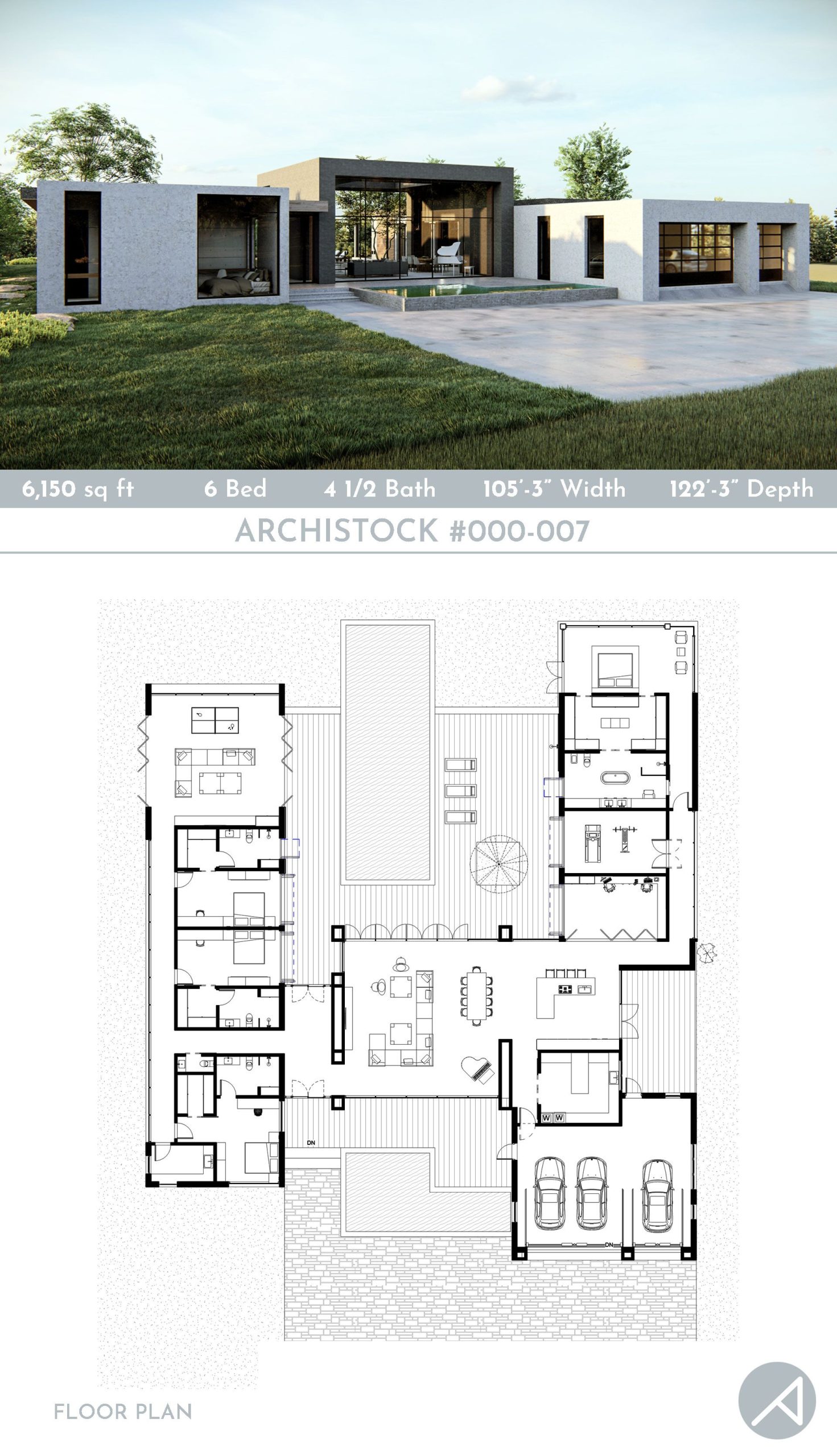
Minimalist Home Design Floor Plans: Less is More, and More is Possible
Okay, so you’re thinking minimalist home design. Good for you! I’ve been there, wrestled with the idea, and finally embraced the glorious simplicity. It’s not about deprivation; it’s about intentionality. It’s about creating a space that breathes, that feels calm and uncluttered, a sanctuary where you can truly relax and recharge. But before you start ripping out walls and painting everything white (though, white is lovely), let’s talk floor plans. The floor plan is the skeleton of your minimalist home, the foundation upon which you’ll build your serene, functional haven. Getting it right is crucial. It’s not just about the square footage; it’s about the flow, the relationship between spaces, and how those spaces support your lifestyle. Think about how you actually live. Do you entertain frequently? Do you need a dedicated home office? Do you crave a sprawling master suite or a cozy, intimate one? These questions are far more important than simply aiming for a certain number of bedrooms or bathrooms. The best minimalist floor plans aren’t just about minimizing possessions; they’re about maximizing the potential of the space you do have. They’re about creating a home that works for you, not the other way around. And that’s where the real magic begins. It’s about focusing on what truly matters, stripping away the excess, and creating a space that reflects your values and priorities. It’s a journey, not a destination, and finding the right floor plan is the first, crucial step.
Open-Concept Living: The Heart of Minimalist Design
Open-concept living is almost synonymous with minimalist design, and for good reason. It fosters a sense of spaciousness, even in smaller homes. By removing walls between the kitchen, dining, and living areas, you create a seamless flow that promotes interaction and a feeling of openness. Think of it as an airy, light-filled canvas, ready for you to add your personal touches. But an open-concept plan isn’t just about aesthetics; it’s about functionality. It makes entertaining a breeze, allowing you to effortlessly move between spaces while interacting with guests. It also allows for natural light to penetrate deeper into the home, further enhancing the feeling of spaciousness. However, careful planning is key. An open-concept space can easily feel chaotic if not designed properly. You need to consider the placement of furniture, the use of zoning techniques to visually separate different areas, and the overall flow of the space. Think about incorporating built-in storage to keep things tidy and organized, maintaining that clean, minimalist aesthetic. The key is to balance openness with a sense of order and intentionality. Consider incorporating subtle architectural features, such as a change in flooring material or a difference in ceiling height, to subtly define different zones within the open-plan space. This helps to create a sense of visual separation without resorting to walls, maintaining the airy, spacious feel while still providing a sense of organization. And don’t forget about the importance of natural light; strategically placed windows can dramatically enhance the feeling of openness and spaciousness in your minimalist open-concept home.

The beauty of an open-concept minimalist design lies in its adaptability. It can be customized to suit various lifestyles and family sizes. A small family might find a single, open-plan living space more than sufficient, while a larger family might incorporate subtle zoning techniques to create distinct areas for different activities, such as a dedicated play area for children or a quiet reading nook for adults. The flexibility of the open-concept design allows for this kind of customization, making it a truly versatile option for minimalist living. Remember, even within an open-concept space, you can still create distinct zones using furniture placement, rugs, lighting, and other design elements. This allows you to maintain a sense of flow and openness while still providing designated areas for different functions. It’s all about creating a space that feels both expansive and intimate, a place where you can both relax and entertain with ease. The open concept is not a one-size-fits-all solution; it’s a starting point, a framework that can be tailored to your specific needs and preferences. The real skill lies in making it work for you, creating a space that reflects your unique lifestyle and personality.
And let’s not forget the impact of natural light. In a minimalist home, natural light is your best friend. It brightens the space, enhances the feeling of spaciousness, and reduces the need for artificial lighting, which can sometimes feel intrusive in a minimalist setting. Maximize natural light by using large windows, skylights, and glass doors. Consider the orientation of your home to optimize sunlight throughout the day. Clever use of mirrors can also help to bounce light around the space, further amplifying its effect. In the design phase, carefully consider window placement to ensure maximum natural light penetration, especially in areas where you spend the most time, like the living area and kitchen. This thoughtful planning is crucial to achieving the bright, airy feel that is characteristic of a successful minimalist home. It’s not just about the amount of light; it’s about its quality and how it interacts with the overall design of the space. Natural light can transform a simple room into something truly special.
Multifunctional Furniture: Maximizing Space and Style
Minimalist design isn’t just about removing things; it’s about optimizing what you keep. This is where multifunctional furniture comes in. Think of a sofa bed that transforms into a guest bed, a coffee table with built-in storage, or a stylish ottoman that doubles as extra seating. These pieces are your secret weapons in maximizing space and maintaining a clean, uncluttered aesthetic. They’re not just practical; they’re stylish too. Many modern minimalist furniture pieces are designed with both form and function in mind, offering sleek lines and sophisticated designs without sacrificing practicality. They can be the perfect blend of style and utility, allowing you to achieve that minimalist look without compromising on functionality. And don’t underestimate the impact of built-in storage. Clever built-in shelving, drawers, and cabinets can help you keep things organized and out of sight, maintaining that clean, uncluttered aesthetic that is central to minimalist design. It’s about finding creative ways to store things without sacrificing style or precious square footage.
The beauty of multifunctional furniture lies in its versatility. It allows you to adapt your space to changing needs. A dining table that folds away when not in use can free up valuable floor space in a smaller home. A Murphy bed can transform a spare room into a home office during the day and a guest room at night. These pieces are not just about saving space; they’re about maximizing the potential of every square inch. They are also an excellent way to add a touch of personality to your minimalist design. While minimalism emphasizes simplicity and clean lines, it doesn’t mean your space has to be devoid of personality. By choosing multifunctional furniture pieces that reflect your style, you can incorporate your individual taste while still adhering to the principles of minimalist design. It’s about finding the right balance between functionality and aesthetics, creating a space that is both practical and beautiful.
Consider the materials when selecting your multifunctional furniture. Opt for durable, high-quality pieces that will withstand the test of time. Natural materials like wood and linen add warmth and texture to a minimalist space, while sleek metal and glass pieces can create a more modern and sophisticated look. The choice of materials is crucial in creating a cohesive and stylish space. Think about the overall aesthetic you are aiming for and choose furniture that complements your chosen style. The key is to select pieces that are both functional and visually appealing, creating a space that is both practical and stylish. Don’t be afraid to mix and match materials to add visual interest, but maintain a sense of balance and coherence. The goal is to create a harmonious space where every piece serves a purpose and contributes to the overall aesthetic.
Investing in quality multifunctional furniture is an investment in your long-term well-being. It reduces clutter, enhances functionality, and contributes to a more peaceful and organized living environment. It’s a testament to the power of thoughtful design and the beauty of simplicity. It’s about creating a space that is both aesthetically pleasing and functionally efficient, a space where you can truly relax and enjoy your life. It’s about making conscious choices about what you bring into your home, ensuring that every piece serves a purpose and contributes to a sense of calm and order. It’s a subtle art, finding the right balance between functionality and aesthetics. But once you master it, the rewards are immense.
Natural Light and Neutral Color Palettes: Creating a Serene Atmosphere
Minimalist design is all about creating a sense of calm and serenity. And nothing achieves this better than a combination of natural light and a neutral color palette. Think soft whites, creamy beiges, gentle grays – colors that create a sense of spaciousness and tranquility. These colors act as a blank canvas, allowing your carefully chosen furniture and accessories to stand out. They are calming, versatile, and they create a sense of spaciousness, which is particularly important in smaller homes. A neutral color palette doesn’t have to be boring. You can add subtle texture and visual interest through different materials, such as natural wood, linen, or stone. These materials add warmth and depth without overwhelming the space. The key is to create a sense of balance and harmony, a space that feels both inviting and relaxing.
The interplay of natural light and neutral colors is crucial. Natural light brightens the space, making it feel larger and more airy. Neutral colors reflect the light, further enhancing this effect. This combination creates a sense of openness and tranquility, making the space feel calm and inviting. Avoid harsh, bright colors that can be overwhelming. Instead, opt for softer, more muted tones that create a sense of serenity. Consider the direction of the light in your home when choosing your color palette. A north-facing room might benefit from warmer, more inviting tones, while a south-facing room might be better suited to cooler, more calming colors. The goal is to create a balanced and harmonious space where the colors and light work together to create a sense of peace and tranquility.
Beyond the walls and floors, consider the impact of natural materials. Incorporating natural materials such as wood, stone, or linen adds warmth and texture to a neutral color palette, creating a more inviting and less sterile atmosphere. These materials bring a sense of nature indoors, further enhancing the feeling of calm and serenity. They also add a layer of visual interest without being overwhelming. The key is to use these natural materials sparingly, as accents rather than dominant features. This allows them to enhance the overall aesthetic without detracting from the minimalist feel. The combination of natural light, neutral colors, and natural materials creates a harmonious and inviting space that feels both calming and sophisticated. It’s a subtle art, but the result is a home that feels truly serene and restorative.
Remember, the goal is not to create a sterile, impersonal space. Minimalist design is about creating a space that is both beautiful and functional, a place where you can relax and recharge. By carefully selecting your color palette and maximizing natural light, you can create a home that is both aesthetically pleasing and emotionally restorative. It’s about creating a sanctuary, a place where you can escape the chaos of everyday life and find peace and tranquility. It’s about creating a space that reflects your personality and your values, a space that is both beautiful and functional. It’s a journey of thoughtful selection and considered design, but the result is a home that is both beautiful and deeply personal.