
Minimalist Home Decor UK: Finding Calm Amidst the Chaos
Right, so you’re thinking about minimalist home decor, huh? Good on you. I’ve been there, wading through a sea of "stuff" that promised happiness but delivered only dust and the nagging feeling of being overwhelmed. Living in the UK, surrounded by charming but often cluttered homes, I found myself craving simplicity. It wasn’t about deprivation; it was about intentionality. About creating a space that felt calm, inviting, and truly mine. It’s a journey, not a destination, and honestly, it’s been one of the most rewarding things I’ve done for my mental well-being. I started small, decluttering a drawer here, a shelf there, and slowly, almost imperceptibly, my home began to shift. The air felt lighter, the spaces felt bigger, and oddly enough, I felt more at peace. I’m going to share my journey, my tips and tricks, the mistakes I made (believe me, there were plenty!), and the unexpected joys that came with embracing minimalism in my UK home.
Decluttering: The Foundation of Minimalist Living
The first hurdle, and arguably the biggest, is decluttering. This isn’t about a quick tidy-up; it’s a deep dive into your belongings, a ruthless assessment of what truly serves you and what’s just taking up space. I started with one area, my bedroom wardrobe, the epicentre of my clothing chaos. I pulled everything out, creating a monumental pile on my bed – a visual representation of my excessive consumption. It was daunting, yes, but necessary. I started sorting – clothes I loved and wore regularly went into one pile, clothes I hadn’t worn in a year (or more!) went into another, and anything damaged or beyond repair went straight into the charity bag. The process was surprisingly therapeutic, a release of pent-up energy and emotional baggage attached to these items. It was liberating to let go of things that no longer served me, things I held onto out of sentimentality or the fear of wasting money. Don’t underestimate the power of this initial declutter; it sets the tone for the entire minimalist journey. Remember, you’re not aiming for a sterile, empty space; you’re creating a sanctuary, a space that reflects your values and enhances your well-being. And that’s something worth fighting for. The same rigorous process was applied to every room, every drawer, every cupboard. I even tackled the dreaded attic, a repository of forgotten memories and unused items. Each item I let go of felt like a weight lifted, a step closer to the calm I craved. And it wasn’t just about physical space; decluttering also freed up mental space, allowing me to focus on what truly mattered. The process took time, weeks even, but the results were transformative. I found myself feeling lighter, more focused, and more in control of my environment. It sounds cliché, but it’s true – a tidy space really does lead to a tidy mind. And in the UK, where homes can be relatively small, this is especially important. Finding space, both physical and mental, is a luxury we should all strive for.
Choosing a Minimalist Colour Palette: Less is More
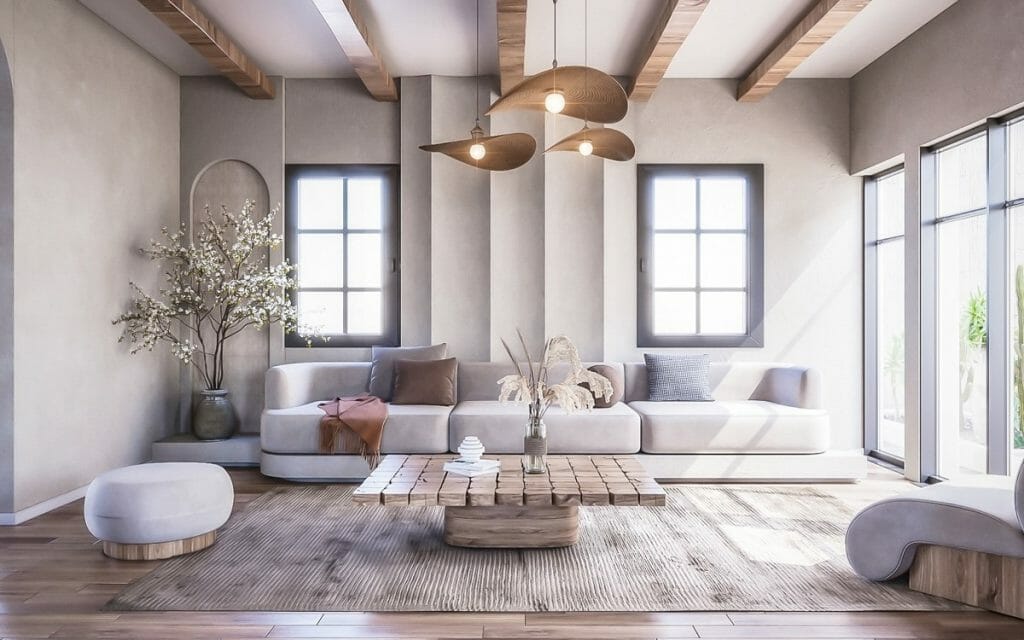
Once the decluttering was complete, I turned my attention to the colour palette. Minimalist decor isn’t about beige walls and colourless furniture; it’s about choosing a carefully curated selection of colours that work together harmoniously. I opted for a neutral base – soft greys, creamy whites, and subtle beiges – to create a sense of calm and spaciousness. These colours act as a blank canvas, allowing pops of colour from carefully chosen accessories to stand out. I love the way natural light interacts with these neutral tones, creating a warm and inviting atmosphere. I found inspiration from Scandinavian design, which often incorporates natural materials and a muted colour palette. Think soft linens, natural wood, and subtle textures. This approach creates a feeling of warmth and serenity, making the space feel both calming and sophisticated. I avoided bold colours or busy patterns, opting instead for simplicity and elegance. The key is to select colours that evoke a feeling of tranquility and peace. This isn’t about being boring; it’s about creating a space that promotes relaxation and well-being. Remember, the goal is to create a sanctuary, a space where you can unwind and recharge. And the right colour palette can play a significant role in achieving this. I also considered the impact of colour on different rooms. For example, I used warmer tones in the living room to create a cosy atmosphere, while cooler tones in the bedroom helped promote relaxation and sleep. It’s a subtle difference, but it makes a significant impact on the overall mood of the space. It was a gradual process, experimenting with different shades and textures until I found the perfect combination. And the best part? It was incredibly affordable. I didn’t need to buy expensive paint or furniture; I simply worked with what I already had, rearranging and repurposing items to create a cohesive and stylish look.
Sourcing Minimalist Furniture & Accessories in the UK
Finding minimalist furniture and accessories in the UK is easier than you might think. Forget the mass-produced, overly decorated pieces; instead, focus on quality over quantity. I started by decluttering existing furniture, repurposing pieces I already owned and selling or donating the rest. This helped me understand my needs and preferences better before investing in new pieces. Then, I explored various avenues for sourcing minimalist furniture. Charity shops and vintage stores are treasure troves of unique and affordable pieces. You can often find beautifully crafted wooden furniture or simple, elegant designs at a fraction of the price of new items. Online marketplaces, like eBay and Facebook Marketplace, are also excellent resources. I found some incredible pieces, often at bargain prices, simply by searching for keywords like "minimalist furniture," "Scandinavian design," or "mid-century modern." And of course, there are numerous online retailers specializing in minimalist homeware. These retailers often offer a wide range of styles, from sleek and modern to rustic and organic. However, it’s crucial to be mindful of the materials used and the overall quality. Choosing durable, sustainable pieces is an important aspect of minimalist living. It’s about investing in fewer, higher-quality items that will last for years to come, rather than constantly buying cheap, disposable items. I also discovered the joy of supporting independent artisans and small businesses. Many talented craftspeople in the UK create beautiful, handcrafted items that perfectly complement a minimalist aesthetic. Their unique designs add a personal touch, creating a space that feels truly individual. The key is to be patient and persistent. Don’t rush the process; take your time to find pieces that resonate with you and enhance your living space. Remember, less is more, but the "less" should be carefully chosen and truly loved.
The Ongoing Journey of Minimalist Living in the UK
Minimalist living isn’t a one-time fix; it’s an ongoing journey of refinement and self-discovery. It’s about constantly evaluating what serves you and letting go of what doesn’t. This involves regular decluttering sessions, even if it’s just a quick tidy-up of a drawer or shelf. It’s about being mindful of new purchases, asking yourself if you truly need an item before adding it to your collection. It’s about appreciating the beauty of simplicity and finding joy in the things that truly matter. I’ve found that embracing minimalism has not only transformed my home but also my mindset. I’m less stressed, more focused, and more appreciative of the things I have. It’s a journey that requires self-discipline and intentionality, but the rewards are immeasurable. In the UK, where space can be at a premium, minimalist living is particularly beneficial. It allows you to create a functional and aesthetically pleasing space without feeling overwhelmed by clutter. It’s about creating a sanctuary, a space where you can relax, recharge, and reconnect with yourself. And it’s a journey I’m still on. I’m constantly refining my space, letting go of things that no longer serve me, and embracing new ways to simplify my life. It’s an ongoing process of learning and growth, and I wouldn’t trade it for anything. The unexpected benefits have been profound – more time, less stress, and a deeper appreciation for the beauty of simplicity. It’s not about deprivation; it’s about intentionality, and that makes all the difference. The journey itself is as rewarding as the destination, and the calm, peaceful space I’ve created is a testament to the power of embracing a minimalist lifestyle.