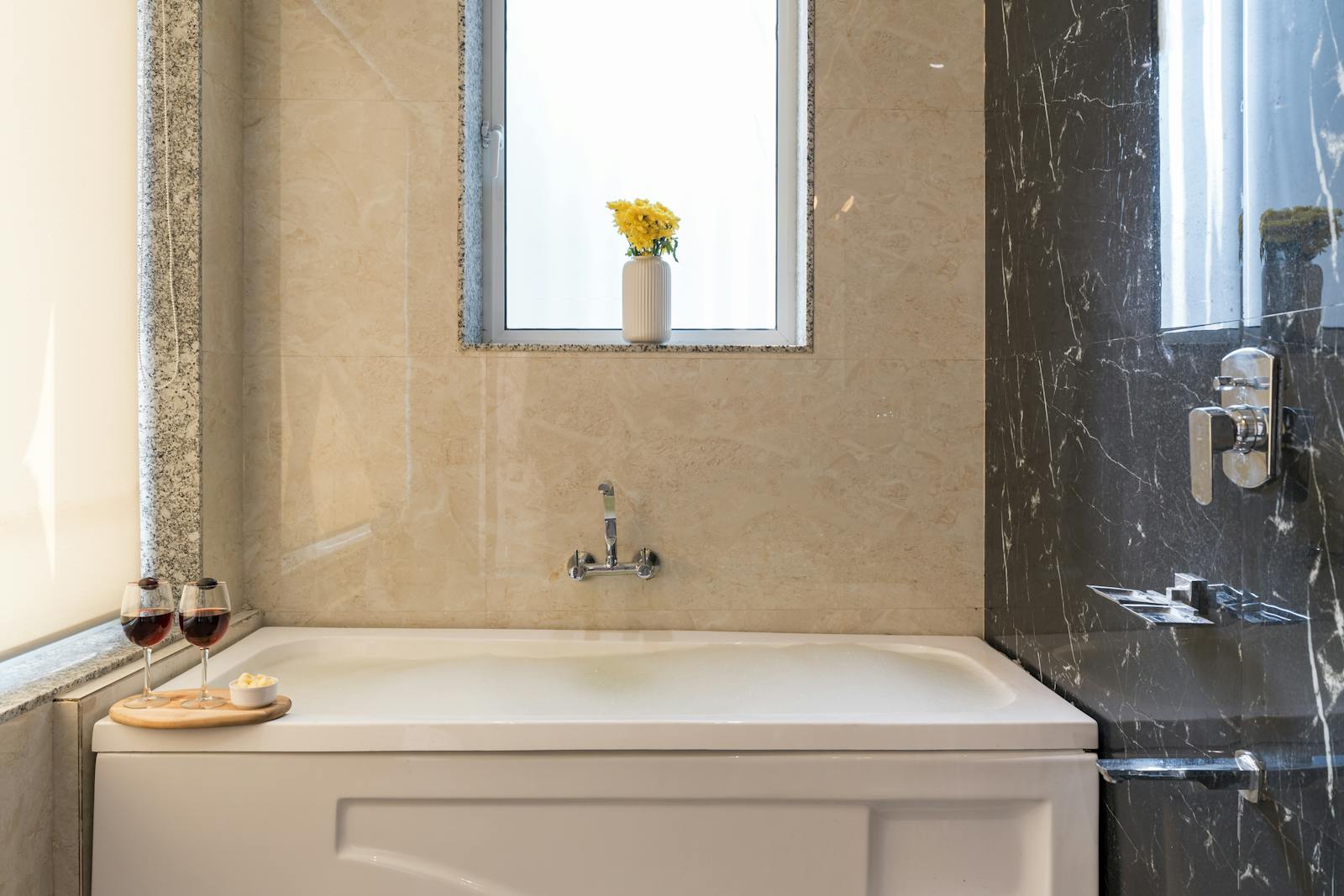
In the world of interior design, trends are constantly evolving. From bold colors to eclectic mixtures of styles, the home decor world has seen many shifts in recent years. However, one trend that continues to gain momentum and shows no signs of fading is minimalism. In 2025, minimalist home decor is not just about simplicity and functionality—it is about embracing a lifestyle that prioritizes sustainability, sleek designs, and thoughtful living.
Minimalism is rooted in the concept of “less is more,” and it revolves around creating a space that is clean, uncluttered, and purposefully designed. As we head into 2025, the minimalist movement has evolved into something more refined and intentional, with a focus on simplicity, sustainability, and timeless elegance. This article explores the minimalist home decor trends that will dominate the interior design scene in 2025, emphasizing the importance of simplicity, sleekness, and sustainability.
1. Sustainable Materials: The Foundation of Minimalism in 2025
As environmental concerns continue to rise, sustainability will be one of the key pillars of minimalist home decor in 2025. People are becoming more conscious of the materials they use in their homes and are opting for products that are environmentally friendly, renewable, and long-lasting. In minimalist design, the emphasis is on quality over quantity, and sustainability is no exception.
Natural Materials
Wood, stone, and bamboo are making a comeback in minimalist interiors as they not only provide a timeless aesthetic but are also sustainable choices. In 2025, expect to see rich textures in natural materials that add warmth and depth to otherwise simple spaces. Reclaimed wood, for instance, will continue to be a popular choice for flooring, furniture, and accent pieces, offering both sustainability and a sense of history to any room.
Recycled and Upcycled Materials
Another growing trend in minimalist design is the use of recycled and upcycled materials. Instead of buying new products, homeowners are increasingly looking to repurpose existing materials or opt for furniture made from recycled materials. This not only reduces waste but also aligns perfectly with the minimalist philosophy of consuming less. For instance, furniture pieces made from recycled metal or glass are both sleek and sustainable, offering a modern yet environmentally conscious solution.
Low-VOC and Non-Toxic Paints
When it comes to decorating, the use of low-VOC (volatile organic compounds) and non-toxic paints will be a significant trend in 2025. These paints are better for both the environment and the health of those living in the home. Opting for eco-friendly paints that come in neutral, soft hues will align perfectly with minimalist interiors, creating a calm and serene atmosphere.
2. Neutral Color Palettes: Serene, Subtle, and Sophisticated
Minimalism is synonymous with simplicity, and color plays a huge role in creating the serene, uncluttered spaces that define this style. In 2025, the trend towards neutral color palettes will continue to dominate the minimalist home decor scene.
Soft Earth Tones
While whites, grays, and blacks have long been the staples of minimalist design, 2025 will see the rise of soft earth tones like beige, taupe, terracotta, and muted greens. These colors evoke a sense of calm and grounding, perfect for creating a peaceful atmosphere in any room. Earthy hues will be used on walls, floors, furniture, and even textiles like rugs and cushions, providing warmth without overwhelming the space.
Monochromatic Schemes
Another minimalist trend that will gain popularity in 2025 is the use of monochromatic color schemes. By using various shades of one color, homeowners can create depth and interest without introducing too much contrast. This trend will often involve mixing different textures, such as matte, glossy, and woven finishes, within the same color family to maintain a sense of visual harmony.
Pops of Color in Small Doses
While neutrals will still be the foundation of minimalist decor, there will also be an increased focus on introducing small pops of color to add personality and character to a room. Think subtle accents, such as a deep emerald green vase, a soft blush pink throw pillow, or a piece of artwork with a bold color statement. These elements help create a dynamic and engaging space without disrupting the simplicity of the overall design.
3. Functional, Multi-Purpose Furniture
One of the key principles of minimalist design is maximizing functionality while minimizing clutter. In 2025, the focus on multi-purpose furniture will be stronger than ever. People are looking for furniture that can serve multiple purposes, save space, and streamline their homes. This trend is particularly important for those living in smaller spaces or seeking a more efficient lifestyle.
Modular and Customizable Furniture
Modular furniture will be one of the standout trends in 2025. This type of furniture allows homeowners to customize their living spaces to fit their unique needs. Whether it’s a modular sofa that can be reconfigured to suit different occasions, or shelving systems that can be adjusted to accommodate various items, modular furniture provides both versatility and style. The minimalist approach to modular design focuses on sleek, simple pieces that can be easily transformed without overwhelming the space.
Storage Solutions that Blend with the Decor
In minimalist design, storage is essential but should never detract from the overall aesthetic. Furniture that incorporates hidden storage or clever organizational solutions will become increasingly popular. For example, coffee tables with built-in storage, beds with drawers underneath, and ottomans that double as both seating and storage will help maintain a tidy and clutter-free environment. In 2025, the focus will be on furniture that seamlessly blends storage with decor, maintaining a clean, sleek look while still offering practical solutions.
Transformative Pieces for Small Spaces
As more people choose to live in urban areas with limited square footage, space-saving furniture will continue to be a major trend. Items such as wall-mounted desks, fold-out dining tables, and collapsible chairs will become more refined and stylish, enabling homeowners to maximize every square inch of their living space. These transformative pieces are perfect for the minimalist homeowner who values both function and beauty.
4. Tech Integration: Smart, Seamless, and Invisible
With the rise of smart homes and technology, integrating tech into home decor in a minimalist way will be a top trend for 2025. The key here is to ensure that technology is seamlessly integrated into the home, enhancing the lifestyle without drawing attention or disrupting the minimalist aesthetic.
Hidden Tech
In 2025, smart home devices will be designed to blend into the background. Homeowners will prefer smart appliances, light fixtures, and heating systems that are either built-in or hidden from view, maintaining a clean and streamlined appearance. For instance, a smart speaker that doubles as a piece of minimalist art, or a refrigerator that looks like a regular cabinet, will be popular options.
Voice-Controlled and Automated Systems
Voice-controlled devices and automated systems will become more common in minimalist homes. With just a few commands, homeowners will be able to adjust lighting, temperature, or even close the curtains, all while maintaining the simplicity of their home. These smart systems will operate quietly in the background, ensuring that technology does not interfere with the peaceful, uncluttered aesthetic that defines minimalist interiors.
Minimalist Lighting
Lighting will also play a critical role in minimalist interiors, with an emphasis on sleek, modern fixtures that don’t draw attention to themselves. Expect to see smart lighting systems that can adjust to different moods, with subtle, hidden light sources embedded in walls or ceilings. Lighting will be designed to blend into the overall aesthetic, providing functionality without overpowering the space.
5. Biophilic Design: Bringing Nature Indoors
In 2025, biophilic design will continue to be a major trend in minimalist interiors, with more people looking to connect with nature even in urban environments. The minimalist approach to biophilic design involves using natural elements in simple, unobtrusive ways that complement the overall aesthetic of the space.
Indoor Plants
Houseplants will remain a staple of minimalist decor, but in 2025, there will be a greater focus on selecting plants that are easy to care for and blend seamlessly into the space. Large, sculptural plants like snake plants, fiddle-leaf figs, and rubber trees will be popular choices. These plants will add texture, color, and a sense of vitality without overwhelming the minimalist design.
Natural Light
Maximizing natural light will be a key focus of minimalist interiors in 2025. Large windows, skylights, and open-plan spaces will be favored to allow as much sunlight in as possible. The goal will be to create airy, light-filled spaces that promote wellbeing and a connection to the outdoors.
Natural Elements in Decor
Incorporating natural elements like stone, clay, and wood into furniture, art, and accessories will also be a key element of biophilic design in 2025. These elements will be used sparingly but intentionally, offering a grounded, organic feel to the home while maintaining the sleek simplicity that defines minimalist decor.
Conclusion
Minimalist home decor trends for 2025 are all about embracing simplicity, sleek design, and sustainability. With a focus on sustainable materials, neutral color palettes, multifunctional furniture, smart tech integration, and a connection to nature, minimalist design will continue to offer homeowners a way to create calm, efficient, and timeless spaces. As we move toward a more conscious and sustainable future, these trends will help guide us toward homes that are not only beautiful and functional but also kind to the planet. Minimalism, in its most thoughtful and refined form, will be a defining feature of home decor in 2025 and beyond.