Minimalist Home Decor Trends: A Journey to a Calmer Space
Okay, so you’re thinking about minimalism, huh? I get it. The endless scroll of perfectly styled Instagram feeds can be overwhelming, and the thought of paring down your belongings to only the essentials can feel… daunting. But trust me, it’s a journey worth taking. It’s not about deprivation; it’s about intentionality. It’s about creating a space that reflects your values, your peace, your you. And honestly, after years of collecting "stuff," I found myself drowning in it. My home felt cluttered, not cozy. The constant visual noise was stressing me out, and I couldn’t even find joy in the things I’d painstakingly accumulated. Minimalism wasn’t a sudden epiphany; it was a slow, deliberate shedding of the unnecessary, a gradual uncovering of what truly mattered. It was about finding beauty in simplicity, and that, my friends, is a game changer. It’s about curating a life, not just a home.
The first step, and maybe the hardest, is decluttering. It’s not just about tossing things in the trash; it’s about a conscious process of evaluating each item. Does it serve a purpose? Does it bring you joy? If the answer is no to both, it’s time to let it go. Donate it, sell it, give it away – whatever feels right. I started small, tackling one drawer, one shelf at a time. It’s less overwhelming that way. I found that the more I decluttered, the easier it became. Each item I released felt like a weight lifted, not just physically, but mentally. The feeling of lightness and space was incredibly liberating. I remember the sheer joy of opening a drawer and actually seeing the bottom! It sounds silly, but it was a revelation. The process itself is therapeutic. It’s about letting go of the past, of the things that no longer serve you, and making space for what truly matters. And remember, it’s okay to take your time. This isn’t a race. Decluttering is a marathon, not a sprint.
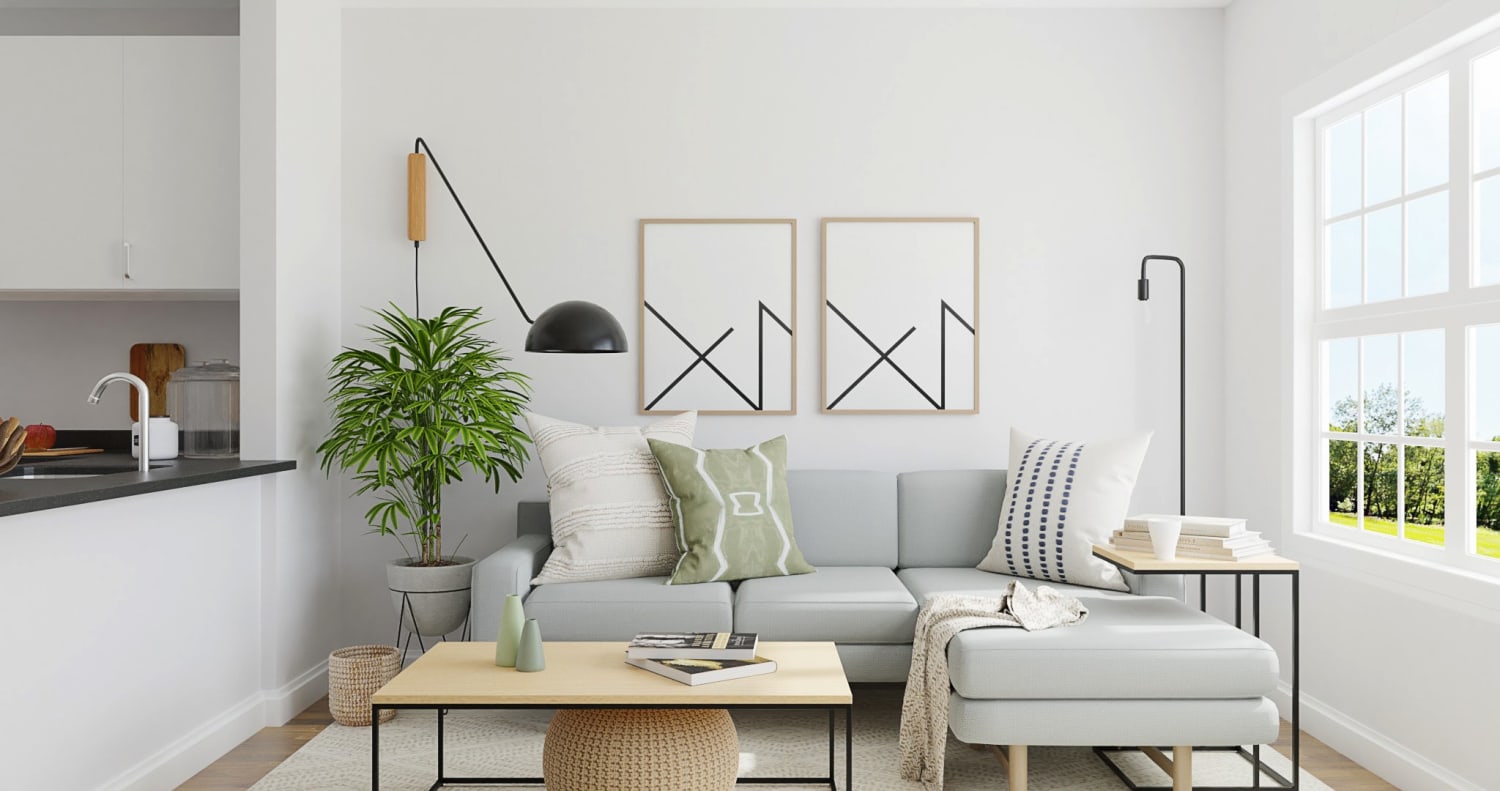
Once you’ve decluttered, you can start thinking about the actual decor. Minimalism isn’t about stark, empty rooms. It’s about carefully choosing pieces that are both functional and beautiful. Think quality over quantity. Invest in a few key pieces that you truly love, rather than filling your space with cheap, trendy items that you’ll quickly tire of. Natural materials like wood, stone, and linen are your friends here. They bring warmth and texture without overwhelming the space. Neutral color palettes are also key. Think creamy whites, soft grays, and warm beiges. These colors create a sense of calm and serenity, allowing your chosen statement pieces to truly shine. I remember agonizing over paint colors for months! But finally, I settled on a warm, off-white, and it completely transformed the space. It felt airy, inviting, and peaceful. It’s amazing how much a simple color choice can impact the overall feeling of a room.

Now, let’s talk about incorporating those statement pieces. Minimalist decor isn’t about being boring! It’s about making every piece count. A beautiful piece of art, a unique vase, a cozy throw blanket – these are the elements that add personality and warmth to your space. Think about the items that truly resonate with you, that tell your story. Don’t be afraid to incorporate personal touches, but do so thoughtfully. Remember, the goal is to create a space that is both stylish and functional, that reflects your personality without feeling cluttered. For example, I have a small collection of vintage ceramic pots that I’ve collected over the years. They’re not expensive, but they hold sentimental value, and they add a touch of character to my kitchen. It’s about curating a collection of items that you love, that tell your story, and that enhance your life, rather than just filling up space.
Lighting plays a huge role in creating a minimalist aesthetic. Natural light is always best, so make the most of it by keeping windows unobstructed. When it comes to artificial lighting, opt for simple, elegant fixtures. Think sleek pendant lights, minimalist floor lamps, or even a beautiful table lamp. Avoid anything too fussy or ornate. Layering your lighting is also important. A combination of ambient, task, and accent lighting will create a warm and inviting atmosphere. I love using dimmable bulbs to adjust the mood of a room. Sometimes, a soft, warm glow is perfect for relaxing in the evening, while bright, crisp light is ideal for working or reading. Lighting is often overlooked, but it’s one of the most effective ways to transform a space. It can completely change the feel of a room, from sterile and cold to warm and inviting. It’s all about creating the right atmosphere for your needs.
Texture is another crucial element in minimalist design. While you’re keeping your color palette simple, don’t be afraid to introduce texture through materials. Think chunky knit throws, woven baskets, a plush rug, or even a piece of textured artwork. These elements add visual interest and warmth without cluttering the space. A beautifully textured rug can anchor a room and add a sense of coziness. I love using natural fiber rugs – they’re durable, sustainable, and add a touch of rustic charm. The key is to use texture strategically, to add depth and interest without overwhelming the eye. It’s about creating a sense of balance and harmony. Think of it like composing a beautiful song – you need a variety of instruments to create a rich and satisfying sound. The same principle applies to minimalist interior design.
Plants are a fantastic way to bring life and energy into a minimalist space. They add a touch of nature and help to purify the air. Choose a few carefully selected plants that complement your decor and thrive in your home environment. A large, statement plant in a simple pot can make a huge impact, while smaller plants can be used to add pops of greenery throughout the room. I find that plants not only add visual appeal but also contribute to a sense of calm and well-being. They bring a touch of the outdoors in, creating a more peaceful and relaxing environment. And don’t forget to take care of them! A thriving plant is a beautiful addition to any minimalist space, but a neglected plant can quickly become an eyesore. So choose plants that suit your lifestyle and commit to caring for them.
And finally, remember that minimalism is a journey, not a destination. It’s an ongoing process of refining your space and your life. It’s about constantly evaluating what you own and making sure that everything serves a purpose or brings you joy. It’s about creating a space that is both beautiful and functional, that reflects your values and supports your well-being. Don’t be afraid to experiment and find what works for you. Minimalism is a personal journey, and there’s no right or wrong way to do it. The key is to create a space that feels calm, peaceful, and truly reflects your unique personality. So take your time, enjoy the process, and embrace the beauty of simplicity. Your calmer, more intentional life awaits. And trust me, the feeling of lightness and clarity that comes with a minimalist home is worth every bit of effort.