
Minimalist Home Decor Inspo: Finding Your Calm Amidst the Clutter
Okay, so you’re thinking minimalist home decor, huh? I get it. The Instagram feeds are overflowing with pristine white spaces, perfectly arranged succulents, and furniture that looks like it floated in from a Scandinavian dream. It’s aspirational, sure, but it can also feel a little… intimidating. Like, how do you actually do that? How do you ditch the stuff without feeling like you’re living in a stark, empty box? The truth is, minimalist decor isn’t about deprivation; it’s about intentionality. It’s about curating a space that nurtures your soul, not suffocates it with excess. It’s about finding beauty in simplicity, in the quiet spaces between the things. It’s about creating a sanctuary, a place where you can truly relax and recharge. It’s about making conscious choices about what you bring into your home, and letting go of what no longer serves you. And that’s a journey, not a destination. It’s a process of learning what truly matters, and creating a space that reflects that. It’s about understanding your own personal style and preferences, and translating those into a home environment that feels authentically you. It’s about finding that sweet spot between sleek and lived-in, modern and cozy. And that’s what we’re going to explore today.
Decluttering: The Foundation of Minimalist Living
Before we even think about stylish storage solutions or carefully curated artwork, let’s talk about the elephant in the room – the clutter. Decluttering isn’t just about tidying up; it’s about a deep dive into your possessions, a process of letting go of things that no longer bring you joy, serve a purpose, or align with your values. Start small. Don’t try to tackle your entire house in one weekend; you’ll burn out before you even begin. Pick one area – a drawer, a shelf, a closet – and dedicate some time to sorting through its contents. Ask yourself: Do I use this? Do I love this? Does this spark joy? If the answer is no, it’s time to let it go. Donate it, sell it, or recycle it. Be ruthless, but kind to yourself. This process can be surprisingly emotional, so allow yourself to feel what you feel. Don’t judge yourself for holding onto things that may hold sentimental value, but be honest about whether they truly bring you happiness or are simply gathering dust. Remember that letting go of possessions doesn’t mean letting go of memories. The memories live within you, not in the objects themselves. And as you declutter, you’ll find that a lighter home leads to a lighter mind. The process is meditative, almost therapeutic. You’ll be amazed at the sense of freedom and clarity that comes with letting go of the excess. You’ll start to appreciate the things you do keep, valuing them more because they’ve earned their place in your carefully curated space. This isn’t just about tidying; it’s about creating space – both physical and mental – for the things that truly matter. And it’s the foundation upon which all other aspects of minimalist decor rest.
Color Palettes: Less is More (But Still So Much!)
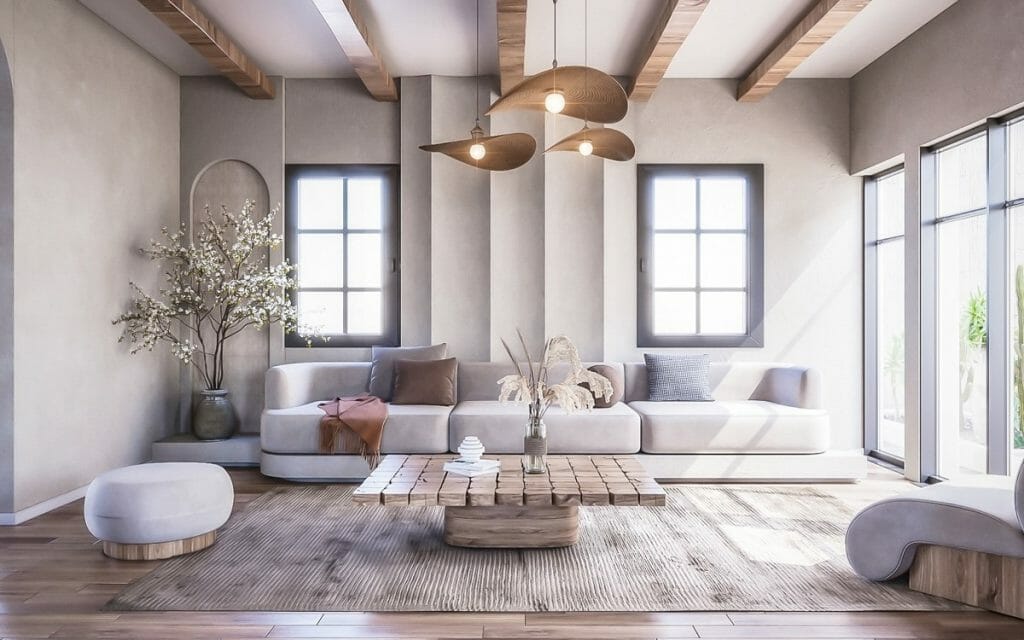
Now, let’s talk about color. Minimalist design often leans towards neutral palettes – whites, creams, grays, beiges. But that doesn’t mean your space has to be boring! Think of these neutrals as your canvas, the perfect backdrop for pops of color here and there. A vibrant throw pillow, a striking piece of art, a colorful vase of flowers – these elements can add personality and warmth without overwhelming the space. The key is to choose a limited color palette, maybe two or three colors that complement each other beautifully. This creates a sense of harmony and visual calm. Don’t be afraid to experiment with texture, too. A chunky knit throw blanket, a woven rug, a velvet cushion – these add depth and interest without cluttering the space. And remember, the beauty of minimalism is in the simplicity. A carefully chosen color palette can elevate your space, creating a feeling of serenity and sophistication. It’s about using color strategically, making each choice count. Avoid overwhelming your space with too many colors or patterns; instead, focus on creating a cohesive and calming atmosphere. Think about how different colors make you feel – blues are often calming, greens are energizing, yellows are cheerful. Choose colors that reflect your personality and create the mood you want in your home. And don’t be afraid to incorporate natural elements like wood and stone, which add warmth and texture without adding visual clutter. The goal is to create a space that feels both stylish and relaxing, a haven where you can unwind and recharge.
Furniture and Functionality: Form Follows Function (And Style!)
Minimalist design isn’t about sacrificing comfort or functionality for aesthetics. It’s about finding furniture that is both beautiful and practical, pieces that serve a purpose and enhance your lifestyle. Think multi-functional furniture – a sofa bed, a coffee table with storage, ottomans that double as seating and extra storage. Choose pieces that are well-made and durable, items that you’ll love and use for years to come. Avoid trendy pieces that you might tire of quickly. Instead, invest in classic designs that will stand the test of time. Quality over quantity is the mantra here. A few well-chosen pieces of furniture are far more impactful than a room crammed with cheap, disposable items. Consider the flow of your space. Arrange your furniture in a way that maximizes functionality and creates a sense of openness and airiness. Avoid overcrowding the room. Leave some space between furniture pieces to allow for easy movement and create a sense of spaciousness. Think about the materials you choose. Natural materials like wood, stone, and linen add warmth and texture, while metallic accents can add a touch of modern sophistication. The key is to create a balance between form and function, creating a space that is both stylish and comfortable. It’s about creating a space that feels both intentional and inviting, a place where you can relax and recharge, surrounded by things you love and use.
Natural Light and Plants: Bringing the Outdoors In
Let’s talk about the magic of natural light. It’s a game-changer in minimalist decor. Maximize natural light by keeping windows unobstructed. Use sheer curtains or blinds to diffuse the light and add a touch of softness. Light, bright spaces instantly feel larger and more airy, creating a sense of openness and calm. This is where the magic of minimalism truly shines – in the simplicity of allowing the natural light to illuminate your space, highlighting the beauty of the carefully chosen elements within. And let’s not forget the power of plants. They add life, color, and texture to a minimalist space without overwhelming it. Choose plants that thrive in your home’s environment and add them strategically to different areas. They can soften harsh lines, add a touch of nature, and improve air quality. The greenery adds a sense of life and vibrancy, a refreshing contrast to the clean lines and neutral palette. They bring a sense of the outdoors in, creating a connection with nature that enhances the calming effect of the minimalist aesthetic. It’s about finding a balance between the structured, clean lines of minimalist design and the organic, natural beauty of the plant life. It’s a harmonious blend, a testament to the fact that minimalism doesn’t have to be cold or sterile; it can be warm, inviting, and full of life.
Art and Accessories: Curated, Not Cluttered
Finally, let’s talk about art and accessories. In a minimalist space, every item should have a purpose and add to the overall aesthetic. Avoid accumulating knick-knacks and unnecessary items. Instead, choose a few carefully curated pieces that reflect your personality and style. A striking piece of art, a beautiful vase, a few well-chosen books – these items can add personality and warmth without cluttering the space. Think about the visual weight of each item. Avoid overcrowding shelves or surfaces. Instead, allow each item to breathe and stand out. The goal is to create a space that feels both intentional and inviting, a place where you can relax and recharge, surrounded by things you love and use. It’s about curating a collection of items that tell a story, that reflect your personal style and passions. It’s not about filling every space; it’s about choosing items that enhance your space, that add to the overall feeling of calm and serenity. And remember, less is more. A few well-chosen pieces are far more impactful than a room cluttered with unnecessary items. It’s about creating a space that feels both stylish and functional, a sanctuary where you can truly relax and be yourself. It’s about finding beauty in simplicity, in the quiet spaces between the things. It’s about creating a home that reflects your soul.