Minimalist Home Decor India: Embracing Simplicity in a Vibrant Culture
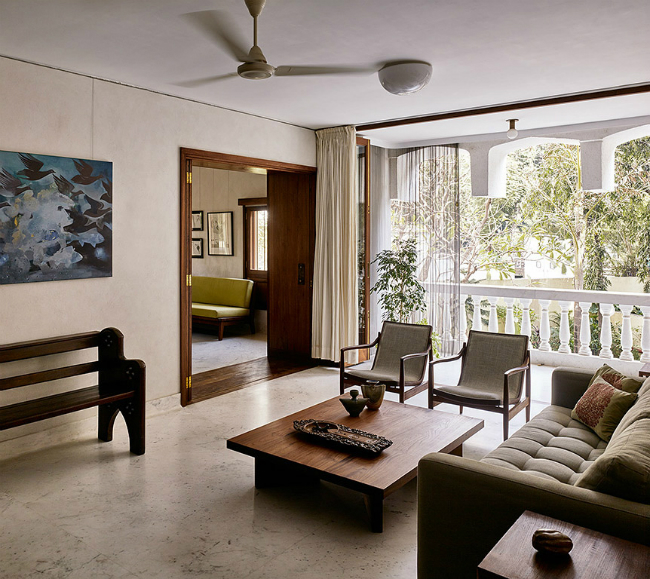
Let’s talk about minimalist home decor in India. It’s a fascinating blend of contrasting aesthetics, isn’t it? The vibrant colours, intricate patterns, and rich textures of traditional Indian design often seem worlds away from the clean lines and uncluttered spaces that define minimalism. But that’s precisely what makes the challenge so rewarding. It’s about finding that sweet spot, that harmonious balance between embracing the essence of minimalism and honouring the beauty of Indian culture. It’s not about stripping away everything; it’s about curating a space that reflects your personality and values while embracing simplicity. I’ve been on this journey myself, slowly decluttering and refining my own home, and I’ve discovered that minimalism in an Indian context is less about a specific style and more about a mindful approach to living. It’s about creating a space that nurtures peace and tranquility amidst the bustling energy of everyday Indian life. It’s about consciously choosing what stays and what goes, and that process itself is incredibly liberating. It’s about finding joy in the simplicity of a well-designed space, a space that doesn’t overwhelm you with excess but instead offers a sense of calm and clarity. And that, my friends, is what makes this journey so worthwhile.
The Art of Decluttering: Letting Go of the Excess
Decluttering is the cornerstone of minimalist home decor, regardless of your location. But in India, with its rich tradition of collecting and cherishing objects, it can feel particularly challenging. We’re often surrounded by heirlooms, gifts from loved ones, and souvenirs from travels – all carrying sentimental value and memories. The key isn’t to discard everything that holds sentimental value, but rather to thoughtfully curate what you keep. Consider taking photos of items that hold special meaning but don’t necessarily need to occupy physical space in your home. This allows you to preserve the memories while decluttering your physical environment. Digital storage is a great tool in this regard. You can create digital albums or even short videos showcasing the items and their associated stories. This is a perfect blend of honoring tradition and embracing modern minimalism. Another approach is to repurpose items. An old saree can be transformed into beautiful cushions, while antique wooden chests can be repurposed as coffee tables. This not only declutters but also adds a unique, personalized touch to your minimalist space, showcasing your creativity and respect for tradition. Remember, decluttering isn’t about discarding everything; it’s about being intentional about what you choose to keep and finding creative ways to honor the memories and cultural significance embedded in your possessions. Think about the energy each item brings into your space. Does it uplift you or weigh you down? That’s a powerful question to ask yourself during the decluttering process.

Choosing the Right Colour Palette: A Minimalist Approach to Indian Hues
Now, let’s talk about colour. In India, vibrant colours are deeply ingrained in our culture, from the bright hues of our festivals to the rich tones of our traditional clothing. But how do we incorporate this vibrancy into a minimalist space without overwhelming it? The secret lies in mindful selection. Instead of using a rainbow of colours, choose a limited palette of 2-3 colours that complement each other. Think of calming neutrals like off-whites, beige, or light greys as your base, and then introduce pops of colour through carefully chosen accessories. A vibrant cushion in a traditional Indian pattern, a hand-painted terracotta pot, or a piece of artwork featuring bold Indian motifs can add a touch of cultural richness without disrupting the minimalist aesthetic. Consider incorporating earthy tones inspired by nature, such as warm browns, deep greens, and muted blues. These colours evoke a sense of calm and tranquility, perfectly complementing the minimalist ethos. Remember, the goal isn’t to eliminate colour entirely but to use it strategically to create a balanced and harmonious space. Perhaps you might choose a single bold colour that resonates with you and use it sparingly, as an accent, allowing it to stand out against a neutral backdrop. This approach allows you to honour your cultural heritage while embracing the simplicity of minimalist design. Experiment with different combinations until you find a palette that speaks to you and reflects your personal style.
Incorporating Natural Materials: A Touch of Nature in Your Minimalist Home
Natural materials are a fantastic way to bring warmth and texture to a minimalist Indian home. Think about incorporating elements like jute, cotton, bamboo, and wood. These materials not only add visual interest but also create a sense of connection to nature, bringing a calming and grounding energy into your space. A jute rug can add warmth underfoot, while bamboo blinds can filter sunlight and create a tranquil atmosphere. Wooden furniture pieces, especially those crafted from sustainably sourced wood, add a touch of elegance and durability. Consider using handwoven cotton textiles for your bedding and curtains. These not only add a touch of elegance but also support local artisans and add a unique, handcrafted element to your minimalist space. The beauty of natural materials lies in their inherent simplicity and their ability to age gracefully. They develop a unique patina over time, adding character and charm to your home. Avoid overly processed or synthetic materials that lack this natural appeal. By choosing natural materials, you are not only enhancing the aesthetics of your minimalist space but also making a conscious choice to support sustainable and ethical practices. This approach aligns perfectly with the minimalist philosophy of mindful consumption and appreciation for quality over quantity. The subtle textures and earthy tones of natural materials will create a space that is both visually appealing and environmentally responsible.
Minimalist Furniture: Form and Function in Harmony
Minimalist furniture in an Indian context requires careful consideration. We need to balance the desire for clean lines and uncluttered spaces with the need for functional and comfortable furniture suitable for Indian lifestyles. Avoid overly ornate or bulky pieces. Instead, opt for simple, well-designed furniture that serves a purpose and enhances the overall aesthetic of your space. Multi-functional furniture is your best friend in a minimalist home. A sofa bed can serve as both seating and sleeping space, while ottomans can double as storage solutions. Choose furniture made from natural materials like wood or cane, opting for neutral colours that complement your overall palette. Consider incorporating traditional Indian craftsmanship into your furniture choices, perhaps by selecting pieces with subtle carvings or hand-painted details. This allows you to blend traditional aesthetics with the minimalist ethos, creating a space that is both modern and culturally relevant. Remember, the goal is not to have as little furniture as possible but to have only the furniture that truly serves a purpose and enhances your living experience. Each piece should be carefully selected and contribute to the overall harmony and functionality of your space. Don’t be afraid to invest in high-quality pieces that are built to last, as this aligns with the minimalist principle of valuing quality over quantity.
Accessorizing with Intention: A Few Well-Chosen Pieces
Accessorizing a minimalist Indian home is about quality over quantity. Avoid cluttering your space with numerous small items. Instead, choose a few carefully selected pieces that add personality and visual interest. Think about incorporating traditional Indian crafts like hand-painted pottery, woven textiles, or metalwork. A single, striking piece of art can become a focal point in your minimalist space, adding a touch of cultural richness and personality. Perhaps a beautifully crafted wooden bowl, a hand-woven carpet, or a vintage brass lamp can elevate the aesthetic of your space without overwhelming it. Remember, less is more. Each accessory should be thoughtfully chosen and contribute to the overall harmony of your space. Avoid impulsive purchases. Take your time to find pieces that truly resonate with you and enhance your living experience. Consider supporting local artisans and craftspeople by purchasing handcrafted items, adding a unique and personal touch to your minimalist space. This approach not only supports local communities but also adds a layer of authenticity and cultural significance to your minimalist decor. The art of accessorizing in a minimalist space is about creating a curated collection of items that speak to your personal style and enhance your overall sense of well-being.