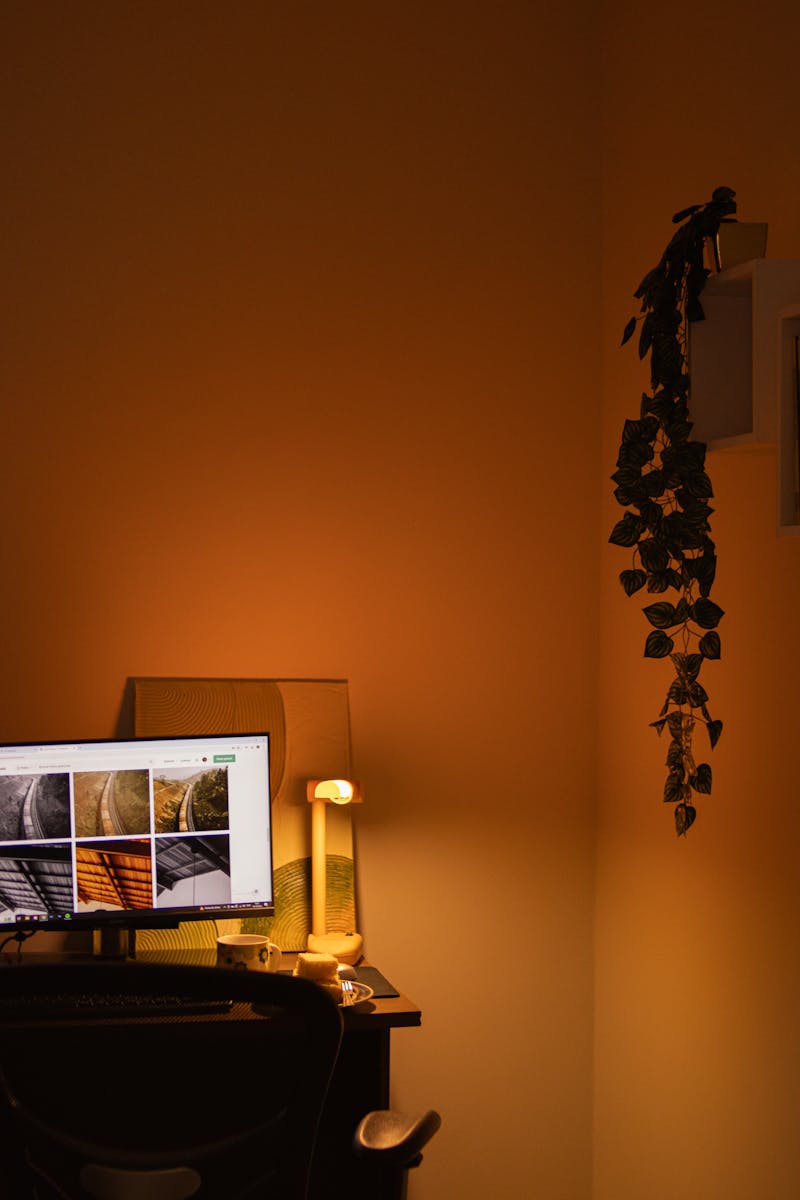
Minimalist decor has steadily evolved from a niche design philosophy to a mainstream trend, embracing the notion of “less is more.” This style emphasizes simplicity, clean lines, functional design, and a calming atmosphere that fosters peace and tranquility. While many people associate minimalism with sleek, modern interiors, it’s a versatile style that can be adapted to fit various spaces and personal tastes. The beauty of minimalist decor lies in its ability to create a sense of flow and function in any room, transforming spaces into serene, organized, and efficient areas.
This article will delve into how minimalist decor can be applied to every room in the house—from the living room to the bedroom, kitchen, bathroom, and beyond. We will explore practical tips and design ideas that will help you achieve a minimalist yet functional space.
The Essence of Minimalist Design
At its core, minimalist design focuses on simplicity, order, and a deliberate lack of excess. The goal is to reduce visual clutter and allow the essentials to shine. Here are some key principles of minimalist decor:
- Neutral Color Palettes: Minimalist spaces typically feature neutral tones such as whites, grays, blacks, and beiges. These colors provide a calm backdrop and make rooms feel more open and airy.
- Clean Lines: Furniture and architectural features in minimalist designs often have clean, straight lines without unnecessary ornamentation.
- Functionality First: In a minimalist space, every piece of furniture or decor should have a functional purpose. Items that are purely decorative or unnecessary are avoided.
- Open Space: Minimalism thrives on creating open, uncluttered spaces. Each room should feel spacious and allow for free movement.
- Quality Over Quantity: Instead of filling a room with many items, minimalist design values fewer, high-quality pieces that stand the test of time.
Now, let’s explore how these principles can be applied room by room.
Minimalist Living Room: A Haven of Calm
The living room is often the centerpiece of the home, where families and guests gather to relax. In a minimalist living room, the goal is to create a space that feels peaceful and uncluttered. Here’s how you can do it:
1. Furniture Selection
In a minimalist living room, opt for furniture with simple silhouettes. Think low-profile sofas, slim coffee tables, and sleek media consoles. Furniture should be functional and comfortable, without excessive ornamentation or bulky designs. Neutral colors such as gray, beige, or white are popular for larger pieces, while accent furniture can feature darker tones or natural wood finishes.
2. Open Shelving
Instead of crowded bookshelves or cabinets, consider open shelving to store and display only the essentials. This helps prevent clutter while allowing your space to breathe. If you do choose shelves, keep them sparse and use them for curated items like a few books, plants, or decorative objects that serve a functional purpose.
3. Declutter
One of the central tenets of minimalist living is the reduction of unnecessary items. Keep only the essentials, like a few throw pillows, blankets, or plants. Clear out any items that don’t contribute to the room’s aesthetic or purpose.
4. Natural Light
Natural light is a cornerstone of minimalist design. Maximize the amount of sunlight coming into your living room by using sheer curtains or opting for large windows with unobstructed views. This will help the space feel airy and open.
Minimalist Bedroom: A Sanctuary for Rest
A minimalist bedroom should feel like a sanctuary, promoting relaxation and restful sleep. The absence of clutter and distractions in a minimalist bedroom creates a peaceful environment that’s perfect for unwinding at the end of the day.
1. Simple Bedframe and Linens
In a minimalist bedroom, the bed should be the focal point. Choose a bedframe with clean lines—preferably in neutral tones like light wood or metal. Bed linens should be simple, such as plain white or gray cotton sheets with minimal patterns. A couple of pillows and a blanket are all you need to keep the space feeling serene.
2. Storage Solutions
In a minimalist bedroom, hidden storage solutions are key to maintaining a clean aesthetic. Opt for furniture pieces that offer built-in storage, such as bedside tables with drawers or storage benches at the foot of the bed. If you need additional storage, consider under-bed options or stylish baskets and boxes that keep things out of sight.
3. Art and Accessories
Minimalist decor avoids overcrowding walls with too many pictures or decorations. Instead, choose one or two key pieces of art that speak to you and reflect the tone of the room. If you want to incorporate accessories like lamps or plants, keep them minimalistic—sleek, modern designs that don’t overpower the space.
4. Neutral Colors
Stick with a calming color palette of whites, soft grays, or earth tones. These hues contribute to a restful environment and make the room feel more spacious. If you want a pop of color, do so sparingly with a throw or an accent pillow.
Minimalist Kitchen: Practicality Meets Style
The kitchen is often one of the busiest rooms in the house, but even here, minimalism can enhance both form and function. A minimalist kitchen focuses on streamlined design and efficient use of space, without sacrificing style or practicality.
1. Clutter-Free Countertops
Minimize clutter on your kitchen countertops by keeping only the items you use regularly. Store appliances and kitchen tools in cabinets or drawers, and keep countertops clear except for a few essentials like a bowl of fruit or a stylish cutting board.
2. Streamlined Cabinets
Opt for flat-front cabinetry with simple, sleek handles or no handles at all. Choose neutral or natural wood tones for the cabinetry to create a sense of warmth, or stick with white for a clean, modern look.
3. High-Quality Appliances
In a minimalist kitchen, prioritize high-quality, efficient appliances that make the most of your space. Stainless steel, black, or white appliances offer a sleek, uniform look that aligns with minimalist aesthetics.
4. Open Shelving or Concealed Storage
While open shelving can add to a minimalist aesthetic, it’s essential to keep the shelves organized and uncluttered. Alternatively, consider concealing storage behind cabinetry doors to create a more uniform appearance. A minimalist kitchen focuses on function without unnecessary decorative pieces.
Minimalist Bathroom: Simple Elegance
Bathrooms are often small, functional spaces, and minimalist design can help make them feel more spacious and serene. Here’s how to create a minimalist bathroom that’s both practical and aesthetically pleasing:
1. Neutral Color Scheme
Stick to a neutral color palette of white, gray, or beige for the walls, tiles, and fixtures. These colors make the space feel larger and more open, providing a tranquil environment for relaxation. You can add depth with small, subtle accent tiles in natural stone or matte finishes.
2. Simple Fixtures
Choose sleek, simple bathroom fixtures with clean lines. For example, opt for a wall-mounted sink or a freestanding tub with minimalistic design. Keep the faucets and hardware simple—think polished chrome or matte black for a modern touch.
3. Storage Solutions
Keep the bathroom tidy by incorporating built-in storage or floating shelves. Consider vanities with clean lines and hidden storage for toiletries. A minimalist bathroom should have as little visible clutter as possible, so find creative ways to store items behind closed doors.
4. Natural Elements
Add a touch of nature with potted plants or wooden accents to create a serene, spa-like feel. A small plant on the countertop or a wooden stool can infuse warmth into the space without overwhelming it.
Minimalist Home Office: Focused and Functional
In today’s world, many people work from home, making the home office an essential space for productivity. A minimalist home office should be clean, organized, and focused, creating an environment that promotes efficiency and creativity.
1. Declutter Your Desk
Keep your desk as free from distractions as possible. Choose a minimalist desk with a sleek design that offers ample workspace without unnecessary drawers or compartments. Keep only the essential items on the desk—such as your computer, notepads, and a pen holder.
2. Functional Storage
Storage solutions should be hidden to maintain the clean look of the space. Use simple filing cabinets, floating shelves, or built-in storage to keep documents and office supplies out of sight. Keep everything organized to maintain a sense of order.
3. Neutral and Calming Color Scheme
Opt for a neutral color palette in your home office to create a focused atmosphere. Whites, grays, and light wood tones are perfect for maintaining a calm and professional environment.
4. Lighting and Ergonomics
Minimalist home offices prioritize both good lighting and ergonomic furniture. Invest in a high-quality office chair that promotes good posture, and use natural light or simple pendant lights to illuminate the space without adding visual clutter.
Conclusion: The Beauty of Minimalist Decor
Minimalist decor is not just about making a space look aesthetically pleasing; it’s about creating an environment that fosters calm, productivity, and comfort. By stripping away the unnecessary and focusing on the essentials, you can create functional and inviting rooms throughout your home. Whether in the living room, bedroom, kitchen, bathroom, or office, minimalist design principles help optimize your space and improve the flow of your home.
By carefully selecting your furnishings, embracing neutral color schemes, and incorporating functional storage solutions, you can create a minimalist space that works for your lifestyle. The goal of minimalist decor is to enhance your life with simplicity, clean lines, and efficient use of space, allowing you to enjoy the beauty of a clutter-free, peaceful home.
So, why not take the first step toward a minimalist home and start creating flow and function in your own space?