Is Boho Chic Home Decor Just Another Trend, or a Reflection of Our Deeper Yearnings?
We’re bombarded with trends, aren’t we? From fleeting fashion fads to the latest tech gadget, the constant churn leaves us wondering what truly resonates. But what about boho chic home decor? Is it just another fleeting style, or does it tap into something deeper within us, a yearning for something more authentic in a world increasingly defined by manufactured perfection? This isn’t just about throw pillows and macrame; it’s about understanding the cultural forces shaping our homes and, by extension, ourselves.
The Allure of the Unfinished: Escaping the Pressure of Perfection
The rise of boho chic home decor, with its embrace of imperfection, contrasts sharply with the polished aesthetic often presented in mainstream media. Think about it – glossy magazines and Instagram feeds showcase meticulously staged homes, devoid of the lived-in chaos that’s the reality for most of us. This curated perfection, while aspirational, can also be incredibly stressful. It sets an unrealistic standard, leaving many feeling inadequate and overwhelmed.
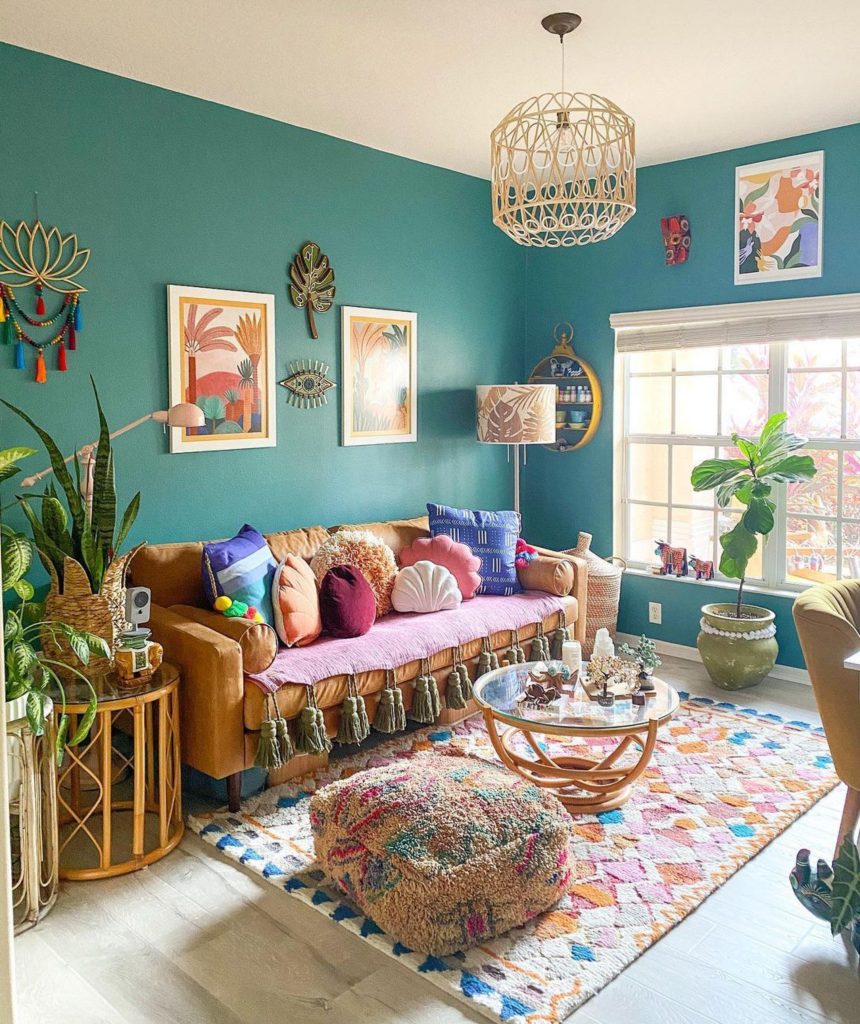
Boho chic, on the other hand, offers a refreshing antidote. It celebrates the imperfect, the handcrafted, the unique. Think mismatched furniture, layered textiles, and plants spilling over from every corner. It’s a style that acknowledges the messiness of life, the beauty in imperfection, and the comfort in authenticity. It’s a rebellion, in a way, against the pressure to constantly achieve a flawless image.
This isn’t simply a matter of aesthetics; it speaks to a deeper cultural shift. The relentless pursuit of perfection, fueled by social media and consumer culture, is taking its toll. Burnout is rampant, anxiety levels are soaring, and many are actively seeking ways to disconnect from the constant pressure to perform. Boho chic home decor, with its emphasis on relaxation and self-expression, offers a tangible escape.
Beyond the Aesthetics: The Roots of Boho Chic
To truly understand the appeal of boho chic home decor, we need to delve into its history. The style’s roots trace back to the bohemian counterculture movements of the 1960s and 70s, a time of social upheaval and a rejection of mainstream values. Bohemians, with their emphasis on individualism, creativity, and freedom of expression, found refuge in their art, music, and, importantly, their homes.
These homes weren’t about conformity; they were personal sanctuaries, reflecting the unique personalities and beliefs of their inhabitants. Handwoven textiles from around the world, eclectic furniture, and vibrant colors created spaces that were both comfortable and expressive. This ethos continues to resonate today, offering a powerful counterpoint to the homogenizing forces of global consumerism.
The resurgence of boho chic in recent years isn’t accidental. It reflects a growing desire for authenticity and a rejection of mass-produced, disposable goods. People are increasingly seeking out handcrafted items, supporting local artisans, and creating homes that reflect their values and identities. This shift reflects a broader movement towards conscious consumerism, a growing awareness of the environmental and social impact of our purchasing decisions.
The Economic and Political Dimensions of Home Decor
The choice of home decor isn’t apolitical. Our homes are not just spaces; they are expressions of our identities, our values, and our place in society. The rise of boho chic, therefore, isn’t just a trend; it’s a reflection of broader political and economic forces.
The increasing cost of living, particularly in urban areas, forces many to prioritize affordability and sustainability. Boho chic, with its emphasis on repurposing and upcycling, offers a practical solution. Finding unique pieces at flea markets or thrift stores not only saves money but also reduces waste, aligning with a growing awareness of environmental concerns.
Furthermore, the popularity of boho chic supports local artisans and small businesses. Unlike mass-produced furniture from large corporations, handcrafted items often come with a story, a connection to a specific community or culture. By choosing boho chic, consumers are actively supporting ethical and sustainable practices, promoting economic empowerment at a grassroots level.
Sustainability and Ethical Consumption: A Deeper Dive
The environmental impact of our consumption habits is undeniable. Fast fashion and mass-produced furniture contribute significantly to pollution and waste. Boho chic, however, offers a more sustainable alternative. The emphasis on natural materials, repurposed furniture, and handcrafted items reduces the environmental footprint of our homes.
This isn’t just about individual choices; it’s about systemic change. The rise of boho chic reflects a growing awareness of the need for more sustainable and ethical consumption patterns. It’s a recognition that our choices have consequences, and that we have a responsibility to make conscious decisions that benefit both ourselves and the planet. This ties into larger movements advocating for fair trade, supporting local economies, and reducing our reliance on unsustainable practices.
Think about the materials: Natural fibers like cotton, linen, and jute are often favored in boho chic, reducing the reliance on synthetic materials that contribute to pollution. Repurposing and upcycling furniture reduces waste and extends the lifespan of existing items, minimizing the demand for new production. These are not just stylistic choices; they are active contributions to a more sustainable future.
Challenges and the Future of Boho Chic
While boho chic offers a compelling alternative to mainstream aesthetics, it’s not without its challenges. The potential for cultural appropriation is a significant concern. The use of indigenous patterns and textiles without proper acknowledgement or compensation can perpetuate harmful stereotypes and exploit cultural heritage. It’s crucial to be mindful of the origins of the items we use and to support businesses that prioritize ethical sourcing and fair trade practices.
Another challenge lies in the potential for boho chic to become yet another commodified trend. As the style gains popularity, there’s a risk that it will be mass-produced and stripped of its original authenticity. This underscores the importance of supporting independent artisans and businesses that prioritize craftsmanship and ethical production.
The future of boho chic will depend on our ability to navigate these challenges. It requires a conscious effort to engage with the style’s deeper meanings, to understand its historical context, and to support businesses that align with its core values of sustainability, ethical production, and cultural respect. It’s about more than just decorating our homes; it’s about creating spaces that reflect our values and contribute to a more just and sustainable world.
Beyond Decoration: Creating a Sanctuary of Self
Ultimately, boho chic home decor is more than just a design aesthetic. It’s a reflection of our deeper yearning for authenticity, connection, and meaning in a world that often feels fragmented and overwhelming. It’s about creating a sanctuary, a space where we can relax, recharge, and reconnect with ourselves and our values. It’s about embracing imperfection, celebrating individuality, and living a life that is both beautiful and meaningful.
So, is boho chic home decor just another trend? Perhaps. But it’s a trend that speaks to something profound, a yearning for something more authentic, more sustainable, and more meaningful in our lives. It’s a trend that challenges us to think critically about our consumption habits, our relationship with the environment, and our place in the world. And that, in itself, is something worth exploring. Let’s not just decorate our homes; let’s create spaces that nourish our souls. What will your sanctuary look like?