Is Bohemian Style Home Decor Just Another Form of Cultural Appropriation?
Ever walked into a space, instantly feeling transported? A room bursting with color, textures, and globally-inspired pieces – that’s the magic of bohemian style home decor. But let’s pause. Before we dive into the vibrant throws and intricately woven rugs, we need to ask a crucial question: is this aesthetic, so often celebrated for its eclecticism, inadvertently participating in a larger conversation about cultural appropriation?
Bohemian style, at its core, celebrates a free-spirited, unconventional approach to design. It’s a melting pot of influences, drawing from global traditions, ethnic patterns, and vintage finds. Think Moroccan poufs, Indian tapestries, and hand-stitched textiles from South America. It’s a visual feast, undeniably beautiful. But this beauty comes with a complex history and ethical considerations we can’t ignore.
The Allure of the "Exotic" and the Problem of Context
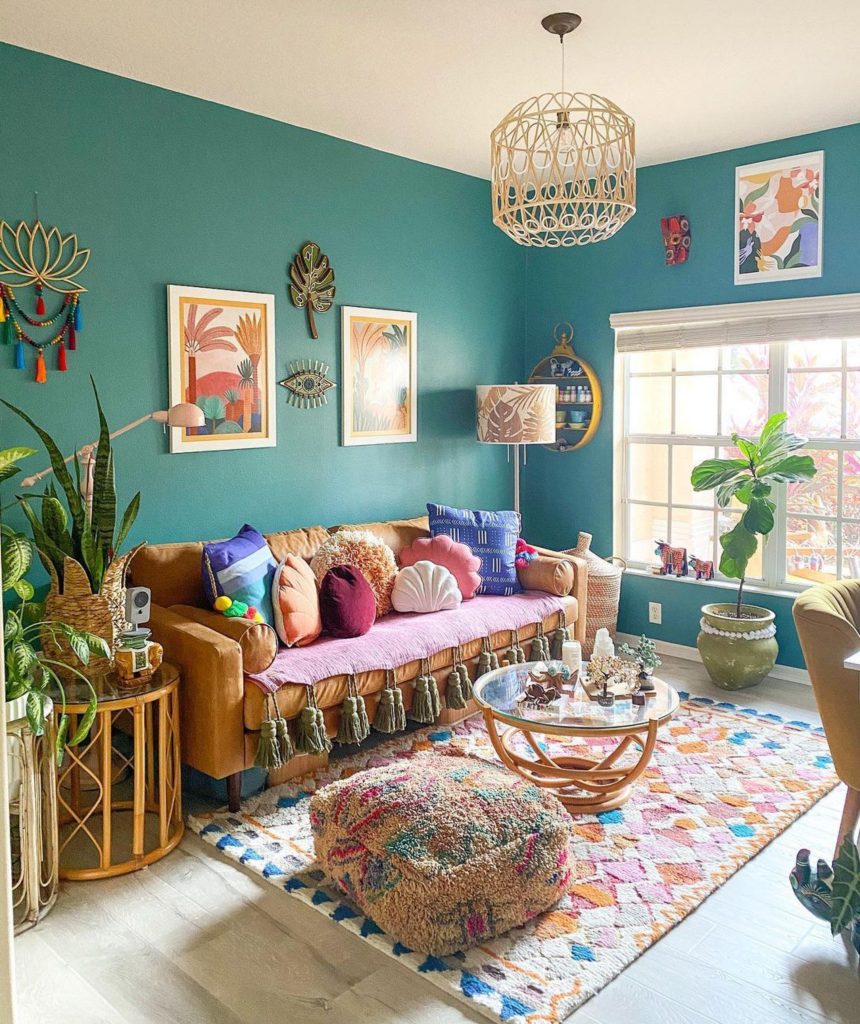
The popularity of bohemian style home decor reflects a broader societal fascination with the "exotic." We’re drawn to the unfamiliar, the handcrafted, the seemingly "authentic." This desire, however, often overlooks the cultural context from which these items originate. A hand-woven rug, for example, might represent generations of tradition and skill within a specific community. When we purchase it solely for its aesthetic appeal, without understanding its cultural significance, are we truly appreciating its value, or are we simply commodifying it?
This isn’t about shaming anyone who enjoys bohemian style. It’s about fostering a deeper understanding of the implications of our consumer choices. Many people decorate their homes with these items unknowingly. They might love the vibrant colors and textures, but lack the historical context. This lack of awareness is a significant part of the problem.
Beyond Aesthetics: The Economics of Cultural Appropriation
The global market for handcrafted goods is vast, and often, the artisans who create these pieces receive a fraction of the profit. Fast fashion and mass-produced "boho-inspired" items further exacerbate this issue, flooding the market with cheap imitations that undermine the livelihoods of skilled craftspeople. Think about the intricate embroidery on a pillowcase – how much of the selling price actually reaches the hands of the person who spent hours meticulously crafting it?
Research from organizations like the World Fair Trade Organization highlights the significant economic disparities in the global craft market. Many artisans, particularly in developing countries, lack the resources and market access to fairly compensate their labor. The bohemian aesthetic, therefore, can unintentionally perpetuate these economic inequalities.
Authenticity vs. Appropriation: A Fine Line
The line between appreciation and appropriation is often blurry. Appreciating a culture involves respecting its traditions, understanding its history, and supporting its artisans. Appropriation, on the other hand, involves taking elements of a culture out of context, often without acknowledging or respecting their original meaning. It’s about using cultural elements for personal gain without giving back to the community that created them.
The question becomes: how can we enjoy the beauty of bohemian style home decor without contributing to cultural appropriation? This isn’t a simple "yes" or "no" answer. It requires conscious effort and a willingness to engage with the complexities of the issue.
Navigating the Ethical Minefield: Conscious Consumerism
So, what can we do? Here are some practical steps towards a more ethical approach to bohemian style home decor:
-
Research the origins of your purchases: Where was the item made? Who made it? What is the story behind it? Websites like Etsy often provide information about the artisans behind the products. Look for sellers who prioritize fair trade practices.
-
Support fair trade organizations: These organizations work directly with artisans in developing countries, ensuring fair wages and safe working conditions. By purchasing from fair trade sources, you’re directly supporting the communities that create these beautiful items.
-
Choose sustainable and ethically-sourced materials: Look for natural fibers like organic cotton, hemp, or recycled materials. Avoid synthetic fabrics that contribute to environmental pollution.
-
Embrace secondhand and vintage finds: Giving pre-loved items a new home is a sustainable and ethical way to add character to your space. Thrift stores and antique markets are treasure troves of unique pieces.
-
Learn about the cultures that inspire your style: Don’t just appreciate the aesthetic; understand the history and meaning behind the patterns, textiles, and objects you choose.
-
Don’t be afraid to ask questions: If you’re unsure about the origins or ethical implications of a product, don’t hesitate to ask the seller. Transparency is key.
-
Mix and match consciously: Don’t just throw a bunch of globally-inspired items together. Think about creating a cohesive look that respects the individual cultures represented. Avoid overly stereotypical representations.
-
Create your own bohemian style: Instead of simply replicating existing styles, experiment with creating your own unique blend of influences. This allows for personal expression without relying on potentially problematic representations of other cultures.
The Future of Bohemian Style: A Call for Conscious Creation
The future of bohemian style home decor hinges on our collective responsibility to consume consciously. It’s about moving beyond the superficial allure of the “exotic” and engaging with the deeper cultural and economic realities behind our choices. We can’t simply ignore the ethical implications of our preferences.
This isn’t about abandoning bohemian style altogether. It’s about transforming it. It’s about creating a more equitable and sustainable approach to design, one that celebrates cultural diversity while respecting the dignity and rights of the artisans who create the beautiful objects that enrich our homes. It’s about a conscious evolution of style, where beauty and ethics go hand in hand.
Let’s not let the pursuit of aesthetic pleasure overshadow the ethical responsibilities we have as consumers. Let’s strive for a bohemian style that is not only beautiful but also just, sustainable, and truly respectful of the cultures it draws inspiration from. The challenge lies in embracing the beauty of global influences while actively mitigating the potential for cultural appropriation. The future of bohemian style depends on it. What will your choices reflect?