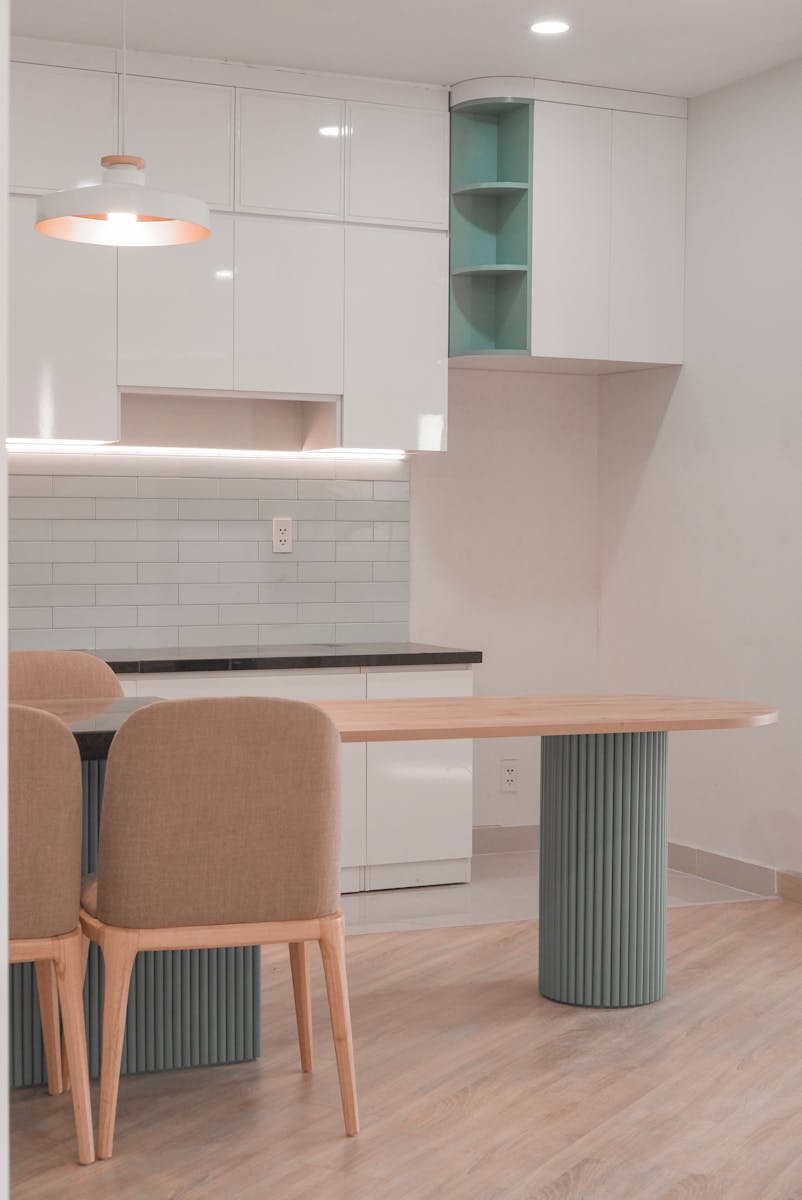
Interior design is constantly evolving. What was once considered trendy and cutting-edge can quickly become outdated as new styles, technologies, and materials emerge. As homeowners, renters, and interior designers, it’s essential to stay ahead of the curve to create spaces that feel fresh, modern, and reflective of the times. Staying ahead of interior design trends not only elevates the aesthetic appeal of a space but also ensures that the environment remains comfortable, functional, and aligned with contemporary tastes.
This article will explore the top interior design trends for 2025, as well as some forecasting ideas that will shape the design landscape in the near future. From color palettes to materials, design philosophies, and furniture styles, we’ll cover everything you need to know to stay ahead in the ever-changing world of home fashion.
1. Sustainable and Eco-Friendly Design
One of the most prominent trends in recent years has been the growing emphasis on sustainability. As environmental concerns continue to dominate global conversations, consumers are increasingly prioritizing eco-friendly materials and practices in their homes. This shift towards sustainability is not just about using recycled materials; it’s about creating spaces that have minimal environmental impact over their entire lifecycle.
Eco-friendly materials such as bamboo, cork, reclaimed wood, and biodegradable textiles are gaining popularity in furniture design and home décor. Designers are also experimenting with innovative materials like mushroom-based leather and biodegradable plastic substitutes. In 2025, we expect to see even more developments in these sustainable materials.
Moreover, the circular design philosophy is gaining momentum, where products are designed with their entire lifecycle in mind. Recycled, upcycled, or repurposed items are becoming a significant part of the design conversation. This not only helps to reduce waste but also offers a sense of uniqueness to a space. Think vintage furniture, second-hand finds, and upcycled fabrics.
Another important element is energy-efficient design. Homeowners are turning to smart technologies, like energy-efficient appliances, LED lighting, and intelligent thermostats, to lower their carbon footprint. As renewable energy sources, such as solar panels, become more accessible, sustainable design is becoming a top priority.
2. Earthy and Natural Color Palettes
The color trends in interior design reflect a broader movement toward bringing the outdoors inside. Shades of green, tan, beige, and terracotta are among the top color choices for 2025. These earthy tones evoke a sense of calm, warmth, and connection to nature.
In particular, green is making a huge comeback. This color has many variations—mint, sage, olive, and emerald—which can be used in different spaces depending on the desired ambiance. Green is associated with tranquility and renewal, making it a perfect choice for living rooms, bedrooms, and even bathrooms.
Meanwhile, warm neutrals like beige, taupe, and warm gray are being favored for walls, furniture, and large textiles. These hues provide a timeless, sophisticated backdrop that complements more vibrant accents, whether it’s a statement piece of art, bold cushions, or patterned rugs. The idea is to use neutral tones as the foundation of the room and layer it with personal touches in the form of accessories and decorative elements.
Additionally, the earth tones of terracotta, rust, ochre, and burnt orange are continuing their rise in popularity. These colors are deeply connected with natural materials such as clay, stone, and brick, adding a rustic, yet modern vibe to interiors. Whether it’s in the form of accent walls, textiles, or furniture, these colors bring warmth and an inviting atmosphere to spaces.
3. Maximalism: Embracing Boldness and Personality
While minimalist interiors have dominated for several years, there is a distinct shift happening towards maximalism in 2025. Maximalism celebrates personality, vibrant patterns, and the mixing of textures and colors. It’s all about creating an eclectic, curated space that feels lived-in and full of character.
This design style embraces bold colors, rich textures, and clashing patterns—everything from floral wallpaper to animal prints, vintage furniture, and colorful throw pillows. The goal is to create a space that reflects the homeowner’s individual personality and life experiences.
For instance, it’s becoming common to mix traditional elements, such as ornate wooden furniture, with modern, sleek finishes. Art pieces of varying sizes and styles are displayed side-by-side, with no regard for typical rules of symmetry. There’s a sense of freedom in maximalism, where contrasts and mismatches are not only accepted but celebrated.
What makes this trend stand out is the importance of personal expression. The furniture, decor, and even wall art in maximalist spaces often tell a story. This gives homeowners an opportunity to curate their spaces in a way that truly reflects their interests, culture, and experiences.
4. Biophilic Design: Bringing the Outdoors In
Biophilic design is based on the idea that humans have an innate connection to nature. It emphasizes the integration of natural elements in the built environment to improve well-being and overall happiness. In 2025, this trend is expected to go beyond the introduction of houseplants. Biophilic design will incorporate natural textures, materials, and shapes into interiors in ways that enhance the physical and emotional experience of a space.
Natural wood, stone, and clay finishes are increasingly being used in everything from floors to walls and furniture. These materials not only look beautiful but help create a healthier indoor environment by improving air quality and regulating humidity. Designers are also turning to living walls, which are vertical gardens of greenery that not only add beauty to a room but also serve as natural air purifiers.
Natural light is a central element of biophilic design. Large windows, skylights, and open spaces are designed to maximize the flow of daylight into a home, creating an uplifting atmosphere. Even in cities where natural light can be limited, clever use of mirrors, reflective surfaces, and glass can help bring in the light.
The connection to nature extends to the patterns and shapes used in interior design. Organic forms—such as curved furniture, pebble-inspired patterns, and floral motifs—are becoming common in both furniture and decor. These shapes and patterns evoke a sense of calm and balance, promoting relaxation and mental clarity.
5. Smart Technology Integration
As smart home technology becomes increasingly sophisticated, the integration of technology into interior design continues to grow. In 2025, we can expect to see more homes seamlessly incorporating smart devices that improve both convenience and comfort without compromising on aesthetics.
From smart lighting systems and temperature control to voice-activated assistants and automated security systems, technology is being embedded into the very fabric of home design. These devices are no longer confined to functional spaces like kitchens and living rooms; they are increasingly being integrated into bedrooms, bathrooms, and even outdoor areas.
Another trend is the rise of augmented reality (AR) and virtual reality (VR) in the design process. Homeowners and designers are using AR to visualize spaces before making decisions on color schemes, furniture placements, and decor. With VR, customers can “tour” a space before it’s even built, giving them a better sense of the design’s flow and functionality.
Lastly, sustainable technology is becoming a major part of the design equation. In addition to energy-efficient appliances, technologies such as solar panels, rainwater harvesting systems, and energy storage solutions are becoming more accessible and affordable. Homes that generate their own energy and minimize waste are at the forefront of the 2025 interior design landscape.
6. Flexible, Multi-Functional Spaces
As lifestyles evolve, so too does the way we use our homes. With the rise of remote work, home-schooling, and other flexible arrangements, homeowners are increasingly looking for ways to maximize the functionality of their spaces. Multi-functional rooms and furniture pieces are in high demand.
For example, a home office may also double as a guest room, and a dining room might serve as an entertainment space, all in one. Modular furniture, such as movable desks, fold-out tables, and expandable shelving, allows homeowners to adapt their living space to different needs.
The design of these spaces emphasizes flexibility and smart organization, with an emphasis on clever storage solutions. Hidden storage, wall-mounted shelves, and furniture that transforms into something else are all part of the equation. The goal is to create spaces that feel open, functional, and adaptable.
Conclusion
The interior design trends of 2025 are characterized by a blend of innovation, sustainability, and personal expression. From the eco-conscious choices of natural materials to the bold embrace of maximalism, these trends reflect our desire to live in spaces that are not only beautiful but also meaningful and functional. Whether it’s incorporating smart technology, connecting with nature through biophilic design, or creating multi-functional spaces, the key to staying ahead of home fashion is to adapt to these changes while maintaining a sense of individuality and comfort.
As we continue to prioritize sustainability, technology, and wellness in our homes, the interior design industry will only continue to grow and evolve. By staying informed and open to new ideas, we can ensure that our homes remain on the cutting edge of design for years to come.