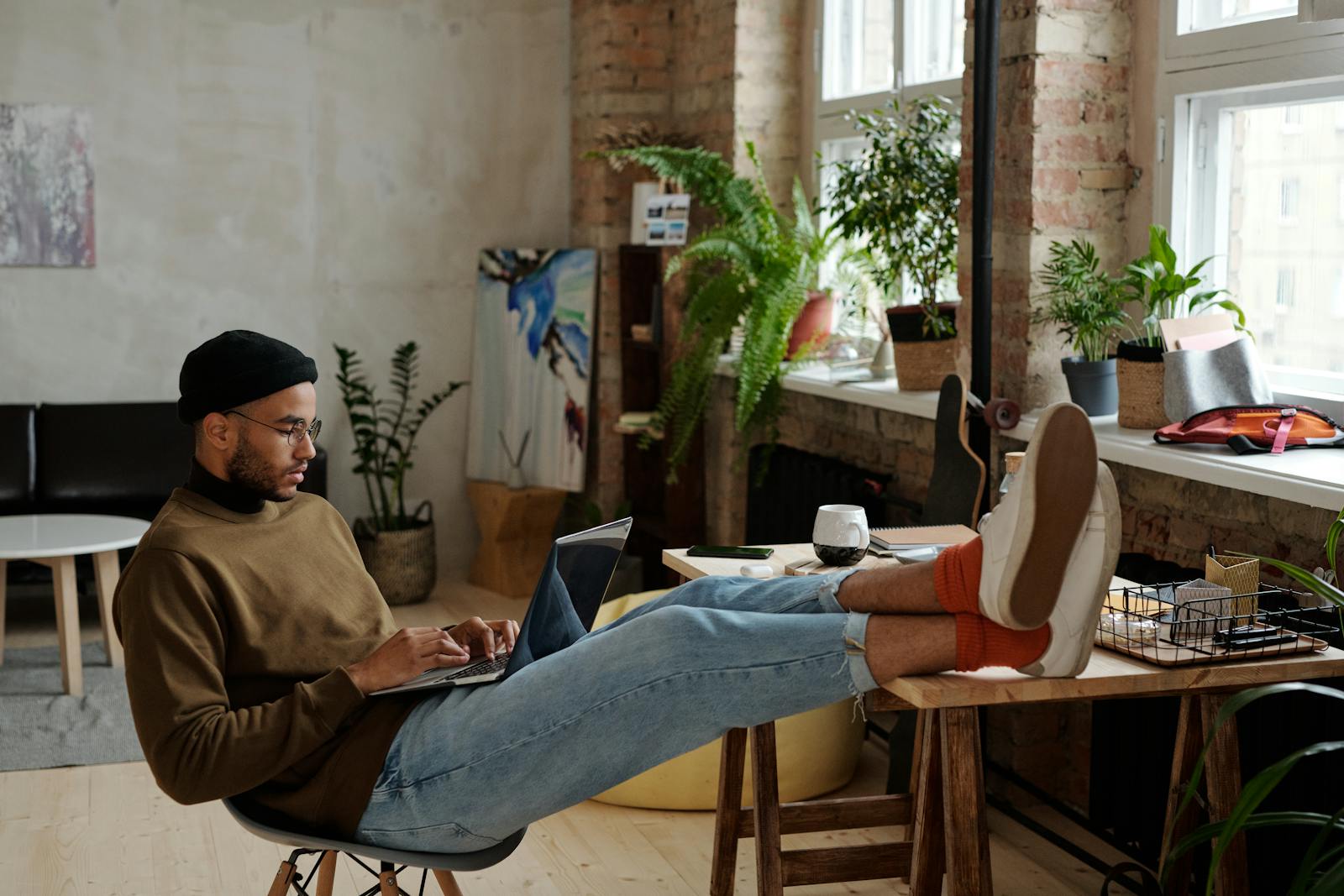
In today’s world, more people are becoming conscious of the impact their daily choices have on the environment. From energy consumption to waste management, sustainability has become a key consideration in all aspects of life. One area where this shift is particularly noticeable is in home décor. As the global awareness of climate change and environmental degradation rises, many individuals are seeking ways to live in harmony with the planet while maintaining a stylish, comfortable, and inviting home. Enter eco-friendly décor, a design philosophy that merges sustainability with style, creating interiors that are as environmentally conscious as they are visually appealing.
Eco-friendly décor isn’t about sacrificing aesthetics for sustainability—it’s about finding innovative ways to incorporate sustainable materials, repurposed items, and energy-efficient solutions into your living space. Whether you’re renovating a single room or revamping your entire home, embracing green living through eco-friendly décor can enhance your quality of life, reduce your environmental footprint, and create a home that exudes beauty, comfort, and care for the planet.
This article will explore the principles of eco-friendly design, delve into the most popular green living trends, and provide actionable tips on how to infuse your home with sustainability while still keeping it chic and stylish.
1. The Core Principles of Eco-Friendly Decor
Eco-friendly décor is about more than just choosing sustainable materials. It involves rethinking how we design our spaces in a way that minimizes environmental impact, improves indoor air quality, and promotes a sustainable lifestyle. There are a few guiding principles that define eco-friendly décor:
Sustainable Materials
One of the cornerstones of eco-friendly décor is using materials that have minimal impact on the environment. Sustainable materials are sourced with consideration for the environment and human health, and they often involve practices such as low-impact harvesting, natural production processes, and fair labor practices. Examples of sustainable materials include:
- Bamboo: A rapidly renewable material, bamboo grows quickly and requires little water or pesticides, making it an eco-friendly choice for flooring, furniture, and accessories.
- Reclaimed Wood: Instead of cutting down trees, reclaimed wood is salvaged from old buildings, barns, and other structures, reducing deforestation and waste. It can be used for furniture, cabinetry, and flooring.
- Cork: Harvested from the bark of cork oak trees without harming the tree, cork is a renewable and biodegradable material. It’s used for flooring, wall coverings, and furniture.
- Recycled Materials: Items made from recycled materials, like glass, metal, and plastic, reduce waste and conserve natural resources. For example, recycled glass countertops or repurposed metal furniture can add both texture and sustainability to your space.
- Natural Fabrics: Materials such as organic cotton, hemp, linen, and wool are grown without the use of pesticides and are often processed with fewer chemicals than conventional fabrics. These materials are ideal for upholstery, bedding, and window treatments.
Energy Efficiency
Energy-efficient décor plays a huge role in reducing your home’s carbon footprint. The goal is to minimize energy consumption while maximizing comfort and convenience. Ways to achieve energy efficiency in your home include:
- LED Lighting: Unlike traditional incandescent bulbs, LED bulbs use far less energy and last much longer, making them a great choice for eco-friendly lighting.
- Smart Thermostats: Installing a smart thermostat allows you to control the temperature of your home more efficiently, reducing energy waste by adjusting heating and cooling systems according to your schedule.
- Energy-Efficient Appliances: From refrigerators to dishwashers, energy-efficient appliances use less electricity and water, making them more sustainable and cost-effective over time.
- Natural Lighting: Maximizing natural light reduces the need for artificial lighting during the day. Consider large windows, skylights, and glass doors to bring in sunlight, and use light-colored wall finishes to reflect that light into your space.
Minimalism and Thoughtful Consumption
Eco-friendly décor often embraces minimalism, encouraging homeowners to reduce clutter, buy fewer, but higher-quality, items, and choose pieces that are functional, durable, and versatile. Thoughtful consumption means purchasing only what you truly need and investing in timeless designs rather than fast furniture or trendy accessories that may end up in a landfill.
- Quality over Quantity: Opt for high-quality items that are designed to last, rather than inexpensive, mass-produced products. This might mean investing in a solid wood table or a comfortable, long-lasting sofa that will stand the test of time.
- Multi-Functional Furniture: Furniture that serves multiple purposes can reduce the need for excess pieces. For example, a bed with built-in storage or a coffee table that doubles as a desk can help declutter your space while keeping things sustainable.
Indoor Air Quality
Indoor air quality is often compromised by the use of toxic paints, adhesives, and cleaning products. In eco-friendly décor, the goal is to enhance air quality by opting for non-toxic and low-VOC (volatile organic compound) paints, finishes, and materials. Additionally, choosing plants for your home can help purify the air and promote well-being.
- Non-Toxic Paints: Look for paints labeled as low-VOC or zero-VOC, which contain fewer chemicals and reduce the off-gassing that can harm your health and the environment.
- Indoor Plants: Certain houseplants, like spider plants, peace lilies, and snake plants, are known to purify the air by absorbing toxins and releasing oxygen, making them a natural air purifier.
2. Eco-Friendly Decor Trends to Embrace in 2025
Eco-friendly décor is an ever-evolving field, with new trends and innovations emerging all the time. Here are some of the most popular green living trends that are shaping the world of stylish, sustainable home décor.
Biophilic Design
Biophilic design is a concept that emphasizes the connection between humans and nature. This design philosophy integrates natural elements into the built environment, not only to create a more sustainable space but to improve well-being and reduce stress. Examples of biophilic design in home décor include:
- Indoor Gardens: Whether it’s a large vertical garden, a few potted plants, or even an indoor herb garden, incorporating greenery into your home brings the outdoors inside and adds a touch of natural beauty.
- Natural Materials: Biophilic design often involves using materials like wood, stone, and clay, which mimic the textures and colors of nature. Wood paneling, stone countertops, and clay tile floors all contribute to a warm, organic atmosphere.
- Natural Light: Maximizing natural light is a key element of biophilic design. Consider installing large windows, glass doors, or skylights to let in more daylight, enhancing both the look and feel of your space.
Upcycled and Vintage Furniture
As sustainability becomes more important, the use of upcycled and vintage furniture is gaining popularity. Rather than buying new items, many homeowners are choosing to restore and repurpose existing pieces, reducing waste and preserving craftsmanship. Upcycling involves taking old, unwanted items and transforming them into something new, while vintage furniture brings timeless charm and history to your home.
- Repurposed Materials: A reclaimed wood bookshelf, a vintage metal bed frame, or an upcycled dining chair can add character and eco-consciousness to your space while reducing the demand for new resources.
- Antique Finds: Incorporating antiques into your home décor is not only a sustainable choice, but it also brings a sense of history and uniqueness to your interior. Seek out local antique stores, flea markets, or online marketplaces for one-of-a-kind pieces.
Sustainable Fabrics and Textiles
The growing awareness of the environmental impact of fast fashion is also reflected in the home décor world. As more people become aware of the waste and pollution caused by the textile industry, sustainable fabrics are emerging as a top trend in interior design. Opting for natural and organic fabrics not only promotes sustainability but also adds softness and warmth to your home.
- Organic Cotton: Grown without synthetic pesticides or fertilizers, organic cotton is a sustainable alternative to conventional cotton and is available for bedding, upholstery, and window treatments.
- Hemp: Hemp is an incredibly sustainable fabric option. It’s durable, biodegradable, and requires minimal water to grow, making it an eco-friendly choice for furniture covers, pillows, and throws.
- Recycled Fabrics: Many companies now produce textiles from recycled materials like plastic bottles, reducing waste and giving new life to unwanted materials.
Water Conservation and Eco-Friendly Plumbing
Conserving water is a crucial component of eco-friendly living, and many homeowners are implementing water-saving fixtures and systems in their homes. Low-flow faucets, dual-flush toilets, and water-efficient showerheads help reduce water usage without sacrificing performance. In addition, rainwater harvesting systems are gaining traction as a way to collect and reuse rainwater for irrigation, cleaning, or even flushing toilets.
Eco-Friendly Flooring
When it comes to flooring, sustainable options are abundant. Cork, bamboo, and reclaimed wood are all eco-friendly alternatives to traditional hardwood floors. They are renewable, biodegradable, and often require less energy to produce than conventional flooring materials. Additionally, tiles made from recycled materials or sustainable stone, such as slate or limestone, offer beautiful, long-lasting solutions that minimize environmental impact.
3. Tips for Creating Your Eco-Friendly Home
Now that we’ve explored some key principles and trends in eco-friendly décor, let’s look at some actionable tips you can implement to create your own sustainable home.
1. Choose Eco-Friendly Paints and Finishes
Opt for low-VOC or zero-VOC paints, stains, and finishes for walls, furniture, and cabinetry. These products emit fewer harmful chemicals, improving indoor air quality and reducing your exposure to toxins.
2. Shop Secondhand and Vintage
Rather than buying new furniture and décor, explore secondhand stores, flea markets, and online marketplaces for unique, sustainable finds. Upcycling and repurposing items not only reduces waste but also gives your home character and a story.
3. Incorporate Energy-Efficient Appliances
Invest in energy-efficient appliances and light bulbs that consume less power, helping you save money on utility bills while reducing your environmental footprint.
4. Use Natural Fabrics and Materials
Incorporate sustainable materials like bamboo, cork, and reclaimed wood into your décor, and choose natural fabrics like organic cotton, linen, and hemp for upholstery and textiles.
5. Bring Nature Indoors
Create a biophilic design by adding indoor plants, maximizing natural light, and using natural materials to connect with the outdoors and improve indoor air quality.
6. Focus on Durability
Invest in high-quality, long-lasting furniture and décor items rather than opting for disposable or fast-fashion pieces. Quality items will save you money over time and reduce your environmental impact.
Conclusion
Eco-friendly décor is more than just a passing trend—it’s a movement that prioritizes sustainability, health, and style in the home. By incorporating sustainable materials, energy-efficient solutions, and mindful consumption into your design choices, you can create a beautiful, eco-conscious living space that reflects your values and enhances your quality of life. From reclaimed wood furniture to energy-efficient appliances, there are endless ways to embrace green living while maintaining a chic, stylish home. With the right approach, you can create a space that is as kind to the environment as it is inviting to your family and friends.