Finding Serenity: My Journey into the Heart of a Japanese Minimalist Home
The scent of hinoki wood still lingers in my memory, a subtle, calming fragrance that perfectly encapsulates the essence of the Japanese minimalist home I discovered nestled in the heart of Kyoto. It wasn’t just a house; it was a philosophy, a way of life whispered in the gentle rustle of bamboo and the soft glow of paper lanterns. My journey to understanding this aesthetic began with a simple curiosity, but it blossomed into a profound appreciation for the beauty of less.
My fascination with Japanese minimalist homes started years ago, fueled by countless images online. Clean lines, natural materials, and a sense of profound tranquility – it all felt incredibly appealing, a stark contrast to the clutter and chaos of my own life. I longed for that sense of peace, that feeling of being surrounded by only what truly mattered. This desire led me to plan a trip to Japan, specifically to experience firsthand the beauty of these homes.
The Gentle Embrace of Shibui
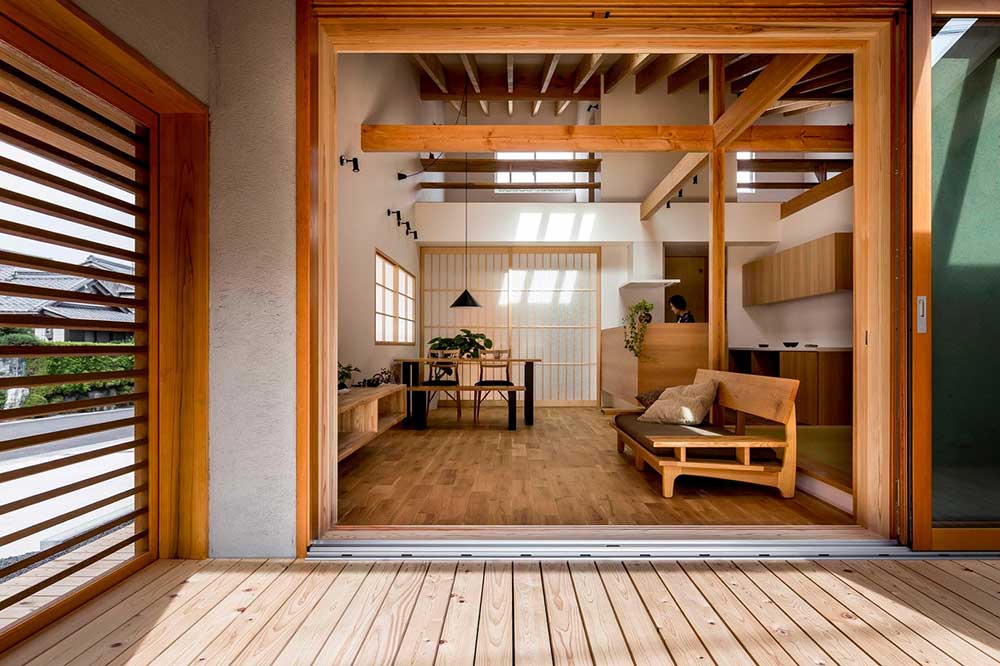
Stepping inside that Kyoto home was like stepping into a different world. The air was crisp and clean, devoid of any overpowering scents. The light filtered softly through shoji screens, casting delicate shadows that danced across the tatami mats. It was a space that felt both incredibly simple and exquisitely refined. This is the essence of shibui, a Japanese aesthetic concept emphasizing understated elegance and subtle beauty.
The furniture was sparse, yet perfectly chosen. A low table made of dark wood, a few carefully selected cushions, and a simple tea set – nothing more was needed. Each piece seemed to have a story, a history, adding to the overall sense of calm and intentionality. There was a deliberate absence of excess, a conscious choice to prioritize quality over quantity. This wasn’t minimalism born out of necessity; it was a mindful curation of objects that brought joy and purpose.
The Art of Negative Space: Ma
The concept of ma, or negative space, was profoundly evident throughout the house. It wasn’t just the absence of clutter; it was the intentional use of empty space to enhance the beauty of what remained. The walls weren’t adorned with numerous paintings or photographs. Instead, their blankness allowed the eye to rest, to appreciate the subtle textures of the wood and the delicate play of light and shadow. This emptiness wasn’t void; it was filled with a sense of quiet contemplation.
The garden, viewed through the sliding doors, was a perfect example of ma. Rocks carefully placed amongst meticulously raked gravel, a single bonsai tree, a few carefully chosen plants – all elements contributing to a sense of serene balance. The space between these elements was as important as the elements themselves. It was in these pauses, in these empty spaces, that the true beauty of the garden, and the house itself, could be truly appreciated. The silence was not empty, but resonant with the quiet hum of nature.
Natural Materials: Connecting with Nature
The use of natural materials was another striking feature of the Japanese minimalist home. The warm tones of the wood, the soft texture of the tatami mats, the subtle coolness of the stone – all these elements created a harmonious connection with the natural world. The materials weren’t just functional; they were aesthetically pleasing, adding to the overall sense of peace and tranquility. They were chosen for their durability and timeless quality.
The choice of wood, in particular, was significant. It wasn’t just any wood; it was hinoki cypress, known for its beautiful grain, its resistance to rot, and its calming fragrance. This attention to detail, this careful selection of materials, reflected a deep respect for nature and a desire to live in harmony with it. It was a subtle but powerful reminder of the interconnectedness of all things. The house felt like an extension of the surrounding environment.
Light and Shadow: A Dance of Subtlety
The interplay of light and shadow within the home was mesmerizing. The soft, diffused light filtering through the shoji screens created a constantly shifting pattern of light and shadow across the floors and walls. This wasn’t harsh, direct sunlight; it was a gentle, ethereal illumination that enhanced the serenity of the space. It was a subtle dance, a quiet ballet of light and darkness.
The strategically placed windows and the design of the screens themselves played a crucial role in controlling the light. They allowed for a natural, even illumination while also providing privacy. This careful consideration of light and shadow underscored the importance of creating a calming and peaceful atmosphere. The changing light throughout the day transformed the space, offering a new experience at every hour.
Functionality and Simplicity: Form Follows Function
Every element within the home served a purpose. There was no unnecessary ornamentation or clutter. Each piece of furniture, each decorative object, had a specific function and contributed to the overall aesthetic. This emphasis on functionality wasn’t about austerity; it was about efficiency and intentionality. It was about valuing quality over quantity.
The storage solutions were seamlessly integrated into the design of the home, keeping everything neatly organized and out of sight. Built-in closets and cabinets were cleverly designed to maximize space and minimize visual clutter. This wasn’t about hiding things away; it was about creating a sense of order and calm. The functionality of the space enhanced the overall feeling of serenity.
The Spiritual Heart of a Japanese Minimalist Home
The Japanese minimalist home isn’t just about aesthetics; it’s about a way of life. It’s about living intentionally, appreciating simplicity, and finding peace in the everyday. It’s a reflection of a deeper spiritual connection to oneself and the surrounding world. The house embodies the principles of Zen Buddhism, emphasizing mindfulness, simplicity, and the appreciation of natural beauty.
The careful attention to detail, the mindful selection of materials, the emphasis on negative space – all these elements contribute to a sense of calm and serenity that is hard to find in the modern world. It’s a space designed to foster contemplation, self-reflection, and a deeper connection with oneself and the natural world. The quietude of the space encourages introspection and a slower pace of life.
Beyond the Aesthetics: A Lifestyle Choice
My experience in that Kyoto home was more than just a sightseeing trip; it was a transformative experience. It wasn’t just about admiring the beauty of the minimalist design; it was about understanding the philosophy behind it, the values it embodies. It was about learning to appreciate the beauty of less, to find peace in simplicity, and to live more intentionally.
The Japanese minimalist home isn’t just a style; it’s a lifestyle. It’s about cultivating a mindful approach to life, about surrounding oneself with only what truly matters, and about finding beauty in the everyday. It’s about creating a space that nurtures the soul, a sanctuary where one can find peace and tranquility amidst the chaos of modern life. It’s a constant reminder of the importance of intentionality in every aspect of life.
Embracing the Journey: My Minimalist Evolution
Returning home, I couldn’t simply replicate the Kyoto home. My own life, my own context, is different. However, the principles I learned – the appreciation of negative space, the use of natural materials, the emphasis on functionality – have profoundly influenced my own living space. It’s an ongoing process, a journey of mindful decluttering and intentional curation.
I’ve begun to incorporate elements of Japanese minimalist design into my own home. I’ve decluttered, donated items I no longer needed or used, and replaced some furniture with pieces that are both functional and aesthetically pleasing. I’ve started incorporating natural materials, such as wood and bamboo, into my décor. It’s a slow, deliberate process, but it’s a rewarding one. It’s a journey of self-discovery and simplification.
The Enduring Appeal of the Japanese Minimalist Home
The allure of the Japanese minimalist home lies not just in its aesthetic appeal but in its profound philosophical underpinnings. It is a testament to the power of simplicity, a reminder that true beauty often lies in what is left unsaid, uncluttered, and unburdened. It’s a space that encourages mindfulness, self-reflection, and a deeper connection with oneself and the natural world.
The Japanese minimalist home offers a powerful antidote to the clutter and chaos of modern life. It’s a sanctuary, a place of peace and tranquility, where one can reconnect with oneself and find a sense of calm amidst the storm. It’s a reminder that less can indeed be more, and that true beauty often lies in simplicity. It’s a philosophy worth embracing, a lifestyle worth pursuing. The journey, like the home itself, is a testament to the beauty of intentionality and the profound peace found in mindful living. It’s a journey I continue to embrace, one step, one decluttered space, at a time.