
Finding Serenity in the Small: My Journey into the Japanese Minimalist Lifestyle
The allure of a clutter-free life, a life unburdened by excess, has always whispered to me. It wasn’t a sudden epiphany, but a slow dawning realization fueled by a growing sense of unease amidst the constant accumulation of "stuff." Then, I discovered the Japanese minimalist lifestyle, and it felt like coming home.
This wasn’t about deprivation, but about intentionality. It wasn’t about sacrificing comfort, but about refining it. It was about finding beauty in simplicity, a philosophy deeply rooted in Japanese culture and aesthetics. My journey into this lifestyle has been transformative, a gradual shedding of excess that has unveiled a profound sense of peace and clarity.
This blog post chronicles that journey, sharing my experiences, challenges, and ultimately, the profound rewards of embracing the Japanese minimalist lifestyle. It’s a personal narrative, a glimpse into how this philosophy has reshaped my life, one decluttered drawer at a time.
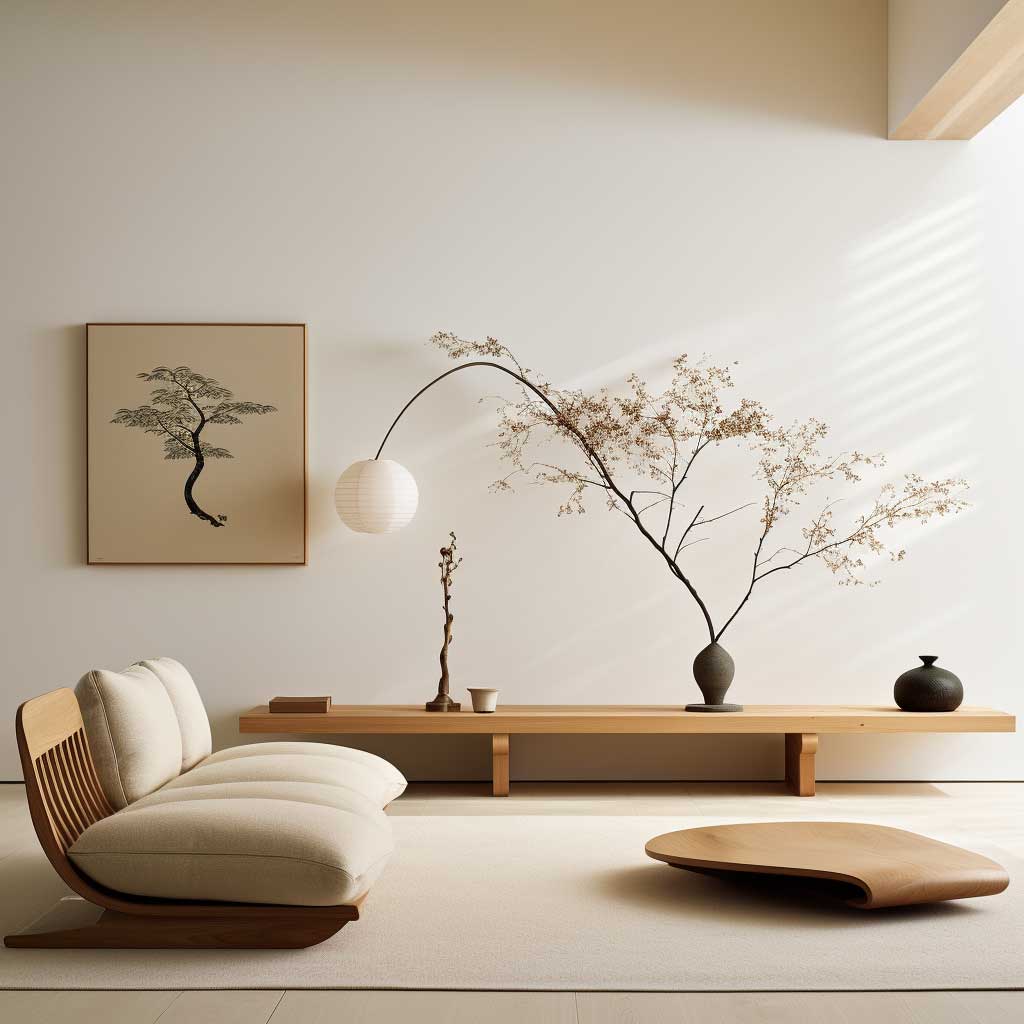
The Initial Spark: A Cluttered Mind, a Cluttered Space
My apartment was, to put it mildly, a disaster. Clothes spilled from overflowing drawers, books piled haphazardly on every surface, and countless knick-knacks cluttered every corner. The physical clutter mirrored the mental clutter in my mind – a constant feeling of overwhelm and anxiety.
I felt suffocated by the sheer volume of possessions. It was a constant battle to find anything, a perpetual state of disarray that seeped into every aspect of my life. I longed for a sense of calm, a space where I could breathe and truly relax.
My research into decluttering techniques led me to the concept of minimalism, and specifically, the Japanese approach. It resonated deeply with me. The emphasis on intentionality, on surrounding oneself only with things that bring joy and serve a purpose, felt profoundly liberating.
The idea of "ma," the Japanese concept of empty space, particularly captivated me. It’s not simply the absence of things, but the presence of potential, of tranquility, and of mindful living. It was a concept I craved, a feeling I wanted to integrate into my everyday life.
Decluttering with Intention: The Art of Letting Go
The first step was daunting. I started small, with a single drawer. I emptied it completely, carefully examining each item. The Japanese minimalist philosophy advocates for a ruthless approach – if an item doesn’t bring joy, serve a purpose, or hold sentimental value, it must go.
It was surprisingly difficult. Sentimental attachments, the fear of needing something later, the guilt of wasting money – these were all powerful obstacles. But with each item I discarded, a sense of lightness filled the space.
I learned to appreciate the beauty of "empty space." The clean, uncluttered drawer felt liberating. The act of letting go was a form of self-care, a release of unnecessary burdens. It was a surprisingly meditative process.
Slowly, methodically, I worked my way through my belongings. I donated items to charity, sold others online, and simply discarded what was beyond repair. The process was gradual, but the results were transformative.
Embracing Wabi-Sabi: Finding Beauty in Imperfection
The Japanese aesthetic of wabi-sabi, which emphasizes the beauty of imperfection and impermanence, became a guiding principle in my minimalist journey. It’s about appreciating the natural cycle of life, accepting the inevitable wear and tear of time, and finding beauty in the unique character of objects.
This philosophy shifted my perspective on possessions. I no longer sought perfection, but rather authenticity. I began to appreciate the patina on my wooden furniture, the slight imperfections in handcrafted ceramics. These imperfections became marks of history, stories of use and time.
The concept of "mottainai," the Japanese word for avoiding waste, also influenced my choices. I became more mindful of my consumption habits, buying less and choosing quality over quantity. Repairing broken items became a priority, extending their lifespan and reducing waste.
Wabi-sabi taught me to appreciate the beauty of simplicity, the elegance of restraint. It wasn’t about owning less, but about cherishing what I did own, valuing its history and its unique character.
Minimalist Living: Beyond the Physical Space
The benefits of Japanese minimalist living extended far beyond the physical realm of my apartment. The decluttering of my space mirrored a decluttering of my mind. I felt less stressed, more focused, and more at peace.
My time became more valuable. Without the constant distraction of clutter, I found myself more productive and more engaged in the things that truly mattered. I had more time for hobbies, for relationships, and for self-reflection.
The Japanese minimalist lifestyle is not about deprivation, but about intentionality. It’s about making conscious choices about what we bring into our lives, both materially and experientially. It’s about prioritizing experiences over possessions.
The journey of Japanese minimalist living is ongoing, an evolution rather than a destination. It’s a continuous process of refinement, of letting go of what no longer serves us, and of embracing the beauty of simplicity. It’s a path to a more mindful, intentional, and ultimately, more fulfilling life.
The Role of Rituals and Mindfulness in Japanese Minimalism
Japanese minimalism isn’t just about decluttering; it’s deeply intertwined with mindfulness and ritual. These practices enhance the overall experience and deepen the sense of peace and intentionality. Morning meditation, for example, became a cornerstone of my daily routine.
The quiet moments of reflection helped me to focus on gratitude and appreciate the simplicity of my surroundings. I found myself more present in my daily activities, savoring the small moments and appreciating the beauty in everyday life.
Practicing mindful consumption also became a key aspect of my lifestyle. Instead of impulsive purchases, I took time to consider whether an item truly served a purpose or brought me joy. This mindful approach drastically reduced my consumption.
The incorporation of traditional Japanese practices, like the tea ceremony, further enhanced my sense of peace and mindfulness. The simple act of preparing and drinking tea became a meditative ritual, a moment of quiet contemplation amidst the busyness of life.
Food and Japanese Minimalism: A Focus on Quality and Seasonality
My approach to food also underwent a transformation. I embraced the Japanese philosophy of "shojin ryori," a vegetarian Buddhist cuisine emphasizing simplicity, seasonality, and the appreciation of natural flavors. This wasn’t about strict adherence to a diet, but a shift in perspective.
I began to prioritize quality over quantity, choosing fresh, seasonal ingredients and preparing simple, nourishing meals. I found joy in the process of cooking, the careful selection of ingredients, and the mindful preparation of each dish.
This mindful approach to food extended beyond meals. I became more conscious of waste, composting food scraps and striving to use every part of an ingredient. The Japanese emphasis on respecting food and minimizing waste resonated deeply with my minimalist values.
The shift to a more mindful approach to food not only improved my physical well-being but also enhanced my overall sense of peace and contentment. It became a tangible expression of my minimalist values, a way to live more intentionally and sustainably.
The Ongoing Journey: Embracing Impermanence and Change
My journey into the Japanese minimalist lifestyle is far from over. It’s a continuous process of learning, adapting, and refining. The beauty of this philosophy lies in its adaptability, its ability to evolve with my changing needs and circumstances.
There are still moments when I struggle with letting go, when the temptation to accumulate creeps in. But the lessons I’ve learned, the sense of peace I’ve gained, serve as constant reminders of the value of simplicity.
The Japanese concept of impermanence, the acceptance of change and the natural cycle of life, has become a guiding principle. I understand that my possessions, like all things, are temporary. This perspective helps me to value them more deeply, but also to let go more easily when the time comes.
My minimalist journey is a testament to the power of intentionality, a reminder that true wealth lies not in the accumulation of possessions, but in the cultivation of peace, contentment, and a deep appreciation for the simple things in life. It’s a journey I am grateful to be on.