
Escaping the Grid: Simple Living Off-Grid and the Quest for Meaning
Are you tired of the relentless churn of modern life? The constant pressure to consume, the suffocating grip of technology, the nagging feeling that something is profoundly missing? For many, the answer lies in embracing simple living off-grid, a conscious rejection of societal norms in favor of a more authentic, sustainable existence. But what does this truly mean, and is it a viable path for a world increasingly tethered to the digital age?
The allure of self-sufficiency has deep roots. Think back to the homesteaders of the American West, carving lives from the wilderness, or the pre-industrial societies that lived in harmony with nature for millennia. Their lives, while challenging, often possessed a richness and purpose absent in our hyper-connected world. Studies by researchers like Richard Louv (in Last Child in the Woods) highlight the detrimental effects of nature-deficit disorder, a condition born from our increasing disconnection from the natural world – a disconnection that simple living off-grid actively combats.
But romanticizing the past isn’t enough. The reality of simple living off-grid is complex. It requires significant upfront investment – land acquisition, building materials, and the learning curve of self-sufficient living. Furthermore, the transition isn’t always smooth. The initial challenges – mastering water collection, sustainable food production, and energy generation – can be daunting. Consider the experience of those documented in books like "The Self-Sufficient Life and How to Live It" by John Seymour; their journeys are testaments to both the rewards and the hardships involved.
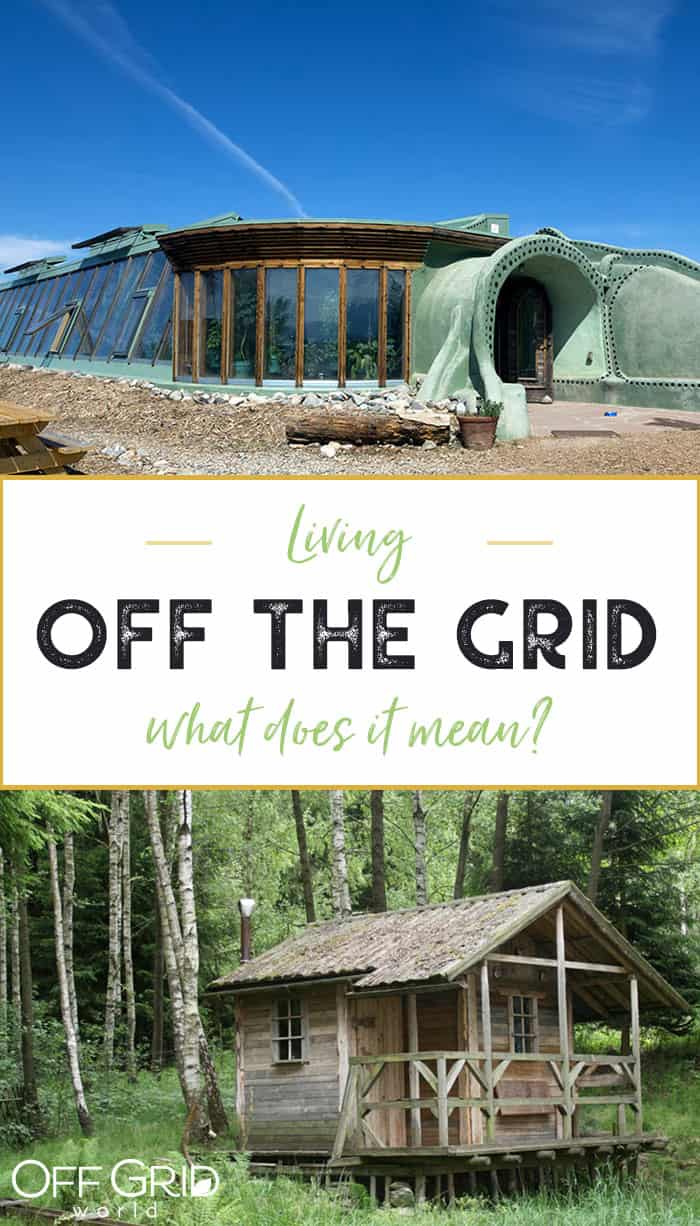
However, the potential benefits are profound. Imagine a life free from the tyranny of the 9-to-5 grind, a life where your time is your own, dedicated to pursuits that truly nourish your soul. This isn’t a rejection of technology entirely; rather, it’s a conscious choice to utilize it selectively, as a tool rather than a master. Solar panels provide power, rainwater harvesting provides clean water, and permaculture techniques offer sustainable food sources. These aren’t just technological solutions; they’re a return to fundamental principles of resource management, a conscious effort to live within the Earth’s carrying capacity.
But the path to simple living off-grid isn’t without its future challenges. Climate change, for instance, poses a significant threat to self-sufficiency, demanding even greater resilience and adaptability. Moreover, the increasing cost of land and the potential for stricter regulations on off-grid living could create significant barriers to entry. We must ask ourselves: how can we create policies that support sustainable living while acknowledging the diverse needs and aspirations of individuals?
The transition to simple living off-grid isn’t a utopian escape; it’s a conscious choice, a mindful rebellion against a system that often prioritizes profit over people and planet. It’s a journey that requires courage, resilience, and a deep connection to the natural world. It’s a path less traveled, but one that offers the potential for a life of greater meaning, purpose, and genuine sustainability. Are you ready to embark on this journey? What steps can you take today to move closer to a simpler, more fulfilling life, even if it’s just a small step towards reducing your reliance on the grid? The future of our planet, and our own well-being, may depend on it.