Escape the Clutter: Unveiling the Beauty of Beach House Minimalist Design
Imagine waking up to the sound of crashing waves, sunlight streaming through minimalist windows, and a breathtaking ocean view – all without the visual assault of clutter. This is the promise of beach house minimalist design, a style that transcends mere aesthetics to offer a sanctuary of peace and tranquility. But is this design trend simply a fleeting fashion, or does it reflect a deeper societal shift towards mindful living?
The rise of minimalist design, particularly in coastal settings, isn’t accidental. It mirrors a growing global weariness with consumerism and a yearning for simplicity. Think of the stark beauty of Japanese Zen gardens, a centuries-old tradition emphasizing serene spaces devoid of unnecessary ornamentation. This philosophy perfectly complements the inherent calmness of a beach setting. The vastness of the ocean, the rhythmic ebb and flow of the tides – these natural elements inherently lend themselves to a minimalist aesthetic. A cluttered beach house, in contrast, feels jarring, disrupting the inherent harmony of its surroundings.
Historically, coastal homes often embraced a maximalist style, filled with ornate furniture and decorative items. However, the shift towards minimalism reflects a conscious rejection of this excess. Studies by the Minimalists (Joshua Fields Millburn and Ryan Nicodemus), documented in their book "Everything That Remains," highlight the positive psychological impact of decluttering and intentional living – a sentiment perfectly embodied in the beach house minimalist design ethos. This isn’t just about aesthetics; it’s about creating a space that fosters mental well-being.
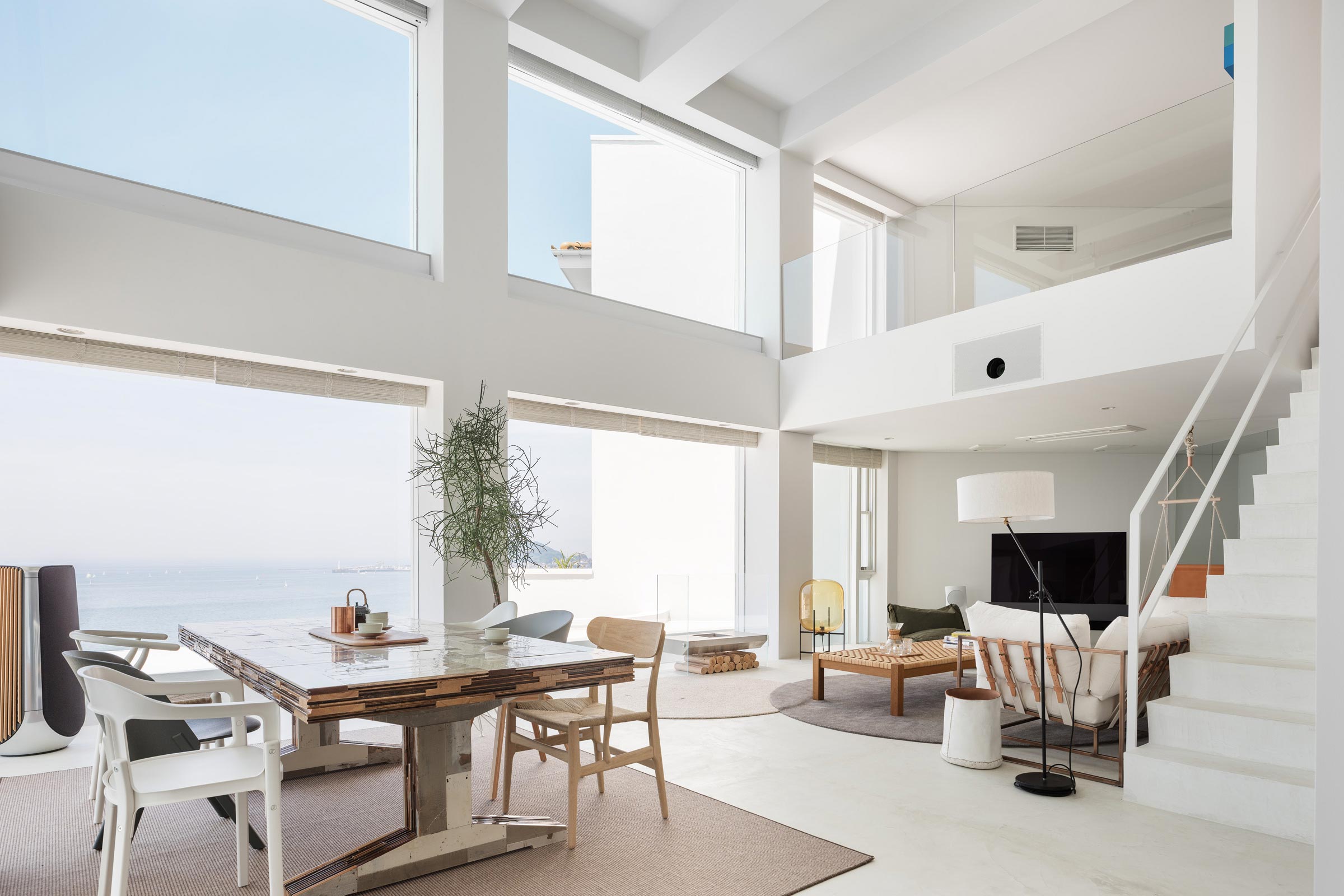
But what does a beach house minimalist design actually look like? Think clean lines, natural materials like light wood and linen, a neutral color palette inspired by sand and sea, and a focus on functionality. Instead of overflowing bookshelves, consider built-in storage solutions that seamlessly integrate into the architecture. Instead of a plethora of decorative pillows, opt for a few high-quality, textured throws. The key is to curate each element, ensuring every piece serves a purpose and contributes to the overall sense of calm.
However, achieving a truly minimalist beach house presents challenges. The inherent casualness of beach life can easily clash with the structured minimalism we’re striving for. How do we balance functionality with aesthetic purity? How do we prevent minimalism from feeling sterile or impersonal?
One solution lies in incorporating natural elements. Driftwood sculptures, seashells artfully arranged, and locally sourced artwork can add personality without compromising the minimalist aesthetic. Furthermore, embracing sustainable and eco-friendly materials aligns perfectly with the mindful philosophy behind this design approach. Think reclaimed wood, organic cotton textiles, and energy-efficient appliances.
The future of beach house minimalist design likely involves even greater integration with technology and sustainability. Smart home systems that seamlessly manage lighting and temperature, coupled with renewable energy sources, could further enhance the tranquil atmosphere and reduce environmental impact. However, we must be mindful not to let technology overshadow the core principles of minimalism – simplicity, intentionality, and connection with nature.
Ultimately, beach house minimalist design is more than just a trend; it’s a lifestyle choice that reflects a growing desire for mindful living and a deeper connection with the natural world. Are you ready to embrace the serenity of less? Are you ready to create your own coastal sanctuary, a space where the beauty of simplicity truly shines? Start decluttering, research sustainable materials, and envision the tranquil haven you deserve. Your minimalist beach house awaits.