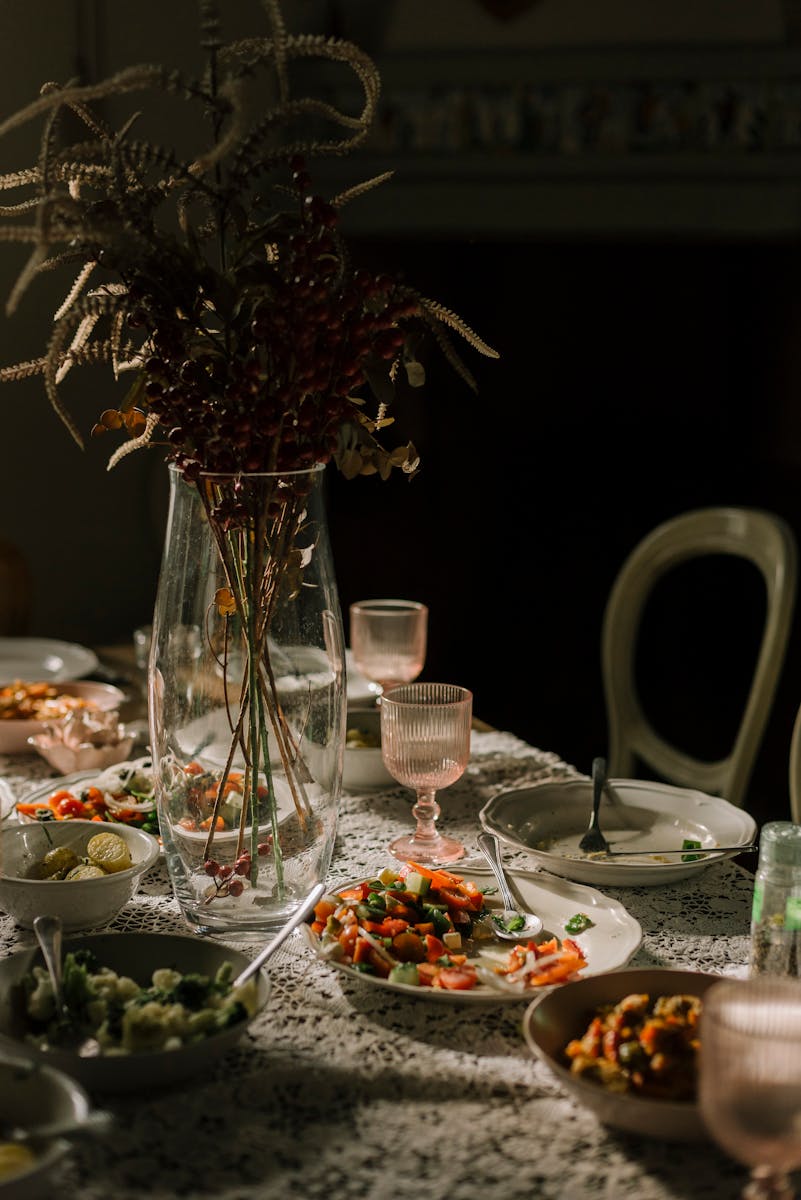
Cooking at home can be one of the most fulfilling experiences. It allows you to express creativity, connect with family and friends, and enjoy a meal crafted from scratch. However, many home chefs tend to rely on basic recipes and conventional ingredients, sometimes missing out on the full potential of what their home kitchen can offer. The world of gourmet cooking is not reserved only for high-end restaurants. With a few secrets, tips, and techniques, you can elevate your home dining and bring the luxury of fine dining into your own kitchen.
This article will guide you through some essential gourmet secrets that every chef—whether you’re an experienced home cook or just getting started—can incorporate into their cooking to create extraordinary meals. From mastering techniques to selecting the finest ingredients, we will explore how you can refine your culinary skills and transform everyday dining into gourmet experiences.
1. The Importance of Fresh, Quality Ingredients
Gourmet cooking begins with the foundation of great ingredients. While store-bought or pre-packaged ingredients can be convenient, they often lack the freshness, flavor, and complexity that make a dish truly stand out. When shopping for gourmet meals, quality and freshness are paramount. Here are some steps to elevate your ingredients:
- Shop Local and Seasonal: Sourcing ingredients locally and seasonally ensures that you’re using the best produce available. Visit local farmers’ markets or establish relationships with trusted purveyors. In-season fruits and vegetables not only taste better but also cost less than out-of-season imports.
- Choose High-Quality Proteins: Whether you’re working with beef, poultry, seafood, or plant-based proteins, it’s essential to use top-quality cuts. For meat, opt for grass-fed, hormone-free, or free-range options. When it comes to seafood, fresh fish from a reputable source, such as a local fishmonger, makes a huge difference in flavor and texture.
- Fresh Herbs and Spices: Fresh herbs bring a level of vibrancy to dishes that dried herbs simply cannot. Invest in a herb garden or buy fresh herbs regularly. Similarly, freshly ground spices provide a depth of flavor that pre-ground versions lack.
2. Perfecting Cooking Techniques
A truly great chef knows how to apply a wide range of techniques, and you can easily master these in your own kitchen. While recipes are helpful, learning cooking techniques can give you the freedom to improvise and experiment.
- Sous-Vide Cooking: One of the hallmark techniques of gourmet chefs, sous-vide involves cooking food in a vacuum-sealed bag submerged in water at a precisely controlled temperature. This method ensures perfect cooking consistency, particularly for proteins like steak, chicken, and fish. Though sous-vide cooking requires a special immersion circulator, the results are unparalleled in texture and flavor.
- Searing and Resting Meat: Searing meat at high heat gives it a flavorful, caramelized crust while locking in juices. However, many home cooks fail to let their meat rest after cooking. Letting your meat rest for a few minutes before cutting it allows the juices to redistribute, making it more tender and flavorful.
- Deglazing: After searing meat, vegetables, or other ingredients in a pan, there will often be flavorful bits stuck to the bottom (fond). Deglazing is the process of adding liquid—wine, broth, or even water—to the pan to lift these caramelized bits off and incorporate them into the sauce. It’s a simple technique that adds incredible depth of flavor to your dishes.
- Emulsifying Sauces: Emulsification is the process of combining two normally incompatible liquids, such as oil and vinegar, into a smooth, stable mixture. This technique is essential for creating gourmet dressings, sauces like hollandaise, or even aioli. To emulsify, whisk the ingredients together slowly while adding the oil in a thin stream, allowing the mixture to thicken and achieve a creamy consistency.
3. Elevating the Presentation
Gourmet dining is as much about aesthetics as it is about taste. The presentation of a dish can make a significant difference in the dining experience. As the saying goes, we eat with our eyes first, so it’s important to make every dish visually appealing. Here are some tips for plating like a pro:
- Choose the Right Plate: The size, color, and shape of your plate can enhance or detract from the food’s appearance. Opt for simple, elegant dinnerware that doesn’t overwhelm the food. White plates are a classic choice because they allow the colors of the dish to pop.
- Use the Rule of Three: A good plating technique often involves arranging elements in groups of three or odd numbers. This is a simple way to create balance and visual harmony. For instance, when plating vegetables, consider arranging three different colors of vegetables in a triangular shape.
- Textures and Layers: Elevate your presentation by incorporating various textures and layers. For example, a dish can feature creamy mashed potatoes, crispy fried shallots, and a tender cut of meat for a variety of textures. Layers of flavors and textures create interest and excitement for the diner.
- Garnishes: Fresh herbs, edible flowers, or a drizzle of sauce can make your dish look more refined. However, be mindful not to over-garnish. A little goes a long way in enhancing the visual appeal without overshadowing the dish itself.
4. Mastering Gourmet Sauces
Sauces are the cornerstone of gourmet cooking. A great sauce can transform a simple dish into something extraordinary. Here are a few essential sauces that every home chef should master:
- Beurre Blanc: This French sauce, made with butter, white wine, and vinegar, is the perfect accompaniment for fish and seafood. The key to a perfect beurre blanc is to ensure the butter is incorporated slowly to create a smooth, creamy consistency.
- Velouté: A velouté sauce is one of the five mother sauces in French cuisine. Made from a roux (flour and butter) and stock, it’s a versatile sauce that can be enhanced with additional ingredients like mushrooms or herbs. It’s ideal for accompanying poultry or fish dishes.
- Pesto: Originating from Genoa, Italy, pesto is a fragrant, herbaceous sauce made with fresh basil, garlic, pine nuts, Parmesan cheese, and olive oil. While basil pesto is the most famous, variations using mint, arugula, or even kale can be equally delicious.
- Espagnole (Brown Sauce): Another mother sauce, Espagnole is rich and hearty, often served with beef dishes. The sauce is made from brown stock, brown roux, and tomatoes, and it can be further enriched with mushrooms or wine for extra complexity.
- Hollandaise: This rich, buttery sauce made with egg yolks, butter, and lemon juice is often served with eggs Benedict, asparagus, or fish. Mastering the technique of emulsifying the egg yolks with butter is essential for a silky, smooth hollandaise.
5. Infusing Flavors with Aromatics
Aromatic ingredients like garlic, onions, shallots, and herbs are the building blocks of flavor in many dishes. When used correctly, they can elevate a meal by adding depth and complexity to the overall taste. Understanding how and when to use these ingredients can transform a good dish into a great one.
- Sweating vs. Sautéing: Sweating vegetables like onions, garlic, and celery in a little fat at low heat allows them to soften and release their flavors without browning. This creates a base for many dishes, from soups to sauces. Sautéing, on the other hand, uses higher heat and results in a more caramelized and intense flavor.
- Infused Oils and Butters: Another way to add layers of flavor is by infusing oils and butters with herbs and spices. For instance, rosemary or garlic-infused olive oil can be drizzled over meats or vegetables to add an aromatic punch. Similarly, truffle butter or lemon butter can enhance the flavor profile of many dishes.
- The Power of Stock: Homemade stock, made from simmering bones, vegetables, and herbs for hours, adds unparalleled depth of flavor to soups, sauces, and risottos. Take the time to make your own stock—it’s a simple yet highly effective way to add a gourmet touch to your meals.
6. Perfecting the Art of Pairing Wine
In gourmet dining, wine pairing is as important as the food itself. The right wine can complement and enhance the flavors of a dish, while the wrong wine can overwhelm or clash with the flavors. Here are some basic principles to keep in mind:
- Red Wines with Rich Dishes: Bold red wines like Cabernet Sauvignon, Merlot, or Syrah pair well with rich, hearty dishes such as steaks, braised meats, or lamb. The tannins in red wine complement the fattiness of these meats.
- White Wines with Lighter Dishes: Lighter, crisp white wines like Sauvignon Blanc, Chardonnay, or Pinot Grigio work well with seafood, chicken, or pasta dishes with creamy sauces. The acidity of white wine helps to balance rich, buttery flavors.
- Sweet Wines for Dessert: Pairing dessert with wine can elevate the sweetness of a dish. A dessert wine, such as a Sauternes or Moscato d’Asti, pairs wonderfully with pastries, tarts, or chocolate-based desserts.
- Experiment with Pairings: While traditional pairings can be a great guide, don’t be afraid to experiment. The right pairing is subjective, and finding new combinations that work for your palate can be an exciting journey.
7. Elevating Sweets and Pastries
No gourmet dining experience is complete without a decadent dessert. While many home cooks may feel intimidated by baking, it’s a rewarding experience that yields impressive results. Start by mastering the basics of pastry and dessert preparation, and then explore more complex recipes.
- Tarts and Pies: A perfectly baked tart or pie can be a showstopper. Use high-quality butter for the pastry crust and seasonal fruit or dark chocolate for the filling. The key is in the balance of sweetness and acidity, especially when working with fruit-based desserts.
- Chocolate and Ganache: The art of tempering chocolate and creating a smooth ganache is essential for creating rich, indulgent desserts. From truffles to mousse, a well-prepared chocolate dessert is a signature of gourmet cooking.
- Crème Brûlée: This classic French dessert made from vanilla custard topped with a layer of caramelized sugar is always a crowd-pleaser. Mastering the art of achieving the perfect golden, crunchy sugar topping is a skill that will impress anyone at your dinner table.
Conclusion: Transforming Your Home Dining Experience
Elevating your home dining doesn’t require expensive equipment or exotic ingredients—it’s all about refining your skills, enhancing your techniques, and focusing on the details. By sourcing the best ingredients, mastering essential cooking techniques, and paying attention to presentation and flavor pairings, you can create meals that rival the best restaurants. Whether you’re cooking a simple weeknight dinner or preparing an elaborate multi-course feast, these gourmet secrets will help you create an extraordinary dining experience that’s both satisfying and unforgettable. So, roll up your sleeves, get creative, and start elevating your home cooking to gourmet heights!