Drowning in Stuff? Marie Kondo Tips to Declutter Your Life and Your Mind
Are you surrounded by possessions that weigh you down, both physically and emotionally? Do you dream of a simpler, more intentional life, free from the clutter that consumes so much of your time and energy? Learning effective Marie Kondo tips to declutter can be the key to unlocking that dream. This isn’t just about tidying; it’s about reclaiming your life.
The modern consumerist culture relentlessly pushes us to acquire more, fueling a cycle of consumption that leaves many feeling overwhelmed and stressed. Think about it: the average American home holds an estimated 300,000 items – a staggering number that speaks volumes about our relationship with possessions. This isn’t a new problem; historical records show that even ancient civilizations grappled with the burden of excess. But in our hyper-connected, digitally-driven world, the pressure to accumulate has intensified. We’re bombarded with advertisements, social media influencers showcasing their latest acquisitions, and a constant stream of "must-have" products. This creates a societal pressure that can be difficult to resist, leading to a sense of inadequacy and dissatisfaction, even amidst abundance.
Enter Marie Kondo, the organizing consultant who sparked a global decluttering revolution with her KonMari Method, detailed in her bestselling book, The Life-Changing Magic of Tidying Up. Her approach goes beyond simple organization; it’s a philosophy centered on cultivating gratitude and intentionality. Instead of merely discarding items, Kondo encourages us to hold each object and ask ourselves: "Does this spark joy?" This simple question cuts to the core of our relationship with our possessions, forcing us to confront the emotional baggage attached to material things.
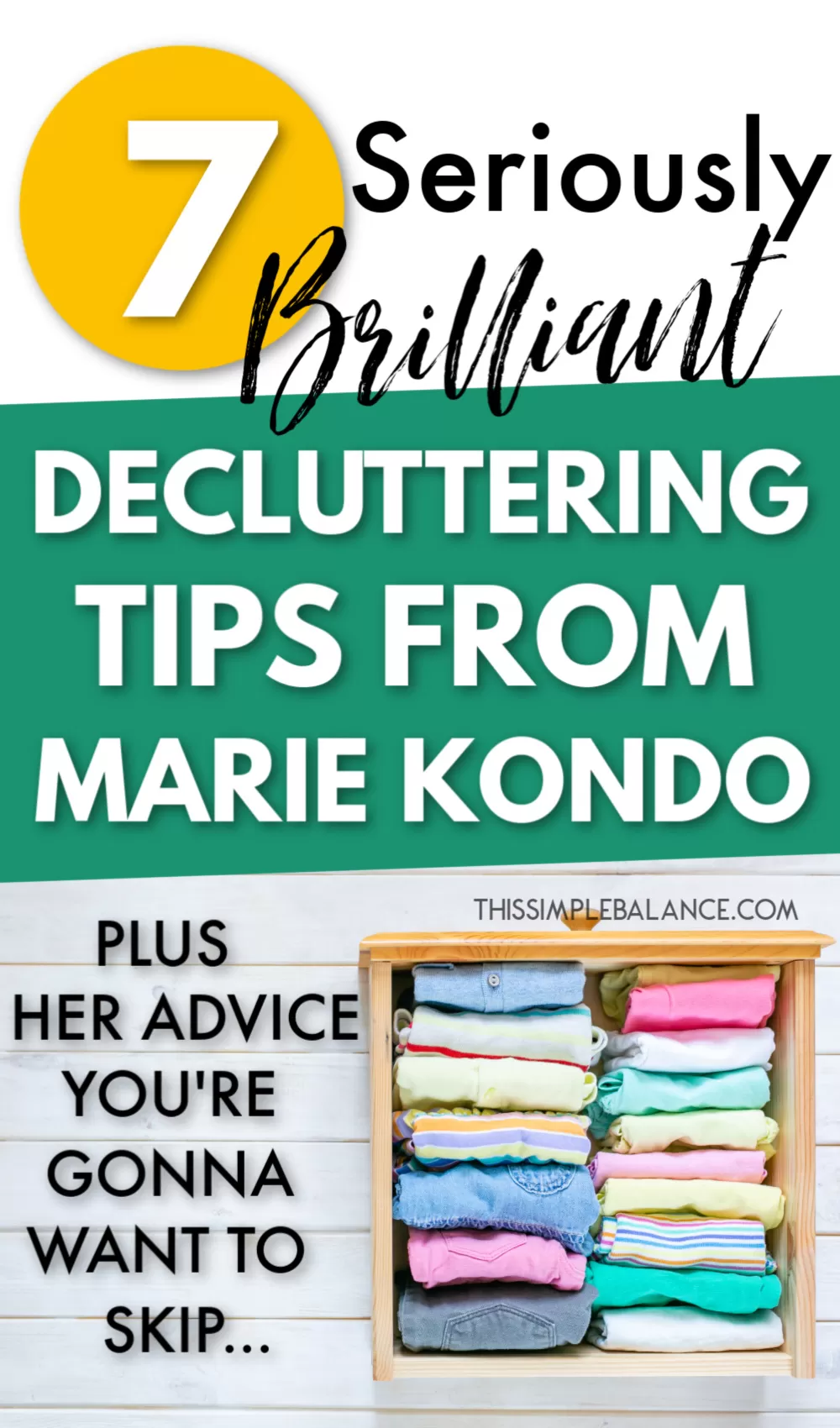
But what if "sparking joy" feels too subjective? What if we struggle to let go of items with sentimental value? Kondo acknowledges these challenges. She suggests focusing on the feeling the object evokes, rather than its practical use or monetary value. A faded photograph might not be aesthetically pleasing, but it could hold cherished memories, sparking joy through nostalgia. Conversely, a brand-new, expensive gadget might sit unused, collecting dust – a stark reminder of wasted resources and unmet expectations.
Kondo’s method also emphasizes tackling decluttering by category (clothing, books, papers, etc.), rather than by location. This holistic approach allows for a deeper understanding of our consumption habits and helps us identify patterns of accumulation. For example, tackling clothing first might reveal a tendency to buy clothes impulsively, leading to a more conscious approach to future purchases.
However, Kondo’s method isn’t a magic bullet. It requires self-reflection, emotional honesty, and a willingness to let go. It challenges our ingrained consumerist tendencies and forces us to confront the deeper reasons why we hold onto certain items. Furthermore, the environmental impact of our consumption habits must be considered. Mindful decluttering is not just about personal well-being; it’s about reducing waste and promoting sustainability.
The future challenges us to develop even more sustainable and mindful approaches to consumption. We need to move beyond simply decluttering and towards a more intentional, minimalist lifestyle. This requires a shift in societal values, a conscious decoupling from the relentless pressure to consume, and a renewed appreciation for experiences over material possessions.
So, what’s your next step? Start small. Choose one category, hold each item, and ask yourself: "Does this spark joy?" This simple act, guided by Marie Kondo’s wisdom, can be the beginning of a journey towards a more fulfilling and less cluttered life. Don’t just tidy your space; tidy your mind. Embrace the Marie Kondo tips to declutter and reclaim your life. The journey starts now.