
Drowning in Disorder? Clutter-Free Tips for a More Meaningful Life
Imagine your life as a meticulously crafted garden, bursting with vibrant blooms and fragrant herbs. Now imagine that same garden, overrun with weeds, choked by tangled vines, and obscured by a mountain of debris. Which garden nourishes your soul? This is the essence of clutter: not just physical mess, but a mental and emotional burden hindering our growth. This article explores clutter-free tips, delving into the profound impact of decluttering on our lives and offering practical steps towards a more serene and productive existence.
Our modern world, fueled by consumerism and instant gratification, has fostered a culture of excess. Think of the overflowing landfills, the endless stream of advertisements promising happiness through acquisition, and the pervasive feeling of "not enough." This relentless pressure to accumulate contributes significantly to the problem of clutter, impacting not only our physical spaces but also our mental wellbeing. Studies, like those published in the Journal of Environmental Psychology, consistently link cluttered environments to increased stress and anxiety. We’re drowning in stuff, and it’s suffocating our potential.
But clutter isn’t just about overflowing closets; it’s a reflection of our internal state. A cluttered mind mirrors a cluttered space. Think of it as a tangled ball of yarn – the more knots, the harder it is to find the beginning, the end, or even the thread you need. This mental clutter manifests as procrastination, indecisiveness, and a general sense of overwhelm. We become paralyzed by the sheer volume of tasks and possessions, unable to focus on what truly matters.
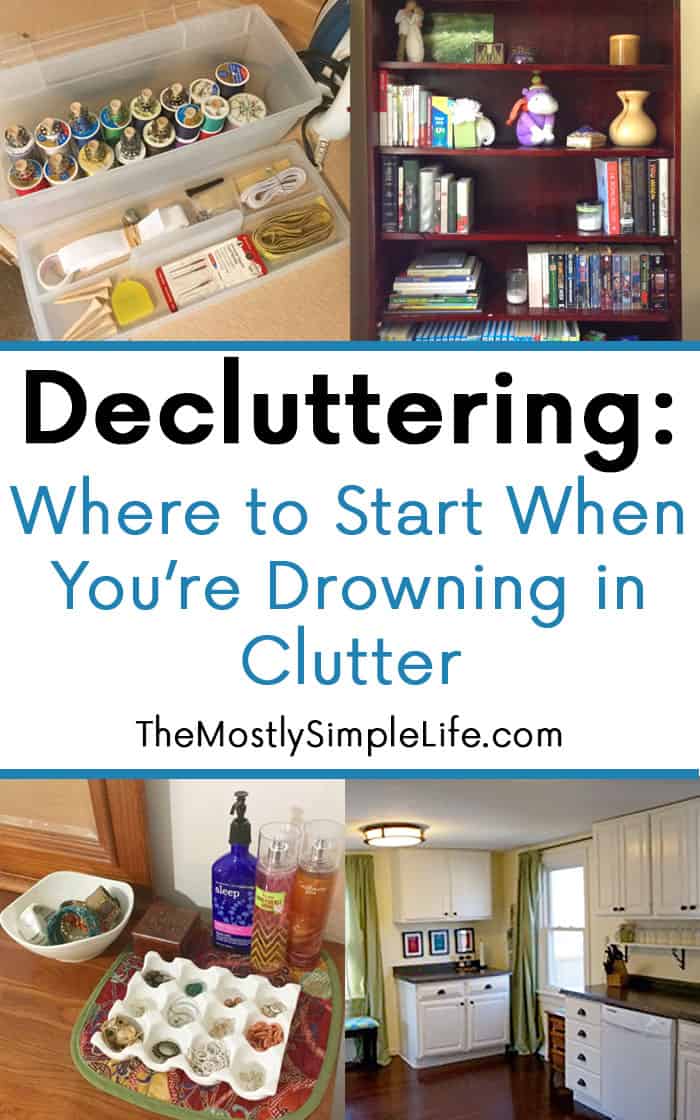
So, how do we escape this cycle? Clutter-free tips aren’t about ruthless minimalism; they’re about mindful intentionality. Start small. One drawer, one shelf, one area at a time. Ask yourself: Does this item serve a purpose? Does it bring me joy? If the answer is no, let it go. Donating unwanted items not only clears physical space but also fosters a sense of generosity and contribution.
The KonMari method, popularized by Marie Kondo, emphasizes the importance of keeping only items that "spark joy." This isn’t about superficial happiness; it’s about connecting with the essence of what truly matters. By surrounding ourselves with objects that resonate with our values, we create a space that reflects our inner selves and supports our well-being.
However, the journey to a clutter-free life is not a sprint; it’s a marathon. Future challenges include the constant influx of new products and the pressure to keep up with trends. We must cultivate a mindful approach to consumption, resisting impulsive purchases and prioritizing experiences over material possessions. This requires a shift in societal values, moving away from a culture of excess towards a more sustainable and intentional way of living.
The question remains: Are we ready to reclaim our lives from the grip of clutter? Are we willing to embrace the simplicity and clarity that comes with a more intentional existence? The path to a clutter-free life is a journey of self-discovery, a process of shedding the unnecessary to reveal the truly valuable. Start today. Begin with one small step, and witness the transformative power of decluttering – not just your space, but your mind and soul.