
Drowning in Delight: Exploring the Maximalist Design Style
Is your home a minimalist sanctuary of calm, or a vibrant explosion of color, texture, and pattern? The answer might reveal more about your personality than you think. This article dives deep into the maximalist design style, exploring its captivating history, its current resurgence, and its implications for our increasingly visually saturated world.
The maximalist design style, in stark contrast to its minimalist counterpart, embraces abundance. Think overflowing bookshelves, richly layered textiles, vibrant wallpapers bursting with motifs, and a joyful collision of colors and eras. It’s a style that rejects the clean lines and sparse aesthetics of minimalism, opting instead for a maximalist aesthetic that celebrates richness and personality. But is this opulent approach merely a fleeting trend, or does it reflect something deeper about our collective psyche?
Historically, maximalism has roots in various periods of opulent design. Think of the Baroque era’s lavish ornamentation, the Victorian era’s cluttered comfort, and the Art Deco movement’s geometric exuberance. These styles, while distinct, share a common thread: a deliberate rejection of restraint in favor of visual richness. This wasn’t simply about aesthetics; it was a reflection of societal power and wealth. The ability to amass and display possessions signified status and success.
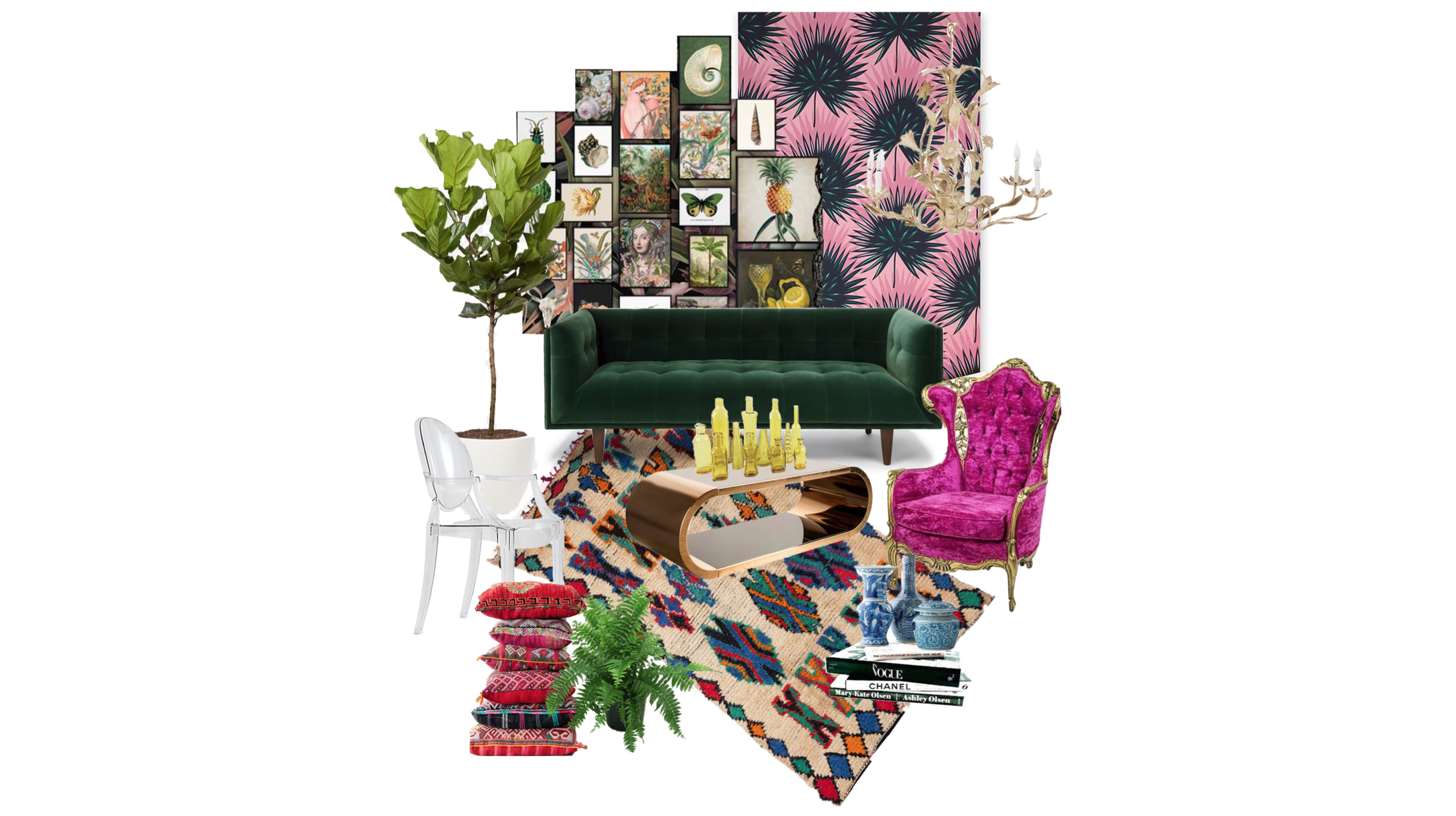
However, the rise of minimalism in the mid-20th century presented a counter-narrative. Minimalism, with its emphasis on functionality and simplicity, reflected a post-war desire for order and efficiency. The clean lines and sparse aesthetics became synonymous with sophistication and modern living, often associated with a certain level of economic privilege.
Yet, in recent years, we’ve witnessed a remarkable resurgence of maximalist design style. This isn’t simply a nostalgic revival; it’s a reaction to the sterile perfection often associated with minimalism. In a world increasingly dominated by digital minimalism and curated online personas, the maximalist aesthetic offers a refreshing antidote – a space for genuine, unfiltered self-expression.
Think of the Instagram accounts showcasing eclectic interiors bursting with personality. These aren’t carefully staged photoshoots; they’re glimpses into lived-in spaces that reflect the complexities and joys of their inhabitants. This shift is supported by data showing a rise in searches for terms like "eclectic decor" and "bohemian style," both closely related to maximalism. (Source: Google Trends data – insert relevant data here if available).
But the question remains: is maximalism sustainable? The environmental impact of consuming vast quantities of goods cannot be ignored. The core problem lies in the potential for irresponsible consumption fueling this aesthetic. The challenge lies in finding a balance: embracing the joyful exuberance of maximalism without succumbing to unsustainable practices.
Alternative solutions exist. We can embrace conscious maximalism, sourcing vintage and secondhand furniture and decor, upcycling existing items, and prioritizing quality over quantity. We can also focus on creating a curated collection of meaningful objects, rather than simply accumulating possessions. This mindful approach allows us to enjoy the richness of maximalism while minimizing its environmental footprint.
The future of maximalist design style will depend on our ability to navigate this tension between expressive abundance and responsible consumption. Will we embrace a more conscious and sustainable approach, or will we succumb to the allure of unchecked consumerism? The answer will shape not only our homes but also our relationship with the environment and our own sense of self. What choices will you make? Let’s start a conversation in the comments below.