
DIY Minimalist Home Decor: Finding Your Style in Simplicity
Okay, so you’re thinking minimalist home decor, huh? I get it. The Pinterest boards are overflowing with pristine white spaces and perfectly arranged succulents, and it all looks incredibly calming…and maybe a little intimidating. Don’t worry, it doesn’t have to be a complete overhaul, a total gutting of your life and possessions. Minimalist decor isn’t about stripping everything away until you’re living in a stark white box; it’s about intentionality. It’s about curating a space that reflects you and brings you joy, but without the clutter. Think of it as a mindful decluttering of both your physical space and your mental one. For me, that started with small changes. I began by tackling one drawer, one shelf, one corner at a time. It’s amazing how much mental space is freed up when you’re not constantly tripping over stuff or feeling overwhelmed by visual chaos. Slowly but surely, I started to see the beauty in less. The freedom in simplicity. And you can too. This isn’t about following trends; it’s about creating a space that truly resonates with you.
The first step, and perhaps the most daunting, is decluttering. This isn’t just about throwing things away; it’s about a careful evaluation of every single item in your home. Ask yourself: Does this bring me joy? Is it functional? Do I actually use it? If the answer is no to all three, it’s time to let it go. I found the KonMari method incredibly helpful – holding each item and feeling its energy, determining if it sparks joy. It sounds a little woo-woo, but trust me, the process is surprisingly effective. Don’t rush it; take your time. It’s okay to take breaks, to get overwhelmed, and to revisit certain areas. I had a whole box of old photos that took me weeks to sort through. Remember, it’s a journey, not a race. And you might be surprised by the sentimental items you’re ready to let go of. This process allowed me to not only clear physical space, but also mental space. I felt lighter, more focused, and ready to create a home that truly reflected my minimalist aesthetic. The key is to be honest with yourself. Holding onto things "just in case" only adds to the clutter and the mental weight.
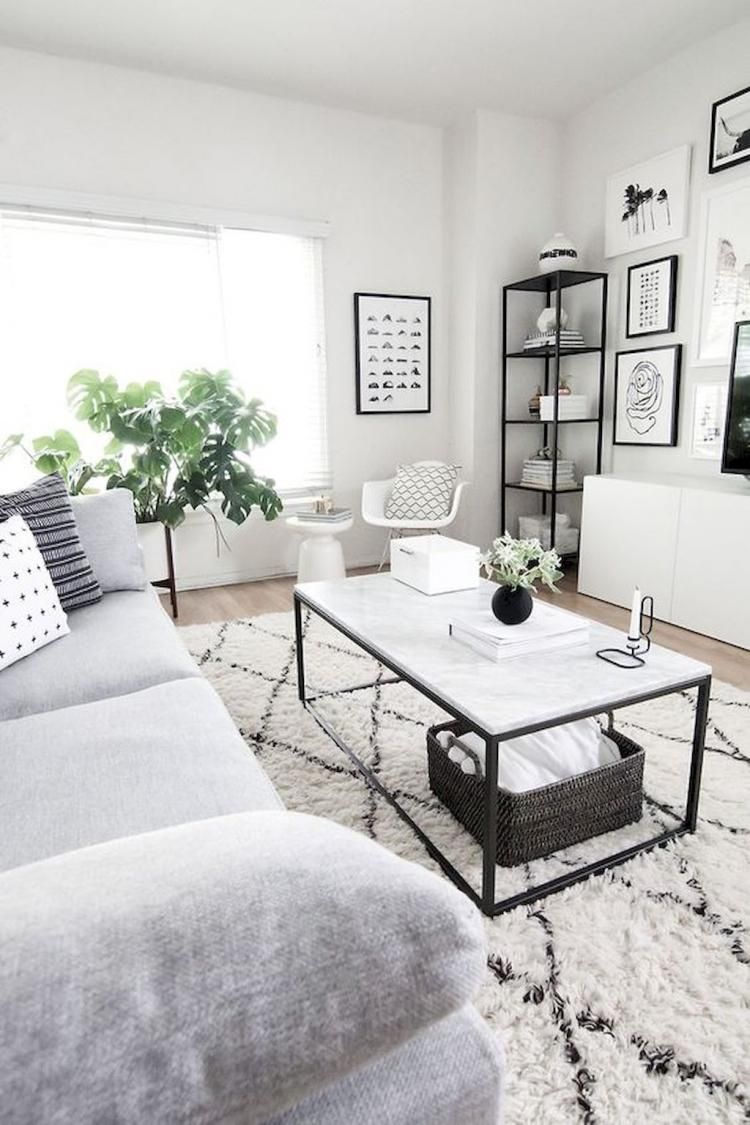
Once you’ve decluttered, you’ll have a much clearer picture of what you’re working with. This is where the fun begins! Now you can start thinking about how to arrange what’s left in a way that maximizes space and minimizes visual clutter. Think clean lines, neutral colors, and functional furniture. But don’t be afraid to incorporate pops of color or texture here and there – it’s all about balance. For me, that meant investing in a few key pieces of furniture – a simple, sturdy sofa, a minimalist coffee table, and a comfortable armchair. I chose pieces in neutral tones that could easily be accessorized. Then I added a few carefully chosen plants to add life and texture. The key is to focus on quality over quantity. It’s better to have a few well-chosen items than a lot of cheap, mass-produced stuff that will quickly become clutter. And remember, less is more. A minimalist space isn’t about emptiness; it’s about intentionality. Every item should have a purpose and bring you joy. It’s about creating a sanctuary, a space where you can relax and recharge.
DIY Projects for a Minimalist Home
Now, let’s get to the fun part: DIY! Minimalist decor doesn’t have to be expensive; in fact, some of the most beautiful and impactful pieces can be made with your own two hands. Start by browsing online marketplaces like Etsy or Facebook Marketplace for secondhand furniture that you can upcycle. A simple coat of paint can transform an old dresser into a stunning minimalist piece. I once found a beat-up wooden side table for a steal and repainted it a soft grey. It now serves as a beautiful and functional addition to my living room. And don’t underestimate the power of repurposing. Old jars can become beautiful vases, wooden crates can be turned into shelves, and old pallets can be transformed into unique wall art. The possibilities are endless! It’s a great way to add personality to your space without breaking the bank or contributing to consumerism. I love the satisfaction of creating something beautiful and functional from something old and discarded. It’s a sustainable and creative outlet that feeds my soul.
One of my favorite DIY projects is making my own candles. It’s surprisingly easy, and it allows you to customize the scent and color to perfectly match your minimalist aesthetic. I usually opt for natural scents like lavender or chamomile, and I use simple, clear glass jars for a clean, uncluttered look. It’s a relaxing and rewarding process, and the end result is a beautiful and fragrant addition to your home. Another easy project is creating your own wall art. Simple geometric shapes, abstract designs, or even framed botanical prints can add a touch of personality without overwhelming the space. You can use paint, fabric, or even natural materials like wood or twigs to create unique and personalized pieces. The key is to keep it simple and let the natural beauty of the materials shine through. Remember, minimalism is about simplicity and functionality, so choose projects that are both easy to execute and visually appealing. Don’t be afraid to experiment and have fun with it!
And don’t forget about textiles! Simple, natural fabrics like linen and cotton can add warmth and texture to a minimalist space without adding visual clutter. You can easily sew your own pillow covers or curtains using simple patterns and affordable fabrics. I love the feeling of natural fibers against my skin, and they add a touch of understated elegance to my home. Even something as simple as knitting or crocheting a throw blanket can add a personal touch and a sense of warmth to your minimalist space. It’s a great way to incorporate your creativity and add a touch of handmade charm to your home. These DIY projects not only add personality and warmth to your minimalist space but also allow you to express your creativity and connect with your inner artist. It’s a surprisingly therapeutic process, and the end result is a home that reflects your unique style and personality. It’s a win-win situation!
Choosing a Minimalist Color Palette
One of the cornerstones of minimalist design is the color palette. Think clean, calming hues. Whites, creams, greys, and beiges are all excellent choices for creating a sense of spaciousness and serenity. But that doesn’t mean you have to live in a monochrome world! You can incorporate pops of color strategically to add personality and visual interest without overwhelming the space. A vibrant throw pillow, a colorful piece of art, or a single statement piece of furniture can add a touch of personality without disrupting the overall minimalist aesthetic. I personally love incorporating natural elements like wood and stone into my color scheme. These natural textures add warmth and depth without being visually overwhelming. The key is to choose a limited color palette and stick to it. This will help to create a sense of cohesion and harmony in your space. Think of it as a blank canvas, allowing your carefully selected pieces to stand out.
The beauty of a minimalist color palette is its versatility. You can easily change the mood of a room by simply swapping out a few accessories. For example, a simple change of throw pillows or a new vase of flowers can completely transform the feel of a space. This flexibility is a great advantage of a minimalist approach. It allows you to easily update your decor to reflect the changing seasons or your changing mood. And it’s so much easier to maintain! Imagine the stress relief of having less to dust and maintain in a space. The freedom is incredible. Remember, the goal is to create a space that feels both calm and inviting, a sanctuary where you can relax and recharge. Don’t be afraid to experiment with different shades and textures until you find a palette that feels right for you. The perfect palette is one that reflects your personal style and brings you a sense of peace and tranquility.
Furthermore, consider the psychological impact of color. Different colors evoke different emotions. Blues and greens are calming and relaxing, while yellows and oranges are energizing and uplifting. By carefully selecting your colors, you can create a space that supports your mood and enhances your well-being. For example, a calming blue bedroom can promote relaxation and better sleep, while a bright yellow kitchen can energize you for the day. It’s all about creating a harmonious and intentional space that works for you. Don’t feel pressured to follow trends or to choose colors that you don’t genuinely love. The most important thing is to choose a palette that brings you joy and makes you feel at home. This personal touch is what truly elevates a minimalist space from simply stylish to genuinely comforting and reflective of your unique self. It’s about creating a haven, a space where you can truly be yourself.
Incorporating Natural Elements
Minimalism isn’t just about a lack of things; it’s also about a connection to nature. Bringing the outdoors in can create a sense of calm and serenity, and it’s a beautiful way to add texture and visual interest to your space without overwhelming it. Think potted plants, natural wood accents, stone elements, and even natural fiber rugs. These elements add warmth and depth, creating a space that feels both modern and inviting. I’ve always loved the simplicity and elegance of natural materials. The textures and colors are so calming, and they bring a sense of the outdoors in. For me, it’s about creating a connection to the natural world, even within the confines of my city apartment.
Plants, in particular, are a fantastic way to add life and vibrancy to a minimalist space. They don’t have to be elaborate; even a single, well-chosen plant can make a big difference. Consider the size and placement of your plants carefully, ensuring they don’t overcrowd the space. I love incorporating different textures and heights to add visual interest. Succulents are a popular choice for minimalist decor because they require minimal care and come in a variety of shapes and sizes. However, don’t be afraid to experiment with other low-maintenance plants like snake plants, ZZ plants, or pothos. The key is to choose plants that thrive in your environment and that you enjoy caring for. It’s a mindful practice that brings a sense of peace and connection to nature.
Beyond plants, consider incorporating other natural elements into your decor. Natural wood furniture, stone accents, and woven baskets all add warmth and texture without being visually overwhelming. These elements can be incorporated in subtle ways, such as a wooden coffee table, a stone vase, or a woven rug. These additions bring a sense of grounding and serenity to your space, creating a haven where you can relax and recharge. It’s a subtle way to connect with nature and bring a sense of calm to your environment. It’s about finding balance and creating a space that feels both modern and inviting. It’s a journey of creating a space that reflects your values and brings you joy, one carefully chosen element at a time. And that, my friends, is the true essence of minimalist home decor.