Designing the Modern Minimalist House: A Reflection on Space, Simplicity, and Sustainability
Are you tired of cluttered spaces and excessive consumption? Do you crave a home that reflects your values of simplicity and sustainability? Designing a modern minimalist house isn’t just about aesthetics; it’s a powerful statement about how we live and interact with our world. This exploration delves into the philosophy and practice of designing a modern minimalist house, examining its impact on our lives and the future of architecture.
The minimalist movement, born partly from post-war consumerism and the Bauhaus school’s emphasis on functionality, challenges our ingrained desire for more. Think of the stark beauty of a Japanese tea room, the clean lines of a Mies van der Rohe skyscraper – these are visual echoes of the core principles of minimalism: functionality, simplicity, and intentionality. Designing a modern minimalist house, therefore, isn’t about deprivation; it’s about conscious curation. It’s about choosing quality over quantity, experience over accumulation.
Historically, minimalist design has been associated with a certain austerity. However, modern interpretations are far more nuanced. They embrace natural light, sustainable materials, and smart technology to create spaces that are both beautiful and environmentally responsible. Consider the work of architects like Tadao Ando, whose masterful use of concrete and natural light creates spaces of profound serenity. His designs are a testament to how less can truly be more.
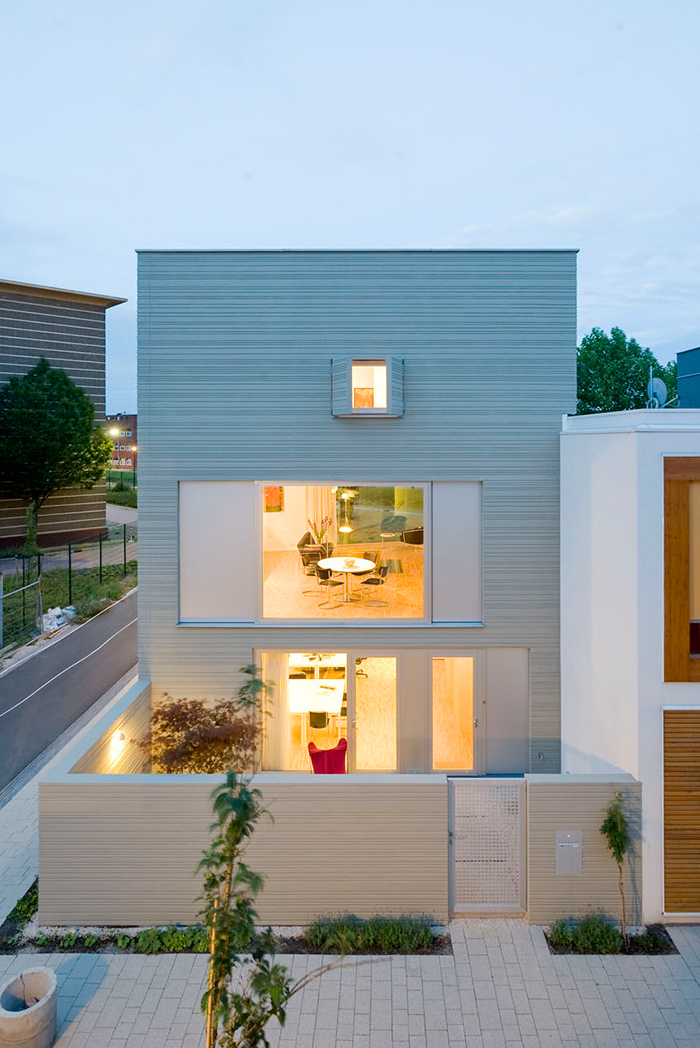
But designing a modern minimalist house presents its own challenges. The core problem lies in navigating the fine line between simplicity and sterility. A minimalist home shouldn’t feel cold or impersonal; it should be a sanctuary, a space that nurtures and inspires. This requires careful consideration of materials, textures, and the strategic use of color. The rise of biophilic design – incorporating natural elements into architecture – offers a compelling solution, blending the clean lines of minimalism with the warmth of nature.
Alternative solutions extend beyond aesthetics. The increasing focus on sustainable building practices offers a crucial path forward. Using recycled materials, incorporating passive solar design, and prioritizing energy efficiency are not just environmentally responsible; they are economically savvy and enhance the overall living experience. Think of the potential of a home powered by renewable energy, reducing your carbon footprint and your energy bills simultaneously.
The future of designing a modern minimalist house is inextricably linked to broader societal shifts. Growing concerns about climate change and resource depletion are pushing architects and designers to re-evaluate their practices. The demand for sustainable, resilient, and adaptable homes is increasing, and minimalist design, with its emphasis on efficiency and resourcefulness, is perfectly positioned to meet this demand. We face the challenge of integrating smart technology seamlessly into these spaces, creating homes that are not only aesthetically pleasing but also highly functional and responsive to our needs.
In conclusion, designing a modern minimalist house is more than just an architectural trend; it’s a reflection of our evolving values and a response to urgent global challenges. It’s a call to cultivate intentionality in our lives, to prioritize quality over quantity, and to create spaces that nurture both our well-being and the planet’s. Are you ready to embrace the simplicity and sustainability of a modern minimalist home? Start exploring the possibilities today.