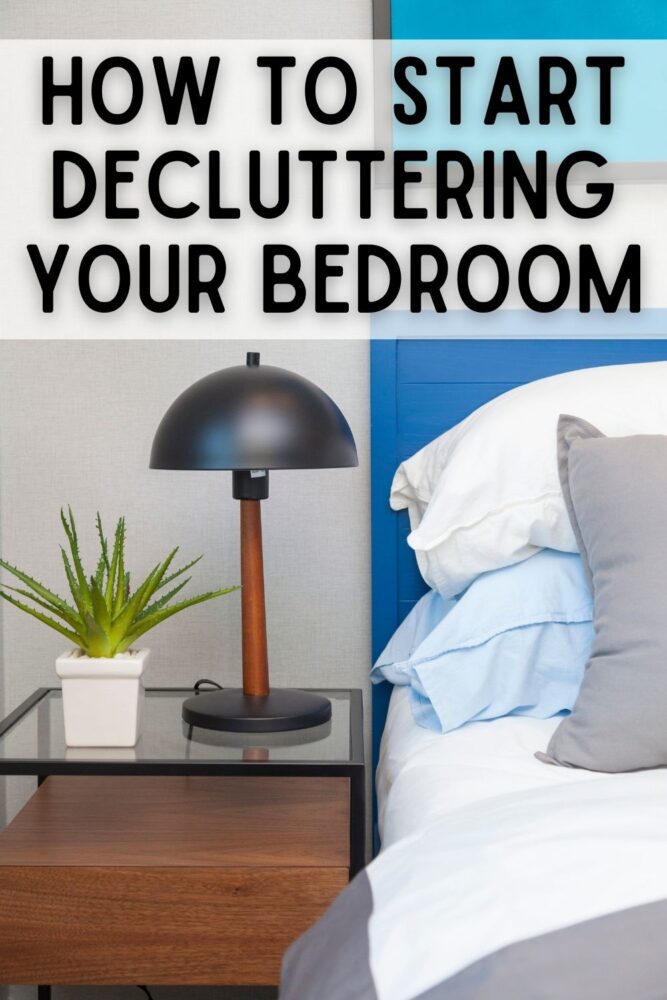
Decluttering Your Mind, Decluttering Your Bedroom: Starting with the Basics
Okay, so you’re thinking minimalist bedroom? Fantastic! I’ve been there, wrestled with the same anxieties about space, clutter, and the general overwhelming feeling of “too much.” My old bedroom was a disaster – a testament to years of accumulating "stuff." I felt suffocated, constantly battling a sense of chaos that bled into the rest of my life. Minimalism wasn’t some trendy lifestyle choice for me; it was a lifeline. It started with one drawer, then one shelf, and before I knew it, I was breathing easier, sleeping better, and generally feeling a whole lot calmer. It wasn’t about deprivation; it was about intentionality. The first step, and this is crucial, is ruthless decluttering. Don’t just tidy; purge. Get rid of anything you don’t actively use, love, or need. Those clothes you haven’t worn in a year? Gone. Those books gathering dust? Donate them. Those half-empty beauty products? Toss ’em. This isn’t about discarding things you cherish; it’s about identifying the items that truly add value to your life and letting go of the rest. Be honest with yourself. That chipped mug you keep "just in case"? It’s okay to let it go. The process itself is incredibly therapeutic. You’ll find a sense of liberation in releasing the weight of unnecessary possessions. And remember, this isn’t a one-time event; it’s an ongoing practice. Regularly decluttering will prevent that overwhelming feeling from creeping back in. Think of it as a form of self-care, a way to create space—both physically and mentally. Minimalism isn’t about being austere; it’s about making conscious choices about what you bring into your space and your life.
The Power of a Neutral Palette: Color and Calm
Once you’ve conquered the clutter, it’s time to think about color. Minimalist bedrooms aren’t about stark white walls and sterile environments; they’re about creating a sanctuary of calm. A neutral palette is your best friend here. Think soft whites, creams, greys, and muted earth tones. These colors create a sense of spaciousness and tranquility, allowing you to relax and unwind after a long day. Don’t be afraid to incorporate one or two accent colors, but keep them subtle and carefully chosen. A splash of muted blue, a soft green, or a warm terracotta can add personality without overwhelming the space. The key is balance; too many colors can create visual noise and disrupt the peaceful atmosphere you’re trying to achieve. I’ve learned that less is definitely more when it comes to color in a minimalist bedroom. My old bedroom was a chaotic explosion of clashing colors, and it made me feel restless and agitated. Switching to a neutral palette with just a few carefully chosen accents was transformative. The change was immediate; the room felt calmer, larger, and more inviting. It’s amazing how much impact a simple color change can have on your overall mood and well-being. Experiment with different shades and textures to find what resonates with you, but always prioritize simplicity and harmony. Remember, the goal is to create a space that promotes relaxation and rejuvenation, not visual stimulation.
Furniture: Form and Function in Perfect Harmony
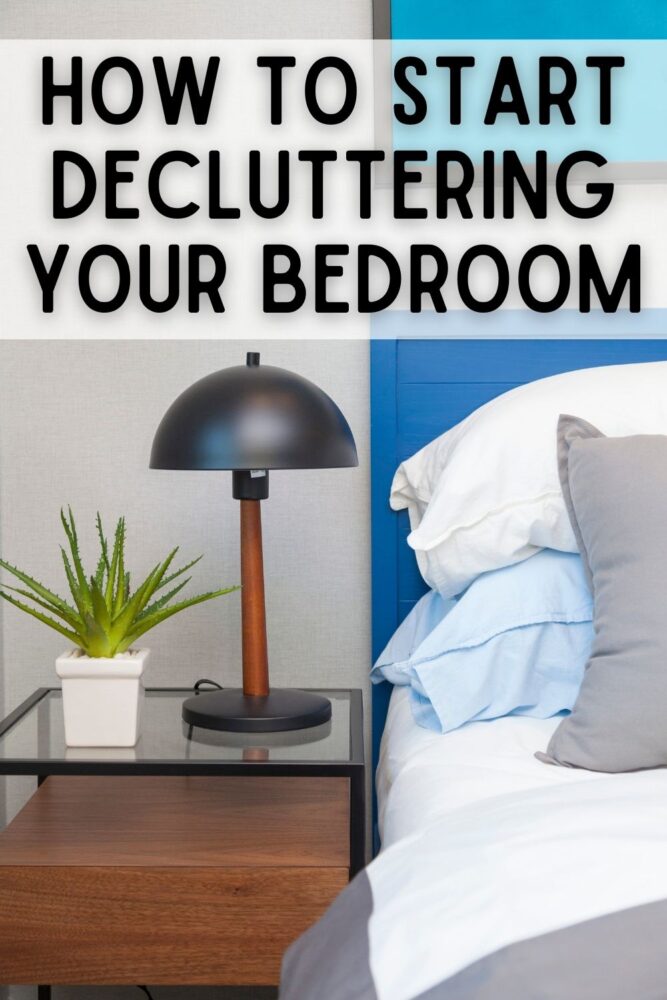
Minimalist bedroom decor isn’t about stripping your room bare; it’s about choosing furniture that serves a purpose and enhances the overall aesthetic. Focus on quality over quantity. Invest in a few key pieces that are both functional and beautiful. A comfortable bed is paramount – it’s the centerpiece of your bedroom, after all. Choose a bed frame that complements your overall style, but prioritize comfort. A simple, sturdy frame in a neutral color is usually the best option. Consider the mattress carefully; a good mattress is an investment in your sleep quality, and good sleep is crucial for overall well-being. Next, think about storage. Minimalism is all about keeping things organized, so choose storage solutions that are both functional and aesthetically pleasing. A simple dresser or wardrobe with clean lines is ideal. Avoid bulky, ornate furniture; keep it sleek and streamlined. A bedside table is a must-have for holding a lamp, a book, and other essentials. Again, keep it simple and functional. Avoid overcrowding your bedroom with unnecessary furniture. Every piece should have a purpose and contribute to the overall sense of calm and order. I used to have a cluttered bedroom with mismatched furniture, and it was a constant source of stress. By simplifying my furniture choices, I created a more peaceful and relaxing environment. It’s amazing how much more spacious and calming a bedroom can feel when you focus on quality over quantity.
Textiles: Adding Texture and Warmth Responsibly
While minimalism emphasizes simplicity, it doesn’t mean your bedroom has to be cold and impersonal. Textiles are a great way to add warmth, texture, and personality to your space without overwhelming it. Think about incorporating a cozy throw blanket at the foot of your bed, or some soft cushions in muted tones. These additions can add a sense of comfort and visual interest without cluttering the room. Choose natural fabrics like linen, cotton, or wool; they’re not only comfortable but also environmentally friendly. The texture of these fabrics adds depth and visual interest to the overall design. Avoid overly patterned or brightly colored textiles; stick to neutral colors or subtle patterns. Remember, the goal is to create a sense of calm and serenity, not visual chaos. I’ve found that a simple, high-quality throw blanket in a neutral color can make a huge difference in the overall feel of my bedroom. It adds a touch of warmth and comfort without cluttering the space. Consider the texture and feel of the textiles you choose; they should feel luxurious and inviting. A well-chosen throw blanket or a set of soft cushions can transform a minimalist bedroom from stark to inviting. The key is to select textiles that complement your overall color scheme and add a touch of warmth and personality without detracting from the overall minimalist aesthetic.
Lighting: Setting the Mood
Lighting plays a crucial role in creating the right atmosphere in your minimalist bedroom. Avoid harsh overhead lighting; instead, opt for softer, more ambient lighting. A bedside lamp is essential for reading in bed, and a floor lamp can provide additional ambient lighting. Consider using dimmer switches to control the intensity of your lighting and create different moods. Natural light is also important; make sure your bedroom gets plenty of sunlight during the day. Open your curtains or blinds to let the natural light flood in. If you don’t have much natural light, consider adding a mirror to reflect the existing light and make the room feel brighter. I used to have a single, harsh overhead light in my bedroom, and it made the space feel cold and uninviting. Switching to softer, more ambient lighting completely transformed the room. It feels much warmer, more relaxing, and more inviting. Experiment with different types of lighting to find what works best for you. The right lighting can set the mood for relaxation and sleep, making your bedroom a true sanctuary. Don’t underestimate the power of lighting to enhance the overall ambiance of your minimalist bedroom.
Personal Touches: Adding Meaningful Accents
While minimalism is about simplicity, it doesn’t mean your bedroom has to be devoid of personality. Incorporate a few meaningful personal touches that reflect your style and interests. A piece of art that you love, a favorite plant, or a cherished family photograph can add a touch of warmth and individuality without cluttering the space. Choose items that are meaningful to you and that spark joy. Avoid adding too many personal items; remember, the goal is to maintain a sense of calm and order. A single, carefully chosen piece of art can make a much bigger impact than a collection of random knick-knacks. I’ve found that a few well-chosen personal touches can make a minimalist bedroom feel much more inviting and lived-in. It’s about adding meaning and personality without sacrificing the overall simplicity and serenity of the space. Remember, it’s about curating your possessions, choosing items that resonate with you and add to the overall atmosphere you’re trying to create. It’s not about deprivation; it’s about intentionality. It’s about surrounding yourself with things that bring you joy and contribute to a peaceful and relaxing environment. So, take your time, curate your space, and create a minimalist bedroom that truly reflects you.