
Decluttering: The Foundation of Minimalist Living
Let’s be honest, the word "minimalist" can feel a little intimidating. It conjures images of stark white rooms with nothing but a single plant and a perfectly folded blanket. But that’s not really what minimalist living is all about. It’s about intentionality, about surrounding yourself only with things that bring you joy and serve a purpose. And the very first step on that journey? Decluttering. It’s not just about throwing stuff away; it’s a deeply personal process of evaluating what you own and why. I remember tackling my own clutter – it was overwhelming at first, a mountain of "someday" projects and forgotten gifts. I started small, focusing on one drawer, one shelf, one cupboard at a time. Don’t try to tackle everything at once; that’s a recipe for burnout. Instead, pick a small area and commit to clearing it out completely. You’ll be surprised at how liberating even a small victory can feel. This initial decluttering isn’t just about making space; it’s about creating mental space too. The less visual clutter you have, the less mental clutter you’ll experience. Think about it – every item you own demands a tiny bit of your attention, a small piece of your brainpower to register and process. By removing unnecessary items, you’re freeing up mental energy to focus on what truly matters. As you go through your belongings, ask yourself some key questions. Does this item bring me joy? Does it serve a practical purpose? If the answer is no to both, it’s probably time to let it go. Don’t get bogged down in sentimental attachments; you can always take photos of cherished items to preserve the memories without keeping the physical object. Remember, decluttering isn’t about getting rid of everything; it’s about curating a collection of items that genuinely enhance your life. And trust me, the feeling of a clean, organized space is incredibly rewarding. It’s a feeling of calm, of control, of being in charge of your environment. It’s a subtle but powerful shift in perspective, a shift that permeates every aspect of your life. The process is gradual, a journey of self-discovery as much as a home renovation. Don’t be discouraged by setbacks. Sometimes you’ll find yourself accumulating things again, and that’s okay. The important thing is to keep practicing the art of letting go, of consciously choosing what you bring into your home. It’s a mindful process, and like any mindful practice, it takes time and patience.
Choosing a Color Palette: Less is More
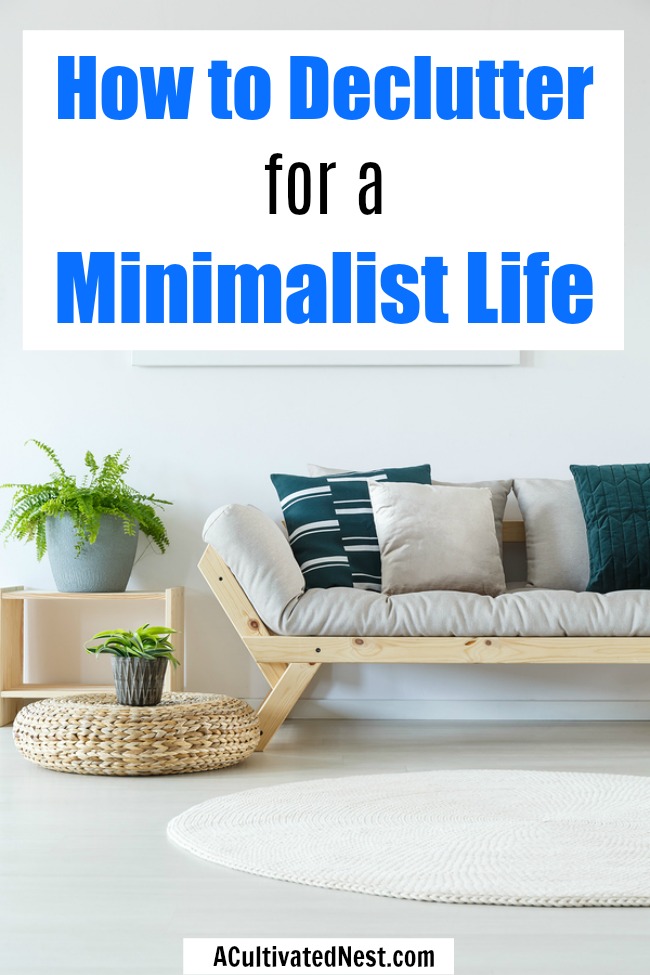
Once you’ve decluttered, the next step is to think about your color palette. Minimalism isn’t just about the absence of things; it’s about the intentional presence of carefully chosen elements. A minimalist color scheme typically involves a neutral base with one or two accent colors. Think creamy whites, soft greys, or warm beiges for your walls and larger furniture pieces. These neutral tones create a sense of calm and spaciousness, allowing your accent colors to truly pop. I find that sticking to a limited palette makes decorating so much easier. It eliminates decision fatigue and creates a sense of cohesiveness throughout your home. Instead of getting overwhelmed by endless options, you can focus on the quality of the items you choose, rather than the quantity. When selecting your accent colors, consider what evokes a feeling of serenity and peace for you. Maybe it’s a soft blue reminiscent of the sky, or a warm terracotta that brings to mind sun-drenched afternoons. Whatever colors resonate with you, use them sparingly. A bold accent wall, a few carefully placed cushions, or some artwork featuring those colors can add personality and visual interest without overwhelming the space. Remember, the goal isn’t to create a sterile environment; it’s to create a space that feels intentional and calming. Think about the textures you incorporate as well. A soft, fluffy rug can add warmth and comfort to a minimalist space, while a sleek, wooden coffee table can add a touch of sophistication. The key is balance – combining different textures and materials to create a visually interesting, yet uncluttered space. Avoid busy patterns and overly decorative items. Simple, clean lines and solid colors are your best friends in a minimalist home. Don’t be afraid to experiment and find what works best for you. There’s no one-size-fits-all approach to minimalist design; the most important thing is to create a space that reflects your personal style and brings you a sense of peace and tranquility. This is about creating a sanctuary, a haven where you can relax and recharge. And that’s far more valuable than any fleeting design trend. The process of selecting your colors and textures is a personal journey of discovery. It’s about finding the shades and surfaces that speak to your soul and create a harmonious atmosphere in your home.
Furniture: Quality Over Quantity
Minimalist design isn’t about sacrificing comfort or style; it’s about choosing quality over quantity. Instead of filling your space with lots of inexpensive furniture, invest in a few well-made pieces that will last. Think carefully about the functionality of each piece. Does it serve a purpose? Does it add to the overall aesthetic of the room? If the answer is no, it might be time to let it go, even if it’s a beautiful piece. I remember agonizing over a gorgeous but ultimately impractical armchair that took up valuable space in my living room. Once I let it go, the room felt instantly larger and more open. This is the beauty of minimalism – it’s not about deprivation, it’s about making conscious choices that optimize both space and style. When choosing furniture, focus on clean lines and simple designs. Avoid overly ornate pieces or those with lots of fussy details. Multifunctional furniture is your friend here. A sofa bed can serve as both seating and a guest bed, while a coffee table with storage can keep clutter at bay. Think about the materials you choose as well. Natural materials like wood and linen create a warm and inviting atmosphere, while sleek metals can add a modern touch. Avoid anything too flashy or distracting. The furniture should complement the overall aesthetic of your space without competing for attention. The goal is to create a sense of harmony and balance. Consider the scale of your furniture as well. Oversized furniture can make a room feel cramped, while undersized furniture can make it feel empty. Choose pieces that are proportionate to the size of the room. Remember, less is more. A few well-chosen pieces can create a far more impactful and stylish space than a room cluttered with unnecessary furniture. This thoughtful approach to furnishing your home reflects a conscious effort to create a space that is both beautiful and functional. It’s about curating a collection of furniture that not only serves a purpose but also enhances your well-being.
Lighting and Accessories: The Finishing Touches
Once you’ve decluttered and chosen your furniture, it’s time to focus on the finishing touches – lighting and accessories. Lighting is crucial in creating the right atmosphere. Natural light is always best, so make sure to maximize it by keeping windows unobstructed. Layer your lighting with a combination of ambient, task, and accent lighting. Ambient lighting provides overall illumination, task lighting illuminates specific areas (like a reading nook), and accent lighting highlights focal points (like a piece of art). Think about the type of bulbs you use. Warm-toned bulbs create a cozy and inviting atmosphere, while cool-toned bulbs feel more modern and crisp. Choose the tone that best suits your personal style and the mood you want to create. Accessories should be minimal and carefully chosen. A few well-placed items can add personality and visual interest without overwhelming the space. Think about the textures and materials you incorporate. A soft, fluffy rug can add warmth and comfort, while a sleek, wooden bowl can add a touch of sophistication. Avoid anything too busy or distracting. Remember, the goal is to create a sense of calm and serenity. When choosing accessories, consider their functionality as well. A beautiful vase can hold flowers, while a stylish tray can keep your coffee table organized. Avoid purely decorative items that don’t serve a purpose. Keep the number of accessories to a minimum. A few carefully chosen items can be far more impactful than a room cluttered with unnecessary knick-knacks. The process of selecting lighting and accessories is a personal journey of discovery, a chance to infuse your minimalist space with your unique personality and style. It’s about creating a space that is both functional and aesthetically pleasing, a haven that reflects your inner peace and inspires your creativity. The right lighting and a few carefully chosen accessories can transform a minimalist space from merely functional to truly inviting and soul-satisfying. It’s the subtle details that make all the difference. It’s about finding the balance between simplicity and personality, between functionality and beauty. And that’s the essence of minimalist living.