Cozy Minimal: Finding Peace in a Cluttered World
Are you drowning in stuff? Feeling overwhelmed by possessions that promise happiness but deliver only anxiety? The pursuit of "more" has left many feeling empty, yearning for something simpler, something… cozy minimal. This isn’t just a fleeting design trend; it’s a quiet rebellion against consumerism, a conscious choice for a more intentional life.
The concept of "cozy minimal" blends two seemingly opposing ideas: the warmth and comfort of "cozy" with the streamlined simplicity of "minimalism." It’s about curating a space – and a life – that feels both inviting and unburdened. Think Scandinavian hygge meets Japanese wabi-sabi – a mindful approach to living that prioritizes quality over quantity, experience over acquisition. Historically, minimalist ideals have roots in various philosophies, from ancient Stoicism, which emphasized inner peace over material possessions, to the Bauhaus movement’s focus on functional design. However, the modern interpretation of cozy minimal infuses this austerity with a sense of warmth and personality, rejecting the sterile aesthetic sometimes associated with minimalism.
Consider the stark contrast between the overflowing homes depicted in reality TV shows about hoarding and the serene, carefully curated spaces showcased in design magazines championing the cozy minimal aesthetic. The former represents a culture of excess, where possessions become a burden rather than a source of joy. The latter, however, suggests a different path – one where intentionality reigns supreme. This isn’t about deprivation; it’s about discerning what truly adds value to our lives.
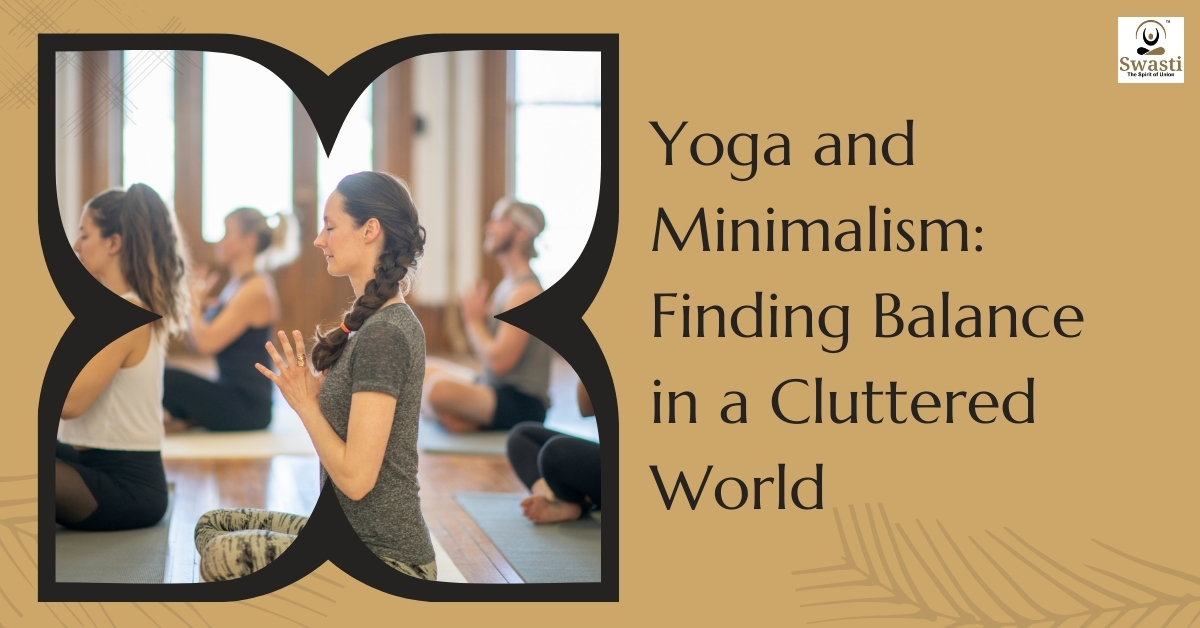
But the shift towards cozy minimal isn’t without its challenges. Our consumerist society constantly bombards us with messages urging us to buy more, upgrade constantly, and chase the elusive promise of happiness through material possessions. This relentless pressure contributes to a cycle of anxiety and dissatisfaction, documented extensively in studies on consumer behavior (e.g., research by Juliet Schor on "The Overspent American"). The problem isn’t simply about clutter; it’s about a deeper societal issue of unsustainable consumption and the resulting emotional toll.
So, how do we navigate this? Embracing cozy minimal offers a viable path forward. It involves a conscious decluttering process, not just of physical belongings but also of mental and emotional clutter. This might involve practices like mindful consumption, supporting sustainable and ethical brands, and prioritizing experiences over material objects. Consider the impact of choosing a weekend hike over shopping spree – the lasting memories versus the fleeting satisfaction of a new purchase.
The future of cozy minimal will likely involve further integration with technology. Smart home systems can help automate tasks, reducing the mental load associated with home maintenance. Digital decluttering – unsubscribing from unwanted emails, deleting unused apps – will become increasingly important. However, the core principle remains: intentional living. The challenge lies in maintaining this mindful approach in a world constantly pushing us towards excess. Will we continue to be swept away by the tide of consumerism, or will we actively choose the calmer waters of cozy minimal, creating lives rich in meaning and devoid of unnecessary clutter? The choice, ultimately, is ours.