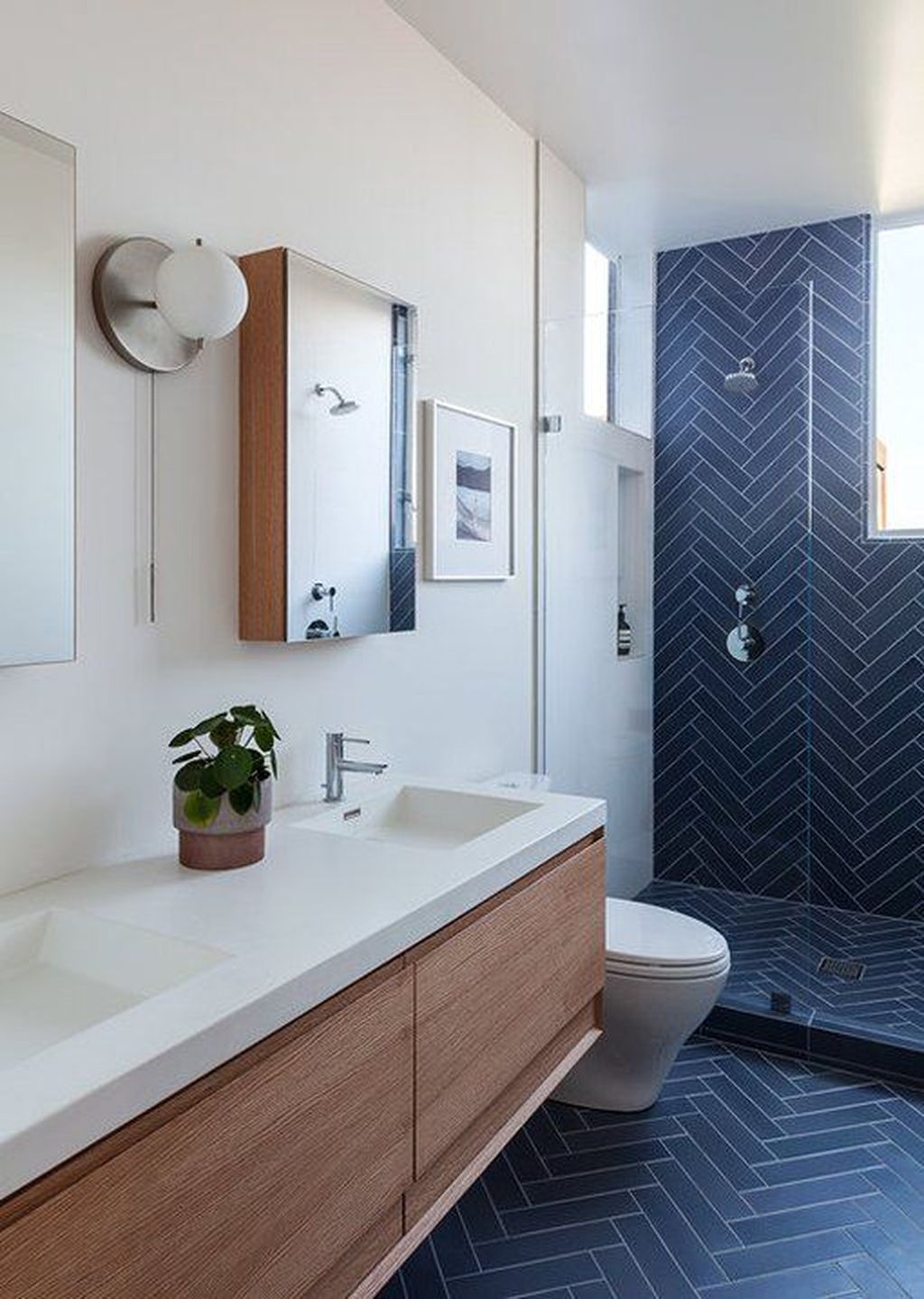
Choosing the Right Tile: A Journey Through Bathroom Floor Options
So, you’re tackling a bathroom remodel, huh? Good for you! It’s a rewarding project, but let’s be honest, choosing bathroom floor tiles can feel overwhelming. There’s a dizzying array of options, from sleek porcelain to rustic terracotta, each promising a different vibe and level of practicality. I’ve been through this myself, multiple times, and learned a few things along the way. First, forget those glossy magazine spreads showing perfect, pristine bathrooms. Real life involves splashes, spills, and the occasional dropped shampoo bottle. Your tile choice needs to stand up to that reality. Think about your lifestyle – are you a minimalist who appreciates clean lines, or do you prefer a more eclectic, textured look? Consider the size of your bathroom too; larger tiles can make a small space feel cramped, while smaller tiles might get lost in a large one. Remember the overall aesthetic you’re aiming for. A modern bathroom might suit a large, neutral-toned porcelain tile, whereas a vintage-inspired space might call for patterned cement tiles. The initial decision might seem daunting, but breaking it down into smaller considerations makes it manageable. And don’t forget to factor in your budget. Prices vary wildly depending on material, size, and where you buy them. Do your research, compare prices, and don’t be afraid to haggle a little! It’s all part of the fun, or at least, the less stressful part of the renovation. This initial stage of selection sets the tone for the whole project, so take your time, breathe, and enjoy the process. You’ll get there.
One of the biggest considerations, beyond aesthetics, is the material itself. Porcelain is a popular choice for its durability and water resistance. It’s incredibly hard-wearing, able to withstand heavy foot traffic and the occasional dropped object without chipping or cracking. Plus, it comes in a vast range of colours, patterns, and finishes, so you’re sure to find something that suits your style. Ceramic tiles are another strong contender, often more budget-friendly than porcelain, but perhaps slightly less durable. However, advancements in ceramic tile technology mean many modern ceramic tiles offer excellent water resistance and longevity. Natural stone, like marble or slate, adds a touch of luxury and elegance, but comes with a higher price tag and requires more maintenance. It’s beautiful, yes, but it’s more prone to staining and scratching than porcelain or ceramic. And let’s not forget the maintenance aspect; natural stone often needs sealing to protect it from water damage and staining. Then there’s the question of size and shape. Large format tiles create a sleek, modern look, minimizing grout lines and making the room appear larger. However, they can be more challenging to install, particularly in smaller bathrooms with awkward corners. Smaller tiles, on the other hand, offer more flexibility and can add visual interest with intricate patterns or mosaics. Think about the overall impact you want to achieve. Do you want a minimalist, expansive feel or a more intricate, detailed look? Your choice of tile size directly impacts this. The right tile choice isn’t just about aesthetics; it’s about finding the perfect balance between style, durability, and practicality. It’s about finding a tile that will stand the test of time and the occasional clumsy mishap.
Let’s delve a bit deeper into the practical aspects of tile selection. Beyond the material itself, you need to consider the tile’s finish. A matte finish is less likely to show water spots and fingerprints, making it a practical choice for busy bathrooms. However, a glossy finish can add a touch of elegance and make the space feel brighter. It’s all about finding the right balance. Then there’s the issue of grout. Grout is the mortar that holds your tiles together, and it’s crucial to choose a grout that’s waterproof and easy to clean. Epoxy grout is a popular option, as it’s highly resistant to stains and moisture. However, it’s more expensive and requires a bit more skill to apply. Cement grout is a more affordable alternative, but it’s more porous and requires regular sealing to prevent water damage and staining. Consider the colour of your grout too; a contrasting grout can add visual interest, while a grout that matches your tiles creates a more seamless look. And don’t underestimate the importance of proper installation. A poorly installed tile floor can lead to cracking, shifting, and even water damage. Invest in a qualified tile installer who can ensure your new floor is installed correctly and will last for years to come. Remember, the cost of a professional installation is a small price to pay for a beautiful, long-lasting bathroom floor. Don’t skimp on this crucial step. It’s a long-term investment in your home’s value and your peace of mind.

Laying the Tile: A Step-by-Step Guide (Almost)
Now, the fun part (or maybe the slightly less fun part, depending on your DIY skills). Actually laying the tile. If you’re a seasoned DIYer, you might be feeling confident. If you’re not, hiring a professional is always an option. I’ve done it both ways, and let me tell you, there’s a certain satisfaction in seeing your handiwork come to fruition. But there’s also a certain satisfaction in knowing you didn’t have to do it yourself! The first step, regardless of whether you’re DIYing or hiring help, is preparation. This involves ensuring the subfloor is level and clean. Any unevenness in the subfloor will show up in the finished tile floor, leading to cracks and unevenness. Use a self-leveling compound to address any imperfections. This is crucial for a long-lasting, beautiful result. Next, you’ll need to lay out your tiles, making sure you have enough to cover the entire floor area, accounting for cuts and waste. It’s always a good idea to buy a few extra tiles in case of breakage or damage during installation. This is a detail often overlooked, but it saves a lot of headaches later. You wouldn’t believe how many times I’ve had to scramble to find matching tiles after a mishap! Once the subfloor is prepped and the tiles are laid out, you can start the actual installation. This involves spreading thin-set mortar onto the subfloor and carefully setting the tiles in place. Use spacers to ensure even grout lines. This is where patience is key. Take your time, and don’t rush the process. A rushed job will show, and it won’t be pretty. Remember, you’re aiming for a beautiful, long-lasting floor.
The process of tiling itself is meticulous, requiring patience and attention to detail. I’ve learned this the hard way – a slightly uneven tile can throw off the entire aesthetic. Proper spacing is also crucial; inconsistent grout lines look unprofessional. Those little plastic spacers are your best friends here. Don’t skimp on them! After the tiles are set, you’ll need to let the mortar cure completely before grouting. The curing time will vary depending on the type of mortar you use, so be sure to check the manufacturer’s instructions. Grouting is another crucial step that often gets overlooked. Using the correct grout, applying it evenly, and cleaning up excess grout promptly are all essential for a professional-looking finish. A poorly grouted floor can lead to cracks, water damage, and a generally unsightly appearance. The right grout can enhance the overall look of your tiling job, while the wrong grout can ruin it. Think of it as the finishing touch, the jewelry that brings the whole outfit together. It’s that important. Once the grout is cured, you can seal it to protect it from water damage and staining. This is especially important in bathrooms, where moisture is prevalent. Sealing your grout will extend its lifespan and keep your bathroom looking its best for years to come. It’s an extra step, but a worthwhile one.
And finally, the finishing touches. Once the grout is sealed, you can clean the tiles thoroughly to remove any excess grout or mortar. A clean tile floor is a happy tile floor. It’s also a matter of pride. After all this effort, you want to be able to appreciate the beauty of your new floor. Consider the accessories too. A new shower curtain, some stylish towels, or even a new rug can complete the look. Don’t forget the little details that can elevate the overall aesthetic. It’s the small things that make a big difference. A new bathroom floor is a significant investment, both financially and emotionally. It’s a project that transforms a space, adding value to your home and creating a personal sanctuary. So take your time, enjoy the process, and don’t be afraid to ask for help if you need it. Whether you’re a seasoned DIYer or prefer to hire a professional, the result will be a beautiful, functional, and long-lasting bathroom floor that you’ll enjoy for years to come. It’s a project that’s both rewarding and transformative, a testament to your effort and a beautiful addition to your home. And remember, the journey itself is as important as the destination. So take your time, enjoy the process, and celebrate your accomplishment when it’s all done. You earned it!
Maintaining Your Tile Masterpiece: A Guide to Longevity
So, you’ve successfully navigated the treacherous waters of bathroom tile selection and installation. Congratulations! You now have a beautiful new floor that’s not only aesthetically pleasing but also durable and functional. But the journey doesn’t end there. Maintaining your new tile floor is crucial to ensuring its longevity and beauty. Regular cleaning is key. Sweep or vacuum the floor regularly to remove dust, dirt, and debris. For everyday cleaning, a simple solution of warm water and mild detergent is usually sufficient. Avoid harsh chemicals, abrasive cleaners, and scouring pads, as these can damage the tile and grout. These seemingly small acts of maintenance will go a long way in preserving your investment. It’s a small price to pay for a bathroom that looks its best. I’ve seen firsthand how neglect can quickly undo all the hard work and expense of a renovation.
Dealing with spills and stains promptly is also important. The faster you clean up a spill, the less likely it is to stain the tile or grout. For tougher stains, you may need to use a specialized tile cleaner. Always test any cleaning solution on a small, inconspicuous area first to ensure it doesn’t damage the tile. This is a crucial step often overlooked, but it can save you from a costly mistake. Remember, prevention is always better than cure. Regular cleaning and prompt stain removal will prevent the build-up of dirt and grime, keeping your bathroom floor looking its best. And it’s not just about aesthetics; it’s about hygiene too. A clean bathroom floor is a healthier bathroom floor. It’s a matter of both pride and health.
Beyond regular cleaning, periodic sealing of the grout is essential, particularly in bathrooms where moisture is prevalent. Unsealed grout is more susceptible to staining and water damage. Regular sealing helps to protect the grout and extend its lifespan. How often you need to seal the grout will depend on the type of grout you used and the level of traffic in your bathroom. However, it’s generally recommended to seal the grout every one to two years. It’s a small investment that will protect your grout and keep your bathroom looking its best. Think of it as insurance for your beautiful new floor. It’s a preventative measure that saves you from bigger problems down the line. And remember, a well-maintained bathroom is a happy bathroom. It’s a reflection of your commitment to your home and your well-being. It’s a sanctuary, a place of peace and tranquility, and it deserves to be treated with care.